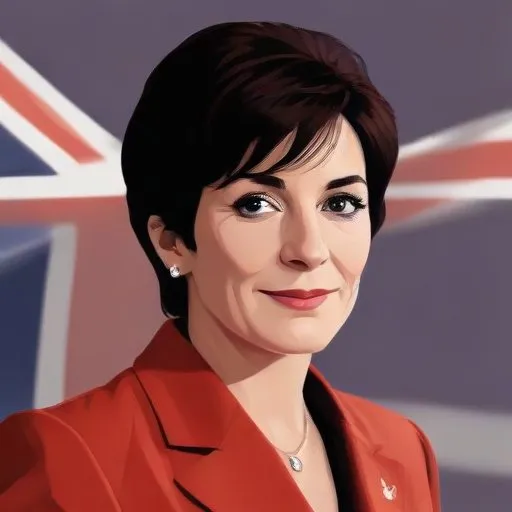
Diane James: The Politician Who Shook the Foundations of UK Politics
A Leader of Contention
Diane James is a British politician who made headlines in 2016 when she became the leader-elect of the UK Independence Party (UKIP), only to resign 18 days later. This brief yet tumultuous tenure sparked both ridicule and admiration, cementing her position as a controversial figure in British politics.
Early Life and Career
Born on November 20, 1959, in Bedford, England, Diane James grew up in a family where her father was an engineer and her mother a housewife. She was educated at Rochester Grammar School in Kent and later at Thames Valley University in Slough. Before entering politics, James spent three decades working in the health industry, establishing her own international consultancy firm. She is fluent in both French and German.
Political Rise
James's political career began as an Independent councillor on Waverley Borough Council, representing Ewhurst ward, from 2007 to 2015. She later joined UKIP and stood as the party's candidate in the 2015 local elections, losing her seat. However, she continued to rise through the ranks, becoming one of three UKIP MEPs for South East England in 2014.
Leader-Elect and Resignation
Following
Nigel Farage's resignation as UKIP leader, James was elected as his successor in September 2016. However, she resigned from the leadership just 18 days later, citing personal and professional reasons. This brief tenure sparked widespread criticism and ridicule, with many questioning her ability to lead the party.
Post-UKIP Career
After resigning as UKIP leader, James announced that she would sit as an Independent in the European Parliament. She later joined the Brexit Party in 2019, further solidifying her position as a pro-Brexit advocate.
Philosophical Contributions and Beliefs
Throughout her political career, James has been a vocal advocate for Euroscepticism and reducing immigration. Her views on Brexit have been shaped by her experiences as an MEP and her concerns about the impact of EU membership on British sovereignty.
Influence on Modern Society
James's brief tenure as UKIP leader had a significant impact on British politics, highlighting the divisions within the party and the challenges of navigating the complexities of Brexit. Her resignation also sparked a broader conversation about the role of women in politics and the challenges they face in leadership positions.
Personal Milestones and Key Life Events
- 1959: Born in Bedford, England
- 2007: Elected as an Independent councillor on Waverley Borough Council
- 2011: Joined UKIP
- 2014: Elected as a UKIP MEP for South East England
- 2016: Elected as UKIP leader-elect, then resigned 18 days later
- 2019: Joined the Brexit Party
Legacy
Diane James's tumultuous political career has left an indelible mark on British politics. While her brief tenure as UKIP leader was marked by controversy, it also highlighted the complexities and challenges of navigating the treacherous landscape of British politics. As a pro-Brexit advocate and Eurosceptic, James's views continue to shape the political discourse in the UK.
FAQ
What is Diane James political career?
Diane James is a British politician who served as the leader of the UK Independence Party (UKIP) from 2016 to 2017 and was a Member of the European Parliament (MEP) from 2014 to 2019.
What is Diane James early life and education?
Diane James was born in Bedfordshire and studied at the University of Bedfordshire, later working in the private sector and as a business consultant.
What is Diane James stance on Brexit?
Diane James is a strong supporter of Brexit, advocating for the UKs withdrawal from the European Union and campaigning for a more sovereign Britain.
What is Diane James leadership style?
Diane James is known for her strong leadership and negotiation skills, which she demonstrated during her time as UKIP leader and MEP.
What is Diane James legacy in British politics?
Diane James is remembered as a prominent figure in British politics, playing a key role in shaping the countrys stance on the EU and contributing to the Brexit debate.