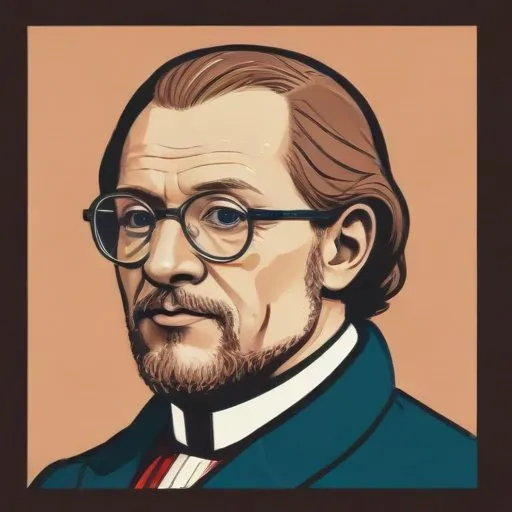
Dmitry Kabalevsky: The Soviet Maestro of Melody
A Life of Harmony and Dedication
Dmitry Kabalevsky, a renowned Soviet composer, conductor, pianist, and pedagogue, left an indelible mark on the world of classical music. He is best known for his iconic Second Symphony, the whimsical Comedians Galop from The Comedians Suite, Op. 26, and his majestic Third Piano Concerto, which have become synonymous with Soviet musical excellence.
Early Life and Influences
Born on December 17, 1904, in Saint Petersburg, Kabalevsky's early life was marked by a unique blend of mathematics and art. His father, a mathematician, encouraged his son's fascination with numbers, but Kabalevsky's true passion lay in music. He began his musical journey at the Academic Music College in Moscow, graduating in 1922, and later continued his studies with Vasily Selivanov. The Moscow Conservatory, where he honed his composition skills under the guidance of Georgy Catoire, Nikolai Myaskovsky, and Alexander Goldenweiser, played a pivotal role in shaping his artistic voice.
A Prolific Composer and Educator
By the age of 26, Kabalevsky's oeuvre already boasted an impressive array of works, including the String Quartet, Op. 8, Piano Concerto, Op. 9, Eight Children's Songs, Op. 17, and numerous solo piano pieces. His creative output continued to flourish, encompassing symphonies, concertos, operas, ballets, chamber music, songs, theatre, film scores, and pedagogical compositions for children. This versatility earned him recognition as a senior lecturer at the Moscow Conservatory in 1932 and a full-time professor by 1939. He also made significant contributions as a music critic for the All-Union Radio and as an editor for the Sovetskaya muzka and Muzgiz publishing houses.
Philosophical Contributions and Beliefs
Kabalevsky's artistic philosophy revolved around accessibility and simplicity. He believed that music should be a reflection of life, conveying emotions and ideas in a clear, uncomplicated manner. This approach led him to create works that resonated with a broad audience, transcending the boundaries of classical music and appealing to a wider public.
Controversies and Public Perception
Although Kabalevsky's music was widely acclaimed, it was not immune to criticism. Some accused him of being overly sentimental, while others questioned his allegiance to the Soviet regime. Despite these controversies, his reputation as a master composer and dedicated educator remained intact, earning him a place among the pantheon of Soviet musical legends.
Legacy and Impact
Dmitry Kabalevsky's legacy extends far beyond his death on February 14, 1987. His contributions to Soviet music, education, and culture continue to inspire generations of musicians, composers, and music lovers. As a testament to his enduring impact, his compositions remain a staple of classical music repertoire, performed and celebrated around the world.
Notable Works
- Second Symphony
- Comedians Galop from The Comedians Suite, Op. 26
- Third Piano Concerto
- String Quartet, Op. 8
- Piano Concerto, Op. 9
Inspirational Quotes
- "Music is a reflection of life, and it should be simple, clear, and understandable."
- "A composer's role is to serve the people, to create music that speaks to their hearts and souls."
Trivia and Fun Facts
- Kabalevsky was a prolific composer, with over 200 works to his credit.
- He was a dedicated educator, and his teaching legacy continues to inspire music students worldwide.
- Vladimir Horowitz, the renowned pianist, frequently performed Kabalevsky's piano works.
FAQ
What genre of music did Dmitry Kabalevsky primarily compose?
Dmitry Kabalevsky was a prolific Russian composer who primarily composed classical music, with a focus on opera, ballet, and orchestral works.
What is Dmitry Kabalevskys most famous composition?
Dmitry Kabalevskys most famous composition is the Colas Breugnon Overture, a lively and energetic piece that has become a staple of classical music repertoire.
How did Dmitry Kabalevsky contribute to music education?
Apart from his compositional work, Dmitry Kabalevsky was also a dedicated music educator. He wrote several books on music theory and pedagogy, and taught at the Moscow Conservatory for many years.
What awards did Dmitry Kabalevsky receive for his compositions?
Dmitry Kabalevsky received numerous awards and honors for his compositions, including the Stalin Prize in 1946 and the USSR State Prize in 1966.
What was Dmitry Kabalevskys role in the Union of Soviet Composers?
Dmitry Kabalevsky was an active member of the Union of Soviet Composers and served as its chairman from 1940 to 1941. He played a significant role in promoting Soviet music and musicians during this period.