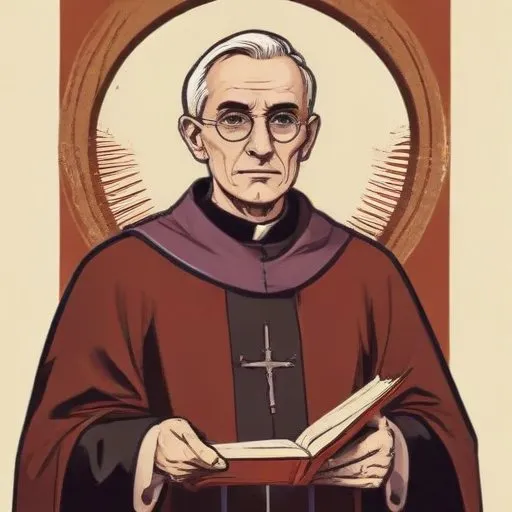
Domenico Freschi

Domenico Freschi

Domenico Freschi was born on March 26th, 1634

Full Name: Domenico Freschi
Nationality: Italian
Profession: Priest, composer
Place of Birth: Bassano del Grappa, Italy
DOB: 1634
Notable Work: Motets, masses
Instruments: Organ, harpsichord
Influences: Claudio Monteverdi

An Italian priest and composer who created sacred music, particularly oratorios and masses, during the Baroque period, leaving a mark on the development of classical music.

Written by: Isabel Sanchez Isabel Sanchez

Domenico Freschi: The Musical Maestro of Vicenza

Church Music and Opera: A Lifetime of Harmony

Domenico Freschi is renowned for his remarkable contributions to the world of music, particularly in the realms of church music and opera. As a composer and Roman Catholic priest, Freschi dedicated his life to creating beautiful, soulful melodies that resonated with audiences across Italy.

Freschi's impressive career spanned over five decades, during which he worked tirelessly as the maestro di cappella at the Cathedral of Vicenza, creating sacred music compositions that were frequently performed at the cathedral and other major churches in the region.

A Life of Devotion and Creativity

Born on March 26, 1634, in Bassano del Grappa, Freschi was ordained as a priest at a young age and began his musical journey in the city of Vicenza. His remarkable talent and dedication earned him the prestigious title of maestro di cappella at the Cathedral of Vicenza, a position he held until his death in 1710.

Freschi's creative genius extended beyond the realm of church music. He was also an accomplished opera composer, with 16 known operas to his credit. His operas premiered in prominent theatres in Venice and Villa Contarini, Piazzola sul Brenta, showcasing his versatility and mastery of the art form.

Opera Highlights

Freschi's opera repertoire includes:

A Legacy of Harmony

Freschi's contributions to the world of music are a testament to his dedication, creativity, and passion. His music continues to inspire and delight audiences, leaving behind a legacy of harmony that transcends time and space.

Through his remarkable body of work, Freschi has cemented his place in the annals of music history, ensuring that his beautiful melodies and harmonies will continue to enchant and uplift generations to come.

Timeline
1634
Born in Fano
Domenico Freschi was born in 1634 in Fano, Marche, Italy.
1659
Joined the priesthood
Freschi joined the priesthood and became a member of the Order of Friars Minor Conventual.
1674
Composed music for the court
Freschi composed music for the court of Duke Francesco I dEste in Modena, Italy.
1680
Wrote Leroica
Freschi wrote Leroica, an oratorio in two parts.
1710
Died in Modena
Freschi died on November 2, 1710, in Modena, Italy.
Domenico Freschi

Domenico Freschi Quiz

Domenico Freschi was primarily known for composing music in which genre?

Score: 0/5
FAQ
What was Domenico Freschis profession?
Domenico Freschi was an Italian priest and composer who was active in the 16th and 17th centuries.
What is Domenico Freschis most famous work?
Domenico Freschis most famous work is his collection of motets, which are considered some of the finest examples of Renaissance sacred music.
How did Domenico Freschi contribute to the development of music?
Domenico Freschi contributed to the development of music through his work as a composer and his service as a priest, during which he wrote music for the liturgy.
What was Domenico Freschis role in the Catholic Church?
Domenico Freschi served as a priest in the Catholic Church and was a member of the Oratory of St. Philip Neri, a religious order dedicated to the promotion of Catholic reform.
What was Domenico Freschis legacy?
Domenico Freschis legacy is that of a dedicated priest and composer who made significant contributions to the development of Renaissance sacred music.

Related People:

Wolfgang Amadeus Mozart

Born in 1756

A child prodigy and master of classical music, he composed over 600 works, including symphonies, operas, and chamber music, that continue to inspire and influence musicians today.

Ludwig van Beethoven

Born in 1770

A musical genius who expanded the possibilities of classical music, creating iconic symphonies and piano sonatas that continue to inspire and influence generations of artists.

Franz Schubert

Born in 1797

A renowned composer of symphonies, operas, and chamber music, particularly famous for his emotional and expressive lieder (art songs) that showcased his mastery of melody and harmony.

Gioachino Rossini

Born in 1792

Operatic mastermind behind iconic comedies like "The Barber of Seville" and "William Tell," crafting catchy, witty, and playful music that still delights audiences today.

Antonio Vivaldi

Born in 1678

A virtuosic violinist and prolific composer, he crafted over 400 concertos, including "The Four Seasons," which remains a beloved and iconic masterpiece of classical music.

Johann Sebastian Bach

Born in 1685

A master of Baroque music, he composed over 1,000 works, including orchestral suites, cantatas, and passions, that still inspire and influence musicians today. His innovative use of counterpoint and harmony raised the bar for classical music.

George Frideric Handel

Born in 1685

A renowned Baroque composer and organist, famous for creating majestic orchestral suites, operas, and oratorios, including the iconic "Messiah" masterpiece.

Niccolò Paganini

Born in 1782

A virtuosic violinist and composer who revolutionized the instrument's technical possibilities, leaving an indelible mark on classical music.