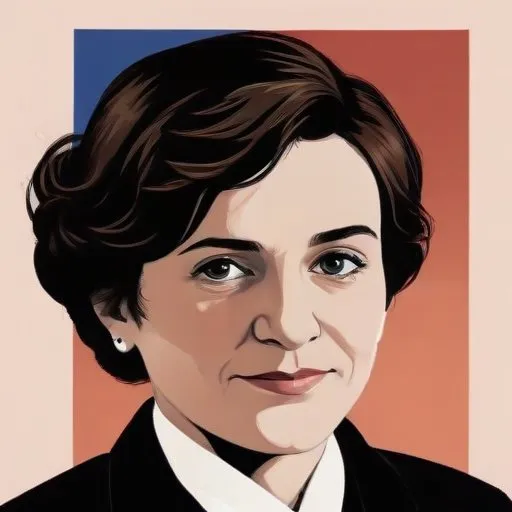
Dominique Venner: A Historian's Turbulent Life and Controversial Legacy
A Life Dedicated to History and Nationalism
Dominique Venner, a French historian, journalist, and essayist, left an indelible mark on the world of historical scholarship, albeit tinged with controversy. He is best known for his contributions to the field of military and political history, as well as his role as the editor of the esteemed La Nouvelle Revue d'Histoire.
Early Life and Radicalization
Born on April 16, 1935, Venner's formative years were shaped by his family's political inclinations. His father, an architect, was a member of the Parti populaire français (PPF), a far-right party. This early exposure to nationalist ideology would later influence Venner's beliefs and actions. During the Algerian War, Venner volunteered to fight, serving until October 1956. Upon his return to France, he joined the Jeune Nation movement, solidifying his commitment to nationalist and far-right ideologies.
A Turbulent Career: From Activism to Academia
Venner's early career was marked by activism and involvement with various nationalist groups. He participated in the ransacking of the French Communist Party office in 1956 and helped found the short-lived Parti Nationaliste. As a member of the Organisation armée secrète, he was jailed for 18 months in La Sant Prison as a political undesirable. Released in 1962, Venner redirected his focus towards historical research and writing. He would go on to become a renowned historian, specializing in military and political history.
The Controversial Editor of La Nouvelle Revue d'Histoire
At the time of his death, Venner was the editor of La Nouvelle Revue d'Histoire, a respected bimonthly history magazine. His editorial tenure was marked by controversy, with some critics accusing him of promoting far-right and nationalist ideologies through his publications.
A Final Protest: The Notorious Notre Dame Suicide
On May 21, 2013, Venner shocked the world by taking his own life inside the Cathedral of Notre Dame de Paris. His suicide was a protest against the recent legalization of same-sex marriage in France, which he believed would lead to a "white genocide." In a suicide note, he expressed his desire to defend traditional family values and combat illegal immigration.
A Legacy Marred by Controversy
Venner's legacy is marked by contradictions. While his contributions to historical scholarship are undeniable, his far-right and nationalist beliefs have drawn criticism and controversy. The leader of the far-right National Front,
Marine Le Pen, described his suicide as the act of a "broken man desperately seeking to reawaken his countrymen."
Personal Milestones and Key Life Events
- April 16, 1935: Born in France
- 1956: Volunteered to fight in the Algerian War
- 1956: Participated in the ransacking of the French Communist Party office
- 1962: Released from La Sant Prison after 18-month imprisonment
- 1970s-1980s: Shifted focus towards historical research and writing
- 2013: Became editor of La Nouvelle Revue d'Histoire
- May 21, 2013: Took his own life in protest of same-sex marriage legalization
A Complex Figure: Understanding Venner's Impact
Dominique Venner's life was a complex tapestry of historical scholarship, far-right ideology, and personal convictions. While his contributions to the field of history are undeniable, his legacy is marred by controversy and a tumultuous career. As we reflect on his life, we are reminded of the importance of understanding the complexities of human experience and the nuances of history.
FAQ
What was Dominique Venners area of expertise?
Dominique Venner was a historian and journalist, specializing in modern European history and politics.
What was Dominique Venners most famous book?
Dominique Venners most famous book is Histoire de la Collaboration, a comprehensive history of French collaboration during World War II.
Did Dominique Venner work for any notable publications?
Yes, Dominique Venner worked for several notable publications, including Le Figaro and Valeurs Actuelles.
What was Dominique Venners perspective on European history?
Dominique Venners perspective on European history was known for its nuance and complexity, often challenging prevailing views and interpretations.
Is Dominique Venners work still widely read today?
Yes, Dominique Venners work is still widely read today, with many of his books remaining influential in the fields of history and journalism.