


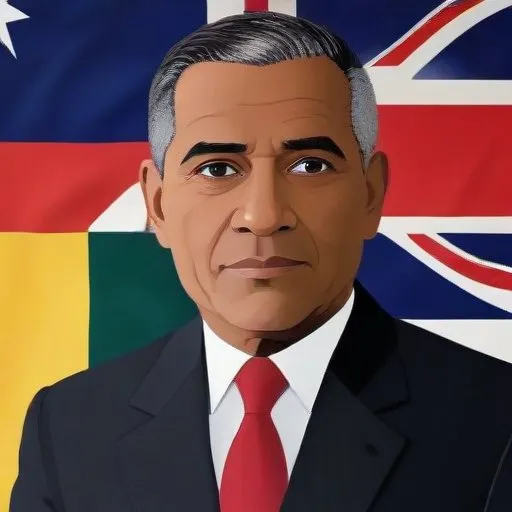
A pioneering figure in Australian politics, known for championing social justice, Aboriginal rights, and LGBTQ+ equality, leaving a lasting legacy in South Australia's progressive reforms.
Don Dunstan, the 35th Premier of South Australia, is renowned for his trailblazing social reforms and progressive policies that transformed the state's landscape in the 1960s and 1970s. He is perhaps best known for being a vocal advocate for Aboriginal rights, abolishing the death penalty, and decriminalizing homosexuality – making him a pioneer of social justice in Australian politics.
Born on September 21, 1926, in Fiji to Australian parents, Dunstan grew up with a strong sense of social justice and equality. He studied law at the University of Adelaide and was admitted to the bar in 1951. His entry into politics began in 1953 when he was elected to the South Australian House of Assembly as a member for the division of Norwood.
In the late 1950s, Dunstan gained national attention for his tireless campaign against the death penalty, particularly in the case of Max Stuart, a man convicted of rape and murder. Dunstan's crusade against the death penalty led to a significant shift in public opinion, and in 1967, it was finally abolished in South Australia.
In 1967, Dunstan became the Premier of South Australia, a position he held until 1968 and again from 1970 to 1979. During his tenure, he introduced a plethora of progressive reforms, including:
Dunstan's socially progressive administration left an indelible mark on South Australian politics and society. His commitment to social justice, equality, and human rights inspired a generation of politicians and activists. He is remembered as a true champion of progressive values, and his legacy continues to shape the state's political landscape.
Dunstan's contributions to Australian politics and society were recognized with several awards and honors, including:
Despite his busy political career, Dunstan was a devoted family man and married to his wife, Gretel, for over 40 years. He passed away on February 6, 1999, leaving behind a legacy of progressive politics and social reform.
Dunstan's extraordinary life and achievements serve as a testament to the power of progressive politics and the importance of fighting for social justice and human rights.
Born in 1916
The 21st Prime Minister of Australia, a lawyer, and lieutenant who introduced sweeping social and economic reforms, including universal healthcare and free education, and played a significant role in shaping the country's modern identity.
96 Years Old
Leader of the Australian Labor Party who served as Prime Minister from 1983 to 1991, known for his charismatic leadership and economic reforms.
82 Years Old
The 24th Prime Minister of Australia, a Labor Party leader who implemented significant economic reforms, including deregulation and privatization, and is known for his bold and charismatic leadership style.
65 Years Old
The first female Prime Minister of Australia, serving from 2010 to 2013, known for her progressive policies and leadership during a period of significant economic reform.
69 Years Old
The 26th Prime Minister of Australia, a diplomat, and leader who apologized to the Indigenous Australians for past injustices and played a key role in shaping the country's climate change policies.
73 Years Old
A British singer-songwriter and pianist known for his emotive, poetic lyrics and soaring melodies, crafting introspective and atmospheric indie-pop soundscapes.
96 Years Old
The 22nd Prime Minister of Australia, serving from 1975 to 1983, known for leading the country through a period of significant social and economic change, and for his strong stance on human rights and multiculturalism.
42 Years Old
An American actor known for his breakout role as Jamal Wallace in the 2000 film "Finding Forrester" and appearances in TV shows like "Blindspot" and "How to Get Away with Murder".
