


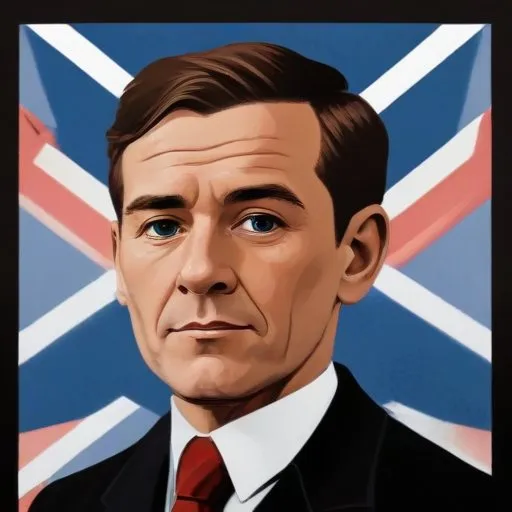
A pioneering labor leader and educator who fought for workers' rights and social justice, known for his progressive views and advocacy for a more equitable society.
Douglas Fraser, a Scottish-American union leader, is best remembered for his unwavering efforts to save Chrysler from bankruptcy in 1979, convincing workers to make concessions and lobbying the US Congress for a loan. As the president of the United Auto Workers (UAW) from 1977 to 1983, Fraser's leadership played a pivotal role in shaping the American labor movement.
Born on December 18, 1916, in Glasgow, Scotland, Fraser grew up in a family deeply rooted in trade unionism. His father, Samuel, an electrician and vocal trade unionist, would often fuel the family stove with stolen whiskey, a testament to the family's poverty. The Fraser family migrated to Detroit, Michigan, in 1922, where Douglas would be shaped by the Great Depression.
Fraser's experiences during the Great Depression, including his father's prolonged periods of unemployment, had a profound impact on his life. He dropped out of high school at 18 and took various jobs in the automobile industry, eventually becoming active in the union in 1936.
Fraser's union career began as a metal finisher in one of Chrysler's DeSoto factories. He was twice fired for his union beliefs and activities and participated in sit-down strikes at Chrysler. Despite these setbacks, Fraser persevered, becoming president of UAW Local 227 in 1943. After serving in the US Army during World War II, he quickly rose through the ranks in the UAW, serving as an international representative in 1947.
During a grueling 104-day strike at Chrysler in 1950, Fraser's negotiating skills impressed UAW staff, solidifying his position as a leader in the labor movement.
As president of the UAW, Fraser played a crucial role in shaping the American labor landscape. His tireless efforts to save Chrysler from bankruptcy earned him recognition and respect from both labor and business leaders. Fraser's commitment to the working class was unwavering, and his leadership inspired a generation of labor activists.
In 2006, Fraser received the Walter P. Reuther Humanitarian Award from Wayne State University, a testament to his lifelong dedication to labor rights and social justice.
Douglas Fraser's unwavering commitment to labor rights has left an indelible mark on American history. His leadership and advocacy continue to inspire labor activists and leaders, ensuring that the voices of working-class Americans are heard.
Fraser's story serves as a testament to the power of dedication and perseverance in the pursuit of social justice, cementing his place as one of the most influential labor leaders of the 20th century.
Born in 1894
A pioneering labor leader who fought for workers' rights, leading the AFL-CIO and playing a key role in shaping American labor laws.
Born in 1912
A pioneering civil rights activist who played a key role in organizing the 1963 March on Washington, where Martin Luther King Jr. delivered his iconic "I Have a Dream" speech.
Born in 1889
Leader of the Brotherhood of Sleeping Car Porters, pioneering the Civil Rights Movement through nonviolent protests and advocacy for African American workers' rights.
97 Years Old
A prominent leader in the civil rights movement, advocating for racial equality and social justice through nonviolent means, leaving a lasting impact on American history.
99 Years Old
Founded the United Farm Workers to improve working conditions and wages for farmworkers, leading boycotts and strikes to bring attention to their plight.
96 Years Old
Co-founder of the United Farm Workers, a labor union that fought for the rights of farmworkers, improving their working conditions and wages. Known for her tireless advocacy and grassroots organizing.
92 Years Old
A pioneering consumer advocate and presidential candidate, known for his tireless crusade against corporate greed and government negligence, particularly in the areas of environmental protection and product safety.
Born in 1913
Leader of the International Brotherhood of Teamsters labor union, notorious for his mysterious disappearance and alleged ties to organized crime.
