


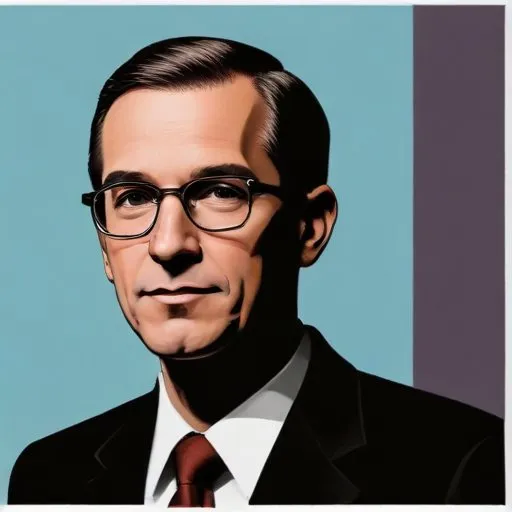
Leading expert on economic policy, particularly in the areas of taxation, healthcare, and Social Security reform, serving as director of the Congressional Budget Office from 2003 to 2005.
Douglas HoltzEakin is revered as one of the most influential economists of our time, having held coveted positions in academia, politics, and think tanks. He's best known for his tenure as the director of the Congressional Budget Office (CBO) and as the chief economic policy adviser to Senator John McCain's 2008 presidential campaign.
HoltzEakin was born on February 3, 1958, in suburban Pittsburgh, Pennsylvania, to a Navy veteran father who worked as a steel plant manager. He graduated from Denison University in 1980 with a B.A. in economics and mathematics and later earned his Ph.D. in economics from Princeton University in 1985.
HoltzEakin's impressive career spans over three decades, with notable appointments at:
In 2005, HoltzEakin became the president of the American Action Forum, a conservative think tank focused on promoting free-market policies and limited government intervention. Under his leadership, the organization has become a prominent voice in shaping economic policy debates.
HoltzEakin's work has had a significant impact on modern society, from informing fiscal policy decisions to shaping public discourse on economic issues. His expertise has been sought by top policymakers, and his opinions are frequently cited in leading media outlets.
HoltzEakin's economic philosophy is rooted in conservative principles, emphasizing the importance of limited government intervention, free markets, and individual liberty. His work has contributed to ongoing debates on issues like taxation, healthcare, and social security reform.
HoltzEakin has received numerous awards and honors for his contributions to economics and public policy, including:
HoltzEakin has been married twice and has three children. He is an avid reader and enjoys hiking in his free time.
Douglas HoltzEakin's remarkable career has left an indelible mark on the world of economics and public policy. His commitment to free-market principles and his tireless advocacy for limited government intervention have inspired a new generation of economists and policymakers.
Born in 1926
Former Chairman of the Federal Reserve, guiding the US economy through periods of growth and crisis, and known for his influence on monetary policy.
72 Years Old
The Chairman of the Federal Reserve during the 2008 financial crisis, credited with implementing unconventional monetary policies to stabilize the economy. Known for his calm and decisive leadership during tumultuous times.
80 Years Old
The 78th United States Secretary of the Treasury, a renowned economist, and the first woman to hold the position, known for shaping the country's economic policies and responding to financial crises. She played a crucial role in stabilizing the economy during the 2008 financial crisis.
71 Years Old
A renowned economist and academic who served as the Chief Economist of the World Bank and Secretary of the Treasury, known for his influential economic policies and theories.
65 Years Old
The 75th United States Secretary of the Treasury, who played a crucial role in responding to the 2008 financial crisis and implementing policies to stabilize the economy. He's known for his leadership during a tumultuous period in American economic history.
56 Years Old
A former Chairman of the Council of Economic Advisers, he is known for shaping economic policies and providing expert advice to the US government. His work has significant impacts on national economic growth and development.
