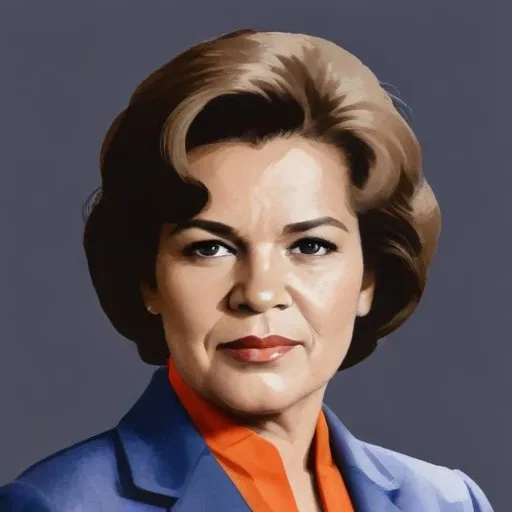
The Unyielding Activist: E.D. Nixon's Crusade for Civil Rights
E.D. Nixon, a stalwart champion of civil rights, is widely recognized as the chief organizer of the Montgomery Bus Boycott, a pivotal moment in the struggle for racial equality in the United States. As a close friend and confidant of Dr.
Martin Luther King Jr., Nixon played a crucial role in shaping the course of the Civil Rights Movement.
A Life of Activism
Born on July 12, 1899, in Montgomery, Alabama, Nixon grew up in a family deeply rooted in the struggle for racial justice. His grandfather, a former slave, instilled in him the importance of fighting for equality and human rights. Nixon's own experiences with racial discrimination, including being fired from his job as a Pullman porter for attempting to register to vote, further galvanized his resolve to challenge the status quo.
The Montgomery Bus Boycott
Nixon's most significant contribution to the Civil Rights Movement came in 1955, when he spearheaded the Montgomery Bus Boycott. Following the arrest of
Rosa Parks for refusing to surrender her seat to a white person, Nixon rallied the African American community, organizing a citywide boycott of the Montgomery bus system. The 381-day boycott, led by Dr. King, ultimately resulted in the desegregation of the city's buses and cemented Nixon's reputation as a fearless and effective activist.
Personal Milestones and Key Life Events
- In 1940, Nixon co-founded the Montgomery Voters League, an organization dedicated to registering African Americans to vote.
- He served as president of the Montgomery chapter of the NAACP from 1945 to 1982.
- In 1956, Nixon was elected to the Alabama State Democratic Executive Committee, becoming the first African American to hold the position.
Philosophical Contributions and Beliefs
Nixon's unwavering commitment to nonviolent resistance and civil disobedience reflected his deep admiration for
Mahatma Gandhi and his philosophy of passive resistance. He firmly believed that moral persuasion and collective action could bring about meaningful social change, and his leadership played a significant role in shaping the tactics of the Civil Rights Movement.
Legacy and Impact
E.D. Nixon's tireless efforts and unrelenting dedication to the cause of racial equality have left an indelible mark on American history. His work paved the way for future generations of civil rights activists, and his legacy continues to inspire and motivate individuals to fight for social justice and human rights.
Quotes and Memorable Sayings
- "I'm not looking for a leader. I'm looking for a successor."
- "I was not a leader. I was a worker. I was a doer."
Honors and Awards
- In 1985, Nixon received the Martin Luther King Jr. Nonviolent Peace Prize.
- He was awarded the NAACP's Spingarn Medal in 1987.
E.D. Nixon's remarkable life and achievements serve as a testament to the power of grassroots activism and the unwavering pursuit of justice and equality. His legacy continues to inspire and motivate individuals to strive for a more equitable and just society.
FAQ
Who was E.D. Nixon and what was his role in the Civil Rights Movement?
E.D. Nixon was a prominent American civil rights leader who played a key role in the Montgomery Bus Boycott. He was a leader in the National Association for the Advancement of Colored People (NAACP) and worked closely with Dr. Martin Luther King Jr. to organize the boycott.
What was E.D. Nixons relationship with Rosa Parks?
E.D. Nixon was a close friend and mentor to Rosa Parks, and he helped organize the Montgomery Bus Boycott in response to her arrest for refusing to give up her seat to a white person. Nixons leadership and strategic thinking were instrumental in the success of the boycott.
What were some of E.D. Nixons key contributions to the Civil Rights Movement?
E.D. Nixon made significant contributions to the Civil Rights Movement, including helping to organize the Montgomery Bus Boycott, participating in the Selma to Montgomery Marches, and working to desegregate public facilities in Alabama.
What was E.D. Nixons role in the NAACP?
E.D. Nixon was a leader in the National Association for the Advancement of Colored People (NAACP) and served as the president of the Montgomery chapter. He worked closely with NAACP leaders like Thurgood Marshall to advance civil rights causes.
How is E.D. Nixon remembered today?
E.D. Nixon is remembered as a courageous and dedicated civil rights leader who played a crucial role in the Montgomery Bus Boycott and the broader Civil Rights Movement. His legacy serves as an inspiration to continue fighting for social justice and equality.