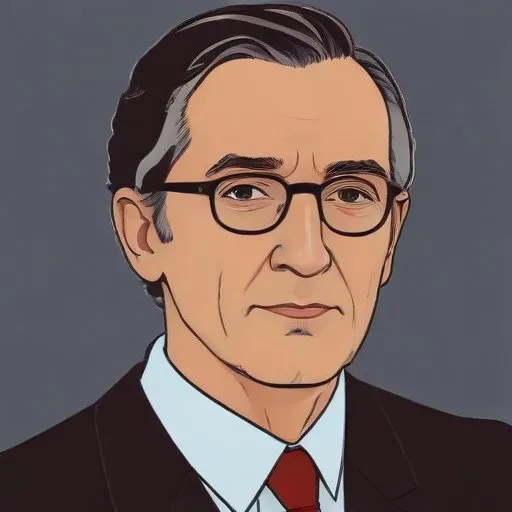
Sir Earle Page: The Visionary Politician and Surgeon
A Legacy of Leadership and Development
Sir Earle Page is renowned for his exceptional leadership and vision, which propelled him to become the 11th Prime Minister of Australia, serving in a caretaker capacity from 7 to 26 April 1939. As the leader of the Country Party from 1921 to 1939, Page was instrumental in shaping the country's development, particularly in the Northern Rivers region, where he championed various development schemes, including hydroelectricity projects.
Early Life and Education
Born on 8 August 1880, in Grafton, New South Wales, Page demonstrated exceptional academic prowess, entering the University of Sydney at the tender age of 15. He graduated with a degree in medicine at just 21 and went on to complete his medical residency at Sydney's Royal Prince Alfred Hospital.
Politics and Public Service
Page's foray into politics began in 1915, when he purchased a part-share in The Daily Examiner, a local newspaper. His involvement in local politics soon led to his election to Federal Parliament in 1919, representing the Division of Cowper. He joined the Country Party in 1920 and became its inaugural whip, eventually replacing William McWilliams as party leader in 1921.
A Champion of Development and Reform
As the leader of the Country Party, Page opposed the economic policies of Prime Minister
Billy Hughes, advocating for changes that would benefit rural Australia. When the Country Party gained the balance of power at the 1922 election, Page demanded Hughes' resignation, paving the way for a coalition with the Nationalist Party. As Treasurer of Australia from 1923 to 1929, Page exerted significant influence on domestic policy, focusing on rural development and infrastructure projects.
Later Life and Legacy
Page continued to serve in various capacities, including as Minister for Commerce from 1934 to 1939. He played a crucial role in shaping the country's agricultural sector and was a strong advocate for New England statehood. Despite his relatively short tenure as Prime Minister, Page left an indelible mark on Australian politics and development.
Personal Milestones and Key Life Events
- 1880: Born in Grafton, New South Wales
- 1915: Purchased a part-share in The Daily Examiner, a local newspaper
- 1919: Elected to Federal Parliament, representing the Division of Cowper
- 1921: Became leader of the Country Party
- 1923-1929: Served as Treasurer of Australia
- 1934-1939: Served as Minister for Commerce
- 1939: Became the 11th Prime Minister of Australia
- 1961: Passed away on 20 December
Philosophical Contributions and Beliefs
Page was driven by a strong sense of nationalism and a commitment to rural development. He believed in the importance of investing in infrastructure and promoting regional growth to ensure a strong and prosperous Australia.
Impact on Modern Society
Sir Earle Page's legacy continues to shape Australian politics and development. His vision for a stronger, more self-sufficient rural sector has inspired generations of leaders and continues to influence policy decisions today.
Career Highlights and Major Works
- Leader of the Country Party (1921-1939)
- Treasurer of Australia (1923-1929)
- Minister for Commerce (1934-1939)
- 11th Prime Minister of Australia (1939)
Inspirational Stories and Motivations
Page's remarkable journey, marked by his dedication to public service and his unwavering commitment to rural Australia, serves as a beacon of inspiration for aspiring leaders and politicians. His legacy is a testament to the power of vision, perseverance, and hard work in shaping a nation's destiny.
FAQ
What was Earle Pages role in Australian politics?
Earle Page was an Australian lawyer, academic, and politician who served as the 11th Prime Minister of Australia. He played a key role in shaping Australian politics during the early 20th century.
What were Earle Pages policies as Prime Minister?
As Prime Minister, Earle Page implemented policies to promote economic development, improve healthcare, and expand education. He also played a key role in shaping Australias foreign policy during World War I.
What was Earle Pages stance on federation?
Earle Page was a strong supporter of federation and played a key role in the movement to create a unified Australian state. He believed that a federated Australia would be stronger and more prosperous than individual colonies.
How did Earle Page respond to the Great Depression?
Earle Page responded to the Great Depression by implementing policies to stimulate economic growth, including infrastructure projects and support for industry. He also played a key role in shaping Australias response to the global economic crisis.
What is Earle Pages legacy?
Earle Pages legacy is that of a dedicated public servant who worked to promote the interests of Australia. He is remembered for his role in shaping Australian politics and his commitment to improving the lives of Australians.