


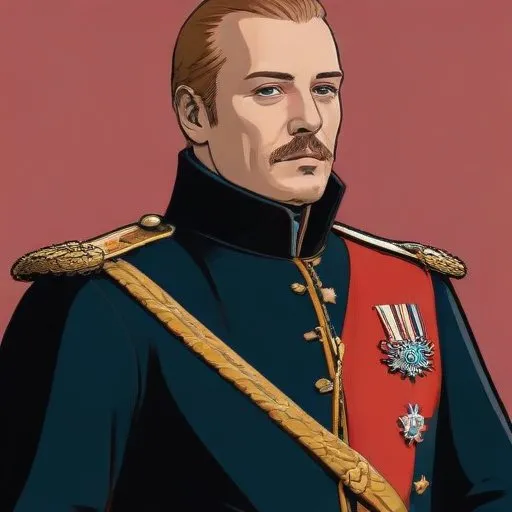
Eberhard III, Duke of Wrttemberg, is renowned for his unwavering determination and strategic leadership during the tumultuous Thirty Years' War, which ravaged Europe from 1618 to 1648. As the ruler of Wrttemberg from 1628 until his death in 1674, Eberhard III navigated the complex web of alliances, conflicts, and power struggles that defined this era, ultimately securing the survival and integrity of his duchy.
Born on December 16, 1614, in Stuttgart, Eberhard III was the second son of John Frederick, 7th Duke of Wrttemberg, and Barbara Sophie of Brandenburg. Following his father's death in 1628, Eberhard III became the heir under guardianship at the tender age of 14, with his uncle Louis Frederick, Duke of Wrttemberg-Montbliard, serving as his initial guardian.
In 1633, Eberhard III was declared of full age, and he assumed full control of the duchy, ousting Julius Frederick, Duke of Wrttemberg-Weiltingen, who had taken over as guardian after Louis Frederick's death in 1631. Eberhard III's early reign was marked by significant challenges, including the devastating Battle of Nördlingen in 1634, which led to the loss of approximately one-third of Wrttemberg's territory.
After fleeing to Strasbourg, Eberhard III married Anna Katharina Dorothea, Wild and Rheingräfin of Salm-Kyrburg-Mörchingen, in 1637, and eventually returned to Wrttemberg in 1638 following protracted negotiations with Ferdinand III of the Holy Roman Empire. These negotiations ultimately led to the reinstatement of the Duchy of Wrttemberg through the Peace of Westphalia in 1648.
Eberhard III's personal life was marked by two marriages: first to Anna Katharina Dorothea, and later to Marie of Baden-Durlach in 1650. He had several children, including his successor, William Louis, who would go on to become the 8th Duke of Wrttemberg.
In addition to his family, Eberhard III is remembered for his shrewd political maneuvering, which enabled him to secure crucial alliances and maintain the territorial integrity of Wrttemberg. His legacy is a testament to his resilience and statesmanship in the face of overwhelming adversity.
Eberhard III's reign was marked by the devastating consequences of war, poverty, hunger, and the Bubonic plague, which reduced Wrttemberg's population from 350,000 in 1618 to 120,000 in 1648. Despite these challenges, he managed to preserve the duchy's autonomy and lay the groundwork for its future prosperity. His legacy serves as a testament to the enduring spirit of Wrttemberg and its people.
Today, Eberhard III is remembered as a skilled diplomat, astute politician, and steadfast leader who navigated the treacherous landscape of 17th-century European politics, safeguarding the interests of his duchy and people.
