


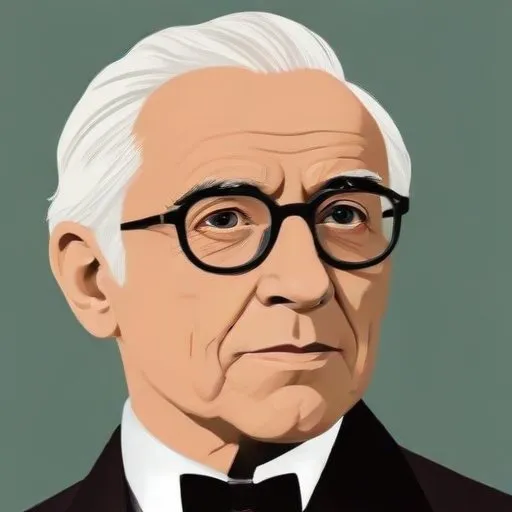
Austrian composer of operettas and waltzes, known for his contributions to the development of Viennese operetta, particularly with his hit "The Circus Princess".
Known for his captivating operettas, chamber music, and piano pieces, Edmund Eysler was a renowned Austrian composer who left an indelible mark on the world of music. Born on March 12, 1874, in Vienna, Eysler's life was a testament to his passion for music, which he pursued against the wishes of his family, who had envisioned a career in engineering for him.
Eysler's formal music education began at the Vienna Conservatory, where he studied composition under the guidance of Robert Fuchs and became a skilled piano teacher and Kapellmeister. After completing his degree, he taught piano to make ends meet, all the while nurturing his compositional skills.
The turning point in Eysler's career came when he met librettist Ignaz Schnitzer, who introduced him to the text of Zigeunerbaron (Gypsy King). Although the opera Der Hexenspiegel (The Witches' Mirror) was initially rejected by the Vienna Court Opera, Eysler's perseverance paid off when Josef Weinberger encouraged him to transform the music into an operetta. The resulting work, Bruder Straubinger, premiered on February 20, 1903, and became a huge success, catapulting Eysler to fame.
Eysler's subsequent operettas, such as Der unsterbliche Lump (The Immortal Blight) and Der Frauenfresser (The Woman-Eater), solidified his position as a master of the genre. His music was praised for its solid instrumentation and simple harmonies, which brought a new level of sophistication to the operetta genre. Eysler also composed the ballet Schlaraffenland, which further showcased his versatility as a composer.
Eysler's contribution to the world of music is undeniable. His operettas not only entertained audiences but also elevated the genre as a whole. His music's timeless appeal has ensured that his works remain popular to this day, with many of his operettas still being performed around the world.
"Music is the divine way to tell beautiful, poetic things to the heart." - Edmund Eysler
Edmund Eysler's life was a testament to the power of passion and perseverance. His music continues to delight audiences, and his legacy serves as an inspiration to aspiring composers and musicians. As we reflect on his life and achievements, we are reminded of the profound impact he had on the world of music.
Born in 1804
Austrian composer and conductor of waltzes, polkas, and other dance music, known for his lively and energetic compositions that helped popularize Viennese dance music.
Born in 1870
Operetta mastermind behind iconic works like "The Merry Widow", blending Viennese charm with witty humor and lush melodies.
Born in 1870
A renowned composer and conductor of operettas, known for his witty and charming music that blended Viennese elegance with French flair. His works include "The Chocolate Soldier" and "Waltz Dream".
Born in 1873
Austrian composer of operettas, known for his witty and charming music, particularly in the popular operetta "The Dollar Princess".
Born in 1850
Austrian composer and critic who wrote operettas and musical comedies, and was a prominent music critic in Vienna during the late 19th and early 20th centuries.
