


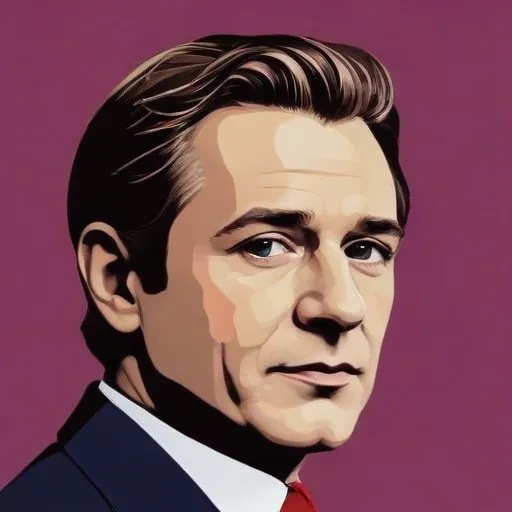
Austrian composer of operettas, known for his witty and charming music, particularly in the popular operetta "The Dollar Princess".
Renowned for his captivating operettas, Leo Fall was an Austrian composer and Kapellmeister who left an indelible mark on the world of music. His works, characterized by their melodic richness and orchestral mastery, continue to delight audiences to this day.
Born on February 2, 1873, in Olmütz, Austria (now Olomouc, Czech Republic), Leo Fall was the son of Moritz Fall, a bandmaster and composer. Under his father's guidance, Fall received initial training in music. He later pursued his studies at the Vienna Conservatory, where he was mentored by prominent musicians such as Robert Fuchs and Johann Nepomuk Fuchs.
In 1895, Fall embarked on a new career as an operetta conductor in Hamburg, Germany. This marked the beginning of his compositional journey, as he started creating his own works. By 1904, he had dedicated himself entirely to composition, producing a string of successful operettas that would establish his reputation.
Fall's most notable operettas include The Dollar Princess and Madame Pompadour, which enjoyed successful runs in London and New York. His works remained popular in Germany and Austria throughout the 20th century. One of his operettas, Der liebe Augustin, reportedly received an unprecedented 3,360 performances in London.
Leo Fall's contributions to the world of music are multifaceted. He played a significant role in shaping the Silver Age of Vienna operetta, an era marked by creative experimentation and innovation. His works continue to inspire new generations of musicians and music enthusiasts alike.
Fall's legacy was not limited to his artistic achievements. He was part of a family of composers, with his brothers Siegfried and Richard also making significant contributions to the world of music. Tragically, both brothers were murdered in Nazi concentration camps during World War II.
Fall settled in Vienna in 1906, where he spent the remaining years of his life. He passed away on September 16, 1925, and was buried at the Vienna Central Cemetery.
Today, Leo Fall's music serves as a testament to his creative genius and his ability to craft works that continue to captivate audiences. His legacy is a powerful reminder of the transformative power of music to bring people together and transcend boundaries.
Born in 1804
Austrian composer and conductor of waltzes, polkas, and other dance music, known for his lively and energetic compositions that helped popularize Viennese dance music.
Born in 1870
Operetta mastermind behind iconic works like "The Merry Widow", blending Viennese charm with witty humor and lush melodies.
Born in 1870
A renowned composer and conductor of operettas, known for his witty and charming music that blended Viennese elegance with French flair. His works include "The Chocolate Soldier" and "Waltz Dream".
Born in 1819
Austrian composer and conductor renowned for his operettas, particularly "Light Cavalry" and "Poet and Peasant", which remain popular to this day.
Born in 1819
A 19th-century cellist and composer who created over 100 operas, including the famous "Orpheus in the Underworld," which popularized the can-can dance. He's known for his witty, satirical, and romantic music.
