


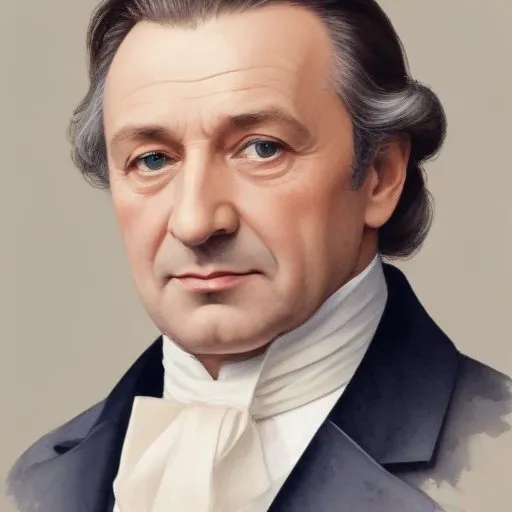
Austrian composer and conductor renowned for his operettas, particularly "Light Cavalry" and "Poet and Peasant", which remain popular to this day.
Franz von Suppé, a renowned Austrian composer, is celebrated for his rich contributions to the world of music, particularly in the realm of light operas. With over four dozen operettas to his credit, Suppé's works continue to delight audiences, especially in German-speaking countries, with their lighthearted charm and melodic beauty.
Born Francesco Ezechiele Ermenegildo de Suppé on April 18, 1819, in Spalato, Dalmatia (now Split, Croatia), Suppé's early life was marked by a strong musical influence. His father, a civil servant in the Austrian Empire, and his Viennese-born mother, encouraged his musical talents from a young age.
Suppé's musical journey began in Zara (now Zadar), where he received his first music lessons and started composing at a very young age. Under the guidance of a local bandmaster and the Zara cathedral choirmaster, Suppé developed his skills on the flute and harmony as a teenager.
Suppé's claim to fame lies in his operettas, which number over four dozen. Although he composed a substantial amount of church music, it is his operettas that remain popular to this day, particularly in German-speaking countries. Among his most celebrated works are Poet and Peasant, Light Cavalry, Morning, Noon, and Night in Vienna, and Pique Dame.
Suppé's overtures, too, have earned him a special place in the hearts of music lovers. His most famous overtures continue to be performed in concert halls and recorded to this day, showcasing his mastery of the genre.
Despite the disputes surrounding his early life, Suppé's contributions to music are undeniable. He spent his life dedicated to his craft, leaving behind a rich legacy of music that continues to enchant audiences.
Through his music, Suppé has inspired generations of composers and musicians, cementing his place in the annals of music history. As we remember this remarkable composer, we celebrate not only his music but also his enduring impact on the world of classical music.
In conclusion, Franz von Suppé's life and works are a testament to the power of music to bring joy and beauty to humanity. As we continue to enjoy his operettas and overtures, we honor the legacy of a true maestro of light operas.
Franz von Suppé's music continues to delight audiences, and his legacy remains an integral part of classical music heritage. As we appreciate his contributions, we are reminded of the transformative power of music to uplift and inspire us.
Born in 1804
Austrian composer and conductor of waltzes, polkas, and other dance music, known for his lively and energetic compositions that helped popularize Viennese dance music.
Born in 1870
Operetta mastermind behind iconic works like "The Merry Widow", blending Viennese charm with witty humor and lush melodies.
Born in 1850
Austrian composer and critic who wrote operettas and musical comedies, and was a prominent music critic in Vienna during the late 19th and early 20th centuries.
Born in 1842
Austrian composer and conductor of operettas, known for his lighthearted and humorous works, particularly "The Beggar Student".
Born in 1873
Austrian composer of operettas, known for his witty and charming music, particularly in the popular operetta "The Dollar Princess".
Born in 1870
A renowned composer and conductor of operettas, known for his witty and charming music that blended Viennese elegance with French flair. His works include "The Chocolate Soldier" and "Waltz Dream".
Born in 1835
A member of the famous Strauss family, he was a composer and conductor of light music, particularly waltzes, and led the Strauss Orchestra for over 40 years. He is best known for his operettas and dance music.
