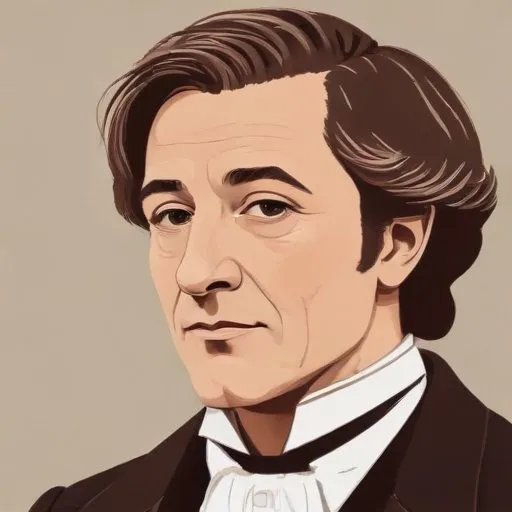
Carl Millcker: The Austrian Maestro of Operettas
A Life Dedicated to Music
Carl Millcker, born in April 1842, was a renowned Austrian composer of operettas and conductor, leaving an indelible mark on the world of classical music. With a career spanning over three decades, he is best known for his iconic operettas, which continue to delight audiences to this day.
Early Life and Training
Born in Vienna, Austria, Millcker began his musical journey at the tender age of nine, studying the flute at the Vienna Conservatory. This early training laid the foundation for his future success as a composer and conductor.
Rise to Prominence
Millcker's big break came with the premiere of his one-act operetta,
Der tote Gast, in 1865. The operetta's success was followed by another notable work,
Der Bettelstudent, which catapulted him to international fame and enabled him to retire from conducting. Although he never achieved the same level of success again, Millcker continued to compose, leaving behind a rich legacy of operettas and operas.
Major Works
- Der tote Gast (1865) - Millcker's first operetta, premiered in Vienna
- Der Bettelstudent (1882) - His most famous operetta, which brought him international recognition
- Gasparone (1884) - An operetta that showcases Millcker's mastery of the genre
Influence and Legacy
Millcker's contributions to the world of operetta are undeniable. His works continue to be performed and admired, influencing generations of composers and musicians. He was laid to rest in an honorary grave in Vienna's Zentralfriedhof cemetery, a testament to his enduring legacy.
Personal Life and Milestones
Millcker's personal life was marked by significant milestones, including his marriage and the birth of his children. He was known to be a kind and humble individual, beloved by his friends and colleagues. Millcker's life was cut short when he passed away on December 31, 1899, in Baden bei Wien, Austria.
Trivia and Fun Facts
- Millcker was a talented flautist and began his musical training at the age of nine.
- He was a prolific composer, writing over 20 operettas and operas during his lifetime.
- Millcker's music was highly acclaimed during his lifetime, with many of his operettas receiving rave reviews.
Conclusion
Carl Millcker's life was a testament to his dedication to music and his passion for creating timeless masterpieces. His operettas continue to delight audiences, and his legacy serves as an inspiration to musicians and composers around the world.
FAQ
Who was Carl Millöcker and what were his musical contributions?
Carl Millöcker was an Austrian composer and conductor who made significant contributions to the development of operetta, particularly in Vienna, and is best known for his operetta The Beggar Student.
What were Carl Millöckers most notable operettas?
Carl Millöckers most notable operettas include The Beggar Student, Gasparone, and The Vampire, which showcased his mastery of melody, harmony, and libretto.
How did Carl Millöcker influence the development of Viennese operetta?
Carl Millöckers operettas helped to shape the development of Viennese operetta, promoting a unique blend of music, comedy, and drama that became a hallmark of the genre.
What was Carl Millöckers role in the Vienna Court Opera?
Carl Millöcker served as a conductor at the Vienna Court Opera, where he promoted the works of Austrian composers and helped to establish the institution as a center of musical excellence.
What is Carl Millöckers legacy in Austrian music history?
Carl Millöckers legacy in Austrian music history is marked by his contributions to the development of operetta, his influence on Viennese musical culture, and his role in shaping the sound of Austrian music.