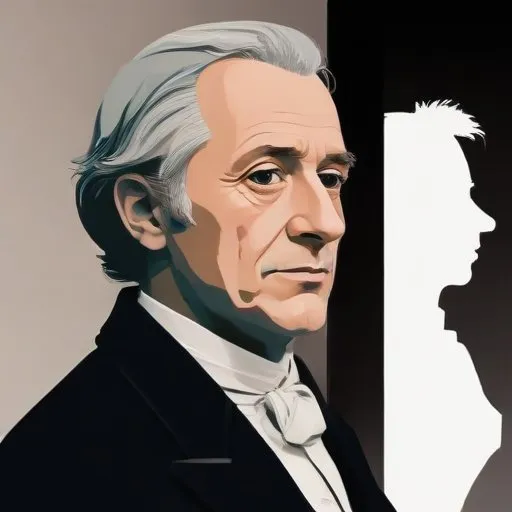
Richard Heuberger: The Master of Operettas
A Legacy of Melodic Brilliance
Richard Heuberger, an Austrian composer of operas and operettas, music critic, and teacher, left an indelible mark on the world of music. He is best known for his iconic operetta,
Der Opernball, composed in 1898, which remains one of the most celebrated works of its kind.
A Life of Music and Criticism
Born on June 18, 1850, in Graz, Austria, Heuberger was the son of a bandage manufacturer. Initially, he pursued engineering, but his passion for music soon took over. He studied at the Graz Conservatory under
Robert Fuchs and later transferred to Vienna, where he became the chorus master of the Wiener Akademischer Gesangverein, conductor of the Wiener Singakademie, and director of the Wiener Männergesangverein Vienna Men's Choral Association.
A Music Critic of Renown
Heuberger's literary talents were equally impressive. He wrote music criticism for several prominent publications, including the
Neues Wiener Tagblatt (1881), the
Allgemeine Zeitung in Munich (1889), and the
Neue Freie Presse (1896-1901), succeeding the renowned Hanslick. He also edited the
Musikbuch aus Österreich in 1904-1906.
A Prolific Composer
Heuberger's compositional output was vast and varied. He wrote numerous operas, ballets, choral works, and songs, showcasing his mastery of multiple genres. Some of his notable works include:
- Der Opernball (1898)
- Ihre Excellenz (1899), revised as Eine entzückende Frau
- Der Sechsuhrzug (1900)
- (1902)
- Der Fürst von Düsterstein (1909)
- Don Quixote (1910)
A Legacy of Influence
Heuberger's impact on the world of music was profound. He taught at the Vienna Conservatory from 1902, where one of his pupils was the illustrious
Clemens Krauss. His music remains a testament to his innovative spirit and melodic genius.
A Life Well-Lived
Richard Heuberger passed away on October 28, 1914, in Vienna, Austria, leaving behind a legacy that continues to inspire generations of music lovers. His contributions to the world of music, criticism, and education have cemented his place as one of the most important figures in the history of Austrian music.
FAQ
What was Richard Heubergers contribution to music?
Richard Heuberger was a prominent Austrian composer and critic, known for his operettas, operas, and orchestral works, as well as his influential music criticism.
What was Heubergers role in Viennese musical life?
Heuberger was an integral part of Viennese musical society, actively participating in and promoting the citys rich musical heritage through his compositions and critiques.
How did Heubergers music reflect his personality?
Heubergers music is characterized by its lyricism, humor, and wit, reflecting his lively and engaging personality.
What was Heubergers most famous composition?
Heubergers operetta Der Opernball is considered his masterpiece, combining humor, wit, and charm with masterful musical craftsmanship.
How did Heuberger influence other composers?
Heubergers work and criticism had a significant impact on the development of Austrian music, influencing composers such as Franz Lehár and Richard Strauss.