


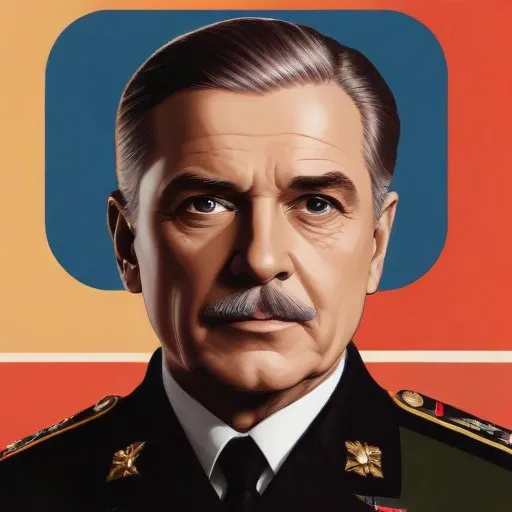
A decorated military leader, known for his command of the 13th Airborne Division during World War II and later as the Deputy Commander of the US Army Forces in the Pacific.
Edward B. Giller was a trailblazing major general in the United States Air Force, renowned for his groundbreaking work as the assistant director and later director of the Research Directorate for the Air Force Special Weapons Center at Kirtland Air Force Base in the 1950s and 60s. He played a pivotal role in shaping the country's nuclear program, particularly as the USAF Liaison officer for the Project Orion.
Born on July 8, 1918, in Jacksonville, Illinois, Giller grew up in White Hall, Illinois. He attended Kemper Military School in Missouri for his last two years of high school and later obtained a Bachelor of Science degree in Chemical Engineering from the University of Illinois in 1940. During his time at the university, he was a member of the Gamma Zeta chapter of Alpha Tau Omega fraternity.
Giller's bravery and skill as a fighter pilot during World War II earned him numerous accolades. He flew P-38J Lightning and P-51D Mustang aircraft with the 343d Fighter Squadron, 55th Fighter Group, and recorded three confirmed kills, including a Messerschmitt Me 262 over Munich on April 9, 1945. Giller also had six credited ground kills and two damaged. His aircraft, named "The Millie G" after his wife, Mildred, were coded CYG.
Giller's exceptional service was recognized with several prestigious awards, including:
After the war, Giller continued to serve the US Air Force, holding various leadership positions, including assistant general manager for military application at the United States Atomic Energy Commission in Germantown, Maryland. His contributions to the development of nuclear technology and his leadership in the Air Force Special Weapons Center left an indelible mark on the country's military and scientific landscape.
Edward B. Giller's remarkable life was a testament to his unwavering dedication to his country and his craft. His inspiring story serves as a reminder of the sacrifices made by those who have served in the military and their families. Giller's legacy continues to inspire future generations of military leaders, scientists, and engineers.
Born in 1890
Led the Allied forces to victory in World War II and later served as President, maintaining peace and prosperity during the Cold War era. He's known for his strategic leadership and diplomatic skills.
Born in 1893
Led the US Army in World War II and became the last five-star general, playing a crucial role in shaping post-war American military strategy. He's also known for his humble and unassuming leadership style.
Born in 1880
A highly decorated military leader and statesman who played a crucial role in shaping post-WWII foreign policy and was awarded the Nobel Peace Prize for his efforts. He's most known for authoring the Marshall Plan, a massive economic aid program that helped rebuild war-torn Europe.
Born in 1880
A highly decorated war hero and master strategist who led troops to victory in World War I and II, and later became a prominent figure in the occupation of Japan.
Born in 1886
Led the United States Army Air Forces during World War II, playing a crucial role in the Allied victory, and later became the first General of the Air Force. He's also known as the "Father of the US Air Force".
Born in 1885
A renowned military leader who played a crucial role in World War II, particularly in the Allied victory in Europe, known for his bold tactics and unapologetic style.
Born in 1896
Led the Allied invasion of Italy during World War II, playing a crucial role in the war's Mediterranean Theater. He later became the Commander-in-Chief of the United States Army Field Forces.
