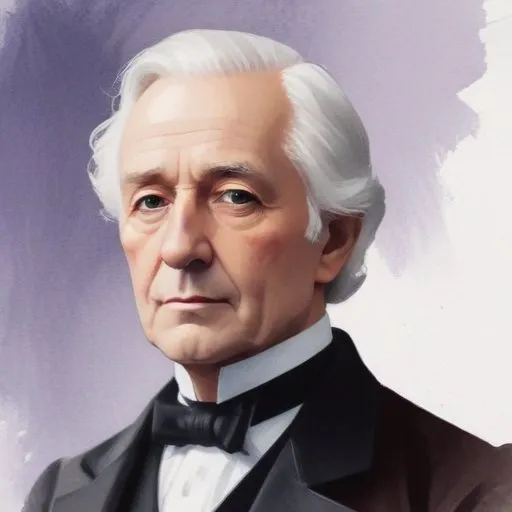
Edward Knight: The Pioneering American Composer
A Master of Fusion: Blending Jazz, Theatrical, and Concert Music
Edward Knight, born on November 4, 1961, is an American composer renowned for his extraordinary ability to blend jazz, theatrical, and concert music, creating a unique sound that defies easy classification. With a career spanning over three decades, Knight has earned accolades for his innovative and eclectic compositions, which have captivated audiences worldwide.
Early Life and Musical Beginnings
Born in Ann Arbor, Michigan, Knight was introduced to music by his grandmother, Kathryn Dyer Knight, a concert pianist who taught piano later in life. He excelled at trumpet as a teenager, touring with Musical Youth International, performing in Russia, Scandinavia, the British Isles, and several European capitals. This early exposure to diverse musical styles and cultures laid the foundation for his future compositional work.
Education and Early Career
Knight earned his undergraduate degree from Eastern Michigan University and his master's and doctorate in composition from the University of Texas at Austin. He spent a year studying privately with
John Corigliano in New York and won a Rotary Scholarship for postdoctoral study at London's Royal College of Music, where he studied with John Lambert. During his time at the Royal College, he became the first American to win the
Arthur Bliss Memorial for outstanding postgraduate composer.
Breakthrough and Critical Acclaim
Knight came to national attention with four large-scale orchestral works in the late 1980s and early 1990s:
Of Perpetual Solace,
Total Eclipse,
Granite Island, and
Big Shoulders.
Of Perpetual Solace, his doctoral work for the University of Texas, premiered by the Civic Orchestra of Chicago, won first prize in the National Orchestra Association's New Music Orchestral Project.
Total Eclipse was selected for the New York Philharmonic's Horizons 90 New Music for Orchestra concert, and
Big Shoulders, commissioned by ASCAP and the Chicago Symphony Orchestra, won ASCAP's Rudolf Nissim Prize for best new orchestral work.
Innovative Style and Artistic Influences
Knight's music is characterized by its fusion of diverse styles, reflecting his eclectic background and influences. He has been praised for his visceral, evocative, and often provocative compositions, which challenge traditional notions of genre and concert music. His work has been lauded by critics and audiences alike, solidifying his position as a trailblazing figure in modern American music.
Awards and Honors
- First prize, National Orchestra Association's New Music Orchestral Project
- Arthur Bliss Memorial for outstanding postgraduate composer
- ASCAP's Rudolf Nissim Prize for best new orchestral work
Legacy and Impact on Modern Music
Edward Knight's groundbreaking compositions have expanded the boundaries of concert music, inspiring a new generation of composers to experiment with diverse styles and genres. His innovative approach has enriched the musical landscape, ensuring his legacy as a pioneering American composer.
FAQ
What is Edward Knights compositional style?
Edward Knights compositional style is characterized by its lyricism, accessibility, and emotional depth. He often incorporates elements of jazz and popular music into his work.
What is Edward Knights most famous composition?
Edward Knights most famous composition is his opera The Private Gardens, which premiered in 2002 and has since been performed numerous times.
Has Edward Knight collaborated with any notable musicians?
Yes, Edward Knight has collaborated with many notable musicians, including the conductor David Alan Miller and the soprano Dawn Upshaw.
What is Edward Knights approach to teaching composition?
Edward Knights approach to teaching composition emphasizes creativity, experimentation, and collaboration. He has taught at several institutions, including the University of Texas at Austin.
How has Edward Knight used his music to address social issues?
Edward Knight has used his music to address social issues such as social justice, personal identity, and environmentalism. His work often explores the human experience and our place in the world.