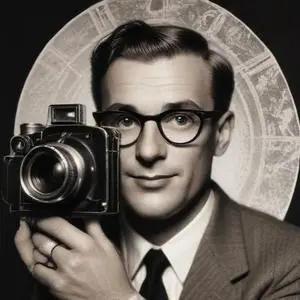
The Visionary Eye of Edward Steichen: A Pioneer of Photography and Art
A Lifetime of Creative Excellence
Edward Steichen, a Luxembourgish-American photographer, painter, and curator, is renowned as one of the most prolific and influential figures in the history of photography. With a career spanning over seven decades, Steichen transformed photography into an art form, elevating it from a mere medium to a distinct language of creative expression.
A Pictorialist Genius
Steichen's work first gained recognition in the early 20th century, particularly through his association with
Alfred Stieglitz's groundbreaking magazine
Camera Work. His photographs appeared in the magazine more often than any other artist during its publication run from 1903 to 1917. Stieglitz hailed Steichen as the "greatest photographer that ever lived," and his work continued to inspire and influence generations of photographers.
Fashion Photography Pioneer
In 1911, Steichen's innovative fashion photographs for the magazine
Art et Décoration marked a turning point in the history of fashion photography. These images, featuring modernist gowns, were the first of their kind to be published, setting a new standard for the industry. From 1923 to 1938, Steichen served as chief photographer for
Vogue and
Vanity Fair, solidifying his reputation as a master of fashion photography.
Wartime Contributions and Beyond
During World War II, Steichen was invited by the United States Navy to serve as Director of the Naval Aviation Photographic Unit. In 1944, he directed the war documentary
The Fighting Lady, which won the Academy Award for Best Documentary Feature at the 17th Academy Awards.
The Family of Man: A Landmark Exhibition
From 1947 to 1961, Steichen served as Director of the Department of Photography at New York's Museum of Modern Art (MoMA). During this tenure, he curated and assembled numerous exhibits, including the iconic
The Family of Man (1955), which showcased over 500 photographs from 68 countries. This exhibition, seen by nine million people, was a testament to Steichen's vision and his ability to bring people together through the power of photography.
Awards, Honors, and Legacy
Throughout his life, Steichen received numerous awards and honors for his contributions to photography and the arts. In 2003, the
Family of Man photographic collection was added to UNESCO's Memory of the World Register in recognition of its historical value.
- In 2006, a print of Steichen's early pictorialist photograph, The Pond—Moonlight (1904), sold for $2.9 million at auction, the highest price ever paid for a photograph at the time.
- In 2022, a print of another photograph, The Flatiron (1904), became the second most expensive photograph ever sold at auction.
A Life of Creative Expression
Edward Steichen's life was a testament to his passion for creative expression. Through his work, he pushed the boundaries of photography, fashion, and art, leaving an indelible mark on the world. His legacy continues to inspire and influence artists, photographers, and creatives to this day, a true testament to his visionary eye and enduring impact on modern culture.
FAQ
What was Edward Steichens contribution to photography?
Edward Steichen was a Luxembourger-American painter and photographer who made significant contributions to the development of modern photography. He is best known for his work in fashion photography and his use of color and lighting.
What were Edward Steichens most famous photographs?
Edward Steichens most famous photographs include his portraits of celebrities like Greta Garbo and Gloria Swanson, as well as his fashion photography for magazines like Vogue and Vanity Fair.
What was Edward Steichens role in the development of modern art?
Edward Steichen played a significant role in the development of modern art, paving the way for future generations of photographers and artists. His work in both painting and photography showcases his versatility and innovation.
What was Edward Steichens approach to photography?
Edward Steichens approach to photography was characterized by his use of natural light, innovative composition, and attention to detail. He was known for his ability to capture the essence of his subjects, whether they were celebrities, models, or landscapes.
Is Edward Steichens work still influential today?
Yes, Edward Steichens work remains highly influential today, with many photographers and artists drawing inspiration from his innovative approach to photography and his use of color and lighting.