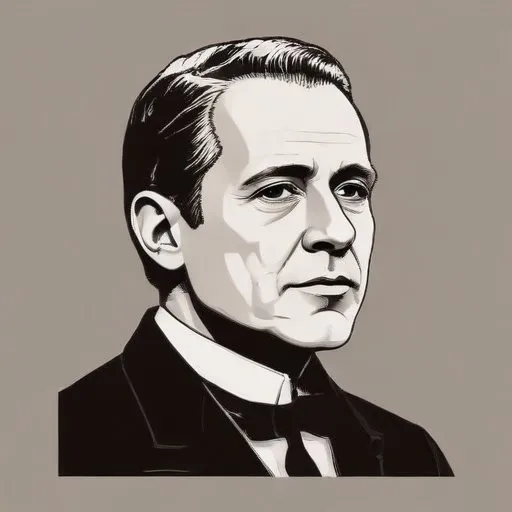
Edwin Fischer: The Pianist and Conductor Who Bridged the Gap Between Tradition and Innovation
Maestro of Musical Interpretation
Edwin Fischer was a renowned Swiss classical pianist and conductor, revered for his profound interpretations of J.S. Bach and Mozart's works. He was one of the first musicians to present music of the Baroque and Classical periods in a historically accurate way, paving the way for future generations of musicians.
Early Life and Education
Born in Basel, Switzerland on October 6, 1886, Fischer began his musical journey under the guidance of Hans Huber. He later continued his studies at the Stern Conservatory in Berlin, where he was mentored by Martin Krause.
Rise to Prominence
Following World War I, Fischer's pianistic talent gained recognition, and he became a sought-after performer. In 1926, he took on the role of conductor for the Lübeck Musikverein, and later, in Munich. This marked the beginning of his distinguished career as a conductor and pianist.
Chamber Orchestra and Historical Accuracy
In 1932, Fischer formed his own chamber orchestra, dedicated to performing music of the Baroque and Classical periods with historical accuracy. Although his approach may not meet modern standards, it was a pioneering effort for its time. Fischer was one of the first to conduct Bach and Mozart concertos from the keyboard, a practice that was unconventional at the time.
Teaching and Legacy
Fischer's teaching career began in 1932, when he succeeded
Artur Schnabel at the Berlin Hochschule für Musik. He went on to mentor notable pianists such as
Alfred Brendel, Helena Sá e Costa, and
Daniel Barenboim, among others. His teachings emphasized the importance of understanding the composer's intentions and the historical context of the music.
Performances and Recordings
Fischer was a prolific performer, known for his solo recitals, concerto performances, and conducting. He also made several recordings, including the first complete recording of Bach's Well-Tempered Clavier for EMI, which was recorded between 1933 and 1936.
Writings and Philosophical Contributions
In addition to his musical pursuits, Fischer was a prolific writer. He published several books on teaching and piano performance, including one on the piano sonatas of Beethoven. His writings reflect his deep understanding of music and his commitment to passing on his knowledge to future generations.
Personal Milestones and Career Highlights
- Formed a renowned piano trio with cellist Enrico Mainardi and violinist Georg Kulenkampff (later replaced by Wolfgang Schneiderhan)
- Conducted the Berlin Philharmonic and other prominent orchestras
- Performed as a soloist with renowned conductors such as Wilhelm Furtwängler and Eugen Papst
- Received critical acclaim for his performances of Bach's Goldberg Variations and Mozart's piano concertos
Legacy and Influence
Edwin Fischer's contributions to the world of classical music are immeasurable. He bridged the gap between tradition and innovation, paving the way for future generations of musicians. His emphasis on historical accuracy, musical understanding, and technical mastery continues to inspire pianists and conductors today.
Quotes and Memorable Sayings
- "The task of the performer is to serve the music, not to draw attention to himself."
- "The true artist is one who is humble, and knows that he is only a vessel for the music."
Historical Context and Legacy
Edwin Fischer's life and career spanned a tumultuous period in European history, from the outbreak of World War I to the aftermath of World War II. Despite the challenges he faced, Fischer remained dedicated to his craft, leaving behind a legacy that continues to inspire and influence musicians today.
FAQ
What was Edwin Fischers contribution to classical music?
Edwin Fischer was a Swiss pianist and conductor who made significant contributions to classical music, particularly in the interpretation of Bach, Mozart, and Beethoven.
What is Edwin Fischers most notable recording?
Edwin Fischers most notable recording is his 1935 recording of Bachs Goldberg Variations, which is still considered a benchmark for pianists today.
How did Edwin Fischers approach to performance influence his students?
Edwin Fischers approach to performance, characterized by his emphasis on simplicity, clarity, and nuance, had a profound influence on his students, including legendary pianists such as Alfred Brendel.
What was Edwin Fischers role in the development of the Lucerne Festival?
Edwin Fischer was a co-founder of the Lucerne Festival, which he helped establish in 1938. He served as the festivals artistic director until his death in 1960.
How is Edwin Fischer remembered in the world of classical music?
Edwin Fischer is remembered as one of the greatest pianists of the 20th century, celebrated for his unique interpretive insights, technical mastery, and commitment to the classical music tradition.