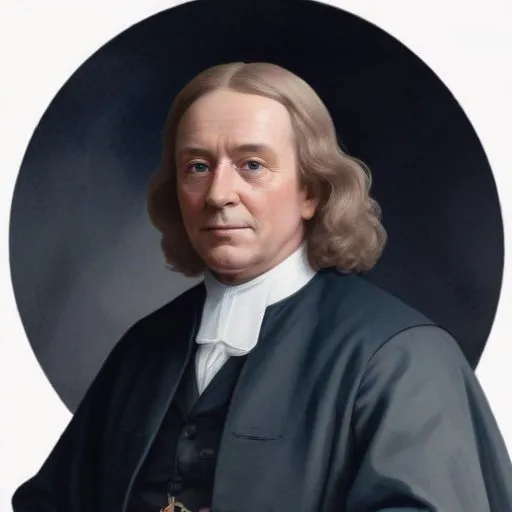
Elias Ashmole: The Pioneering Antiquary and Founder of the Ashmolean Museum
A Life of Discovery and Curiosity
Elias Ashmole, a 17th-century English antiquary, politician, and officer of arms, is best known for founding the Ashmolean Museum, Britain's first public museum, and his vast contributions to the fields of history, numismatics, chorography, alchemy, astrology, astronomy, and botany. Ashmole's tireless pursuit of knowledge and his passion for collecting curiosities and artefacts have left an indelible mark on the world of antiquarianism and beyond.
Early Life and Education
Born on 23 May 1617 in Breadmarket Street, Lichfield, Staffordshire, Ashmole came from a prominent family that had seen better days. His mother, Anne, was the daughter of a wealthy Coventry draper, while his father, Simon Ashmole, was a saddler who had served as a soldier in Ireland and Europe. Ashmole attended Lichfield Grammar School (now King
Edward VI School) and became a chorister at Lichfield Cathedral.
Legal Career and Royalist Ties
In 1633, Ashmole moved to London to live with his relative,
James Paget, a Baron of the Exchequer. With Paget's help, Ashmole qualified as a solicitor in 1638 and went on to enjoy a successful legal practice in London. During the English Civil War, Ashmole supported the royalist cause and was rewarded with several lucrative offices at the Restoration of Charles II.
Ashmole's Intellectual Pursuits
Ashmole's true passion lay in the pursuit of knowledge and understanding the natural world. His library reflected his intellectual outlook, featuring works on English history, law, numismatics, chorography, alchemy, astrology, astronomy, and botany. He was an early freemason, although the extent of his involvement and commitment remains unclear.
The Ashmolean Museum and Legacy
Ashmole's most enduring legacy is the Ashmolean Museum, which he founded in 1683 by donating his vast collection of curiosities, antiquarian library, and priceless manuscripts to the University of Oxford. This generosity created Britain's first public museum, an institution that continues to inspire and educate to this day.
Personal Milestones and Key Life Events
- 1617: Born on 23 May in Lichfield, Staffordshire
- 1633: Moved to London to live with James Paget
- 1638: Qualified as a solicitor
- 1640s: Supported the royalist cause during the English Civil War
- 1660s: Rewarded with lucrative offices at the Restoration of Charles II
- 1683: Founded the Ashmolean Museum by donating his collection and library to the University of Oxford
- 1692: Died on 18 May
Philosophical Contributions and Beliefs
Ashmole's work embodied a strong Baconian approach, emphasizing the study of nature and the importance of empirical evidence. His fascination with alchemy and astrology reflected his desire to understand the mysteries of the natural world and the human experience.
Impact on Modern Society
Ashmole's contributions to the fields of antiquarianism, history, and science have had a lasting impact on modern society. The Ashmolean Museum continues to inspire generations of scholars, researchers, and enthusiasts, serving as a testament to the power of curiosity and the pursuit of knowledge.
FAQ
What is Elias Ashmoles most significant contribution to the field of astrology?
Elias Ashmoles most significant contribution to the field of astrology is his work Theatrum Chemicum Britannicum, which provides a comprehensive overview of alchemy and astrology in 17th-century England.
How did Elias Ashmoles interest in alchemy influence his astrological studies?
Elias Ashmoles interest in alchemy significantly influenced his astrological studies, as he believed that alchemy and astrology were interconnected and essential for understanding the natural world.
What role did Elias Ashmole play in the development of modern astronomy?
Elias Ashmole played a significant role in the development of modern astronomy, as his work on astrology and alchemy laid the foundation for later scientific discoveries in the field of astronomy.
What is Elias Ashmoles connection to the Royal Society?
Elias Ashmole was one of the founding members of the Royal Society, a prestigious scientific organization established in 1660 to promote scientific inquiry and experimentation.
What is Elias Ashmoles legacy in the field of astrology?
Elias Ashmoles legacy in the field of astrology is that of a pioneer, as his work introduced new ideas and approaches that shaped the development of modern astrology.