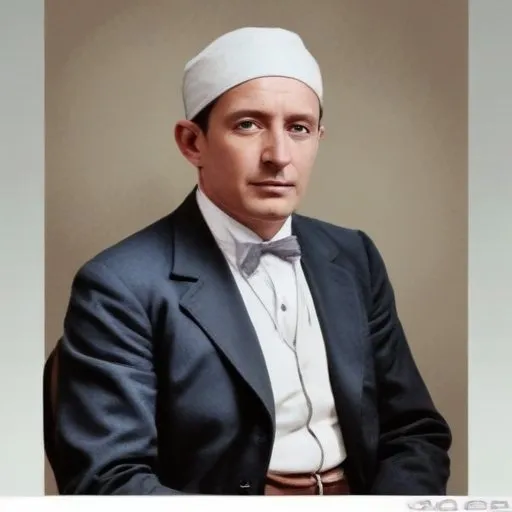
Sir James Paget: A Pioneer in Medical Pathology
A Legacy of Discovery
Sir James Paget, a renowned English surgeon and pathologist, is best known for his groundbreaking work in the field of medical pathology, particularly in the discovery of Paget's disease. Alongside
Rudolf Virchow, Paget is considered one of the founders of scientific medical pathology, leaving an indelible mark on the medical community.
Early Life and Education
Born on January 11, 1814, in Great Yarmouth, England, Paget was the son of Samuel Paget, a brewer and shipowner, and his wife, Sarah Elizabeth Tolver. He was one of a large family, and his brother, Sir George Edward Paget, would also go on to have a distinguished career in medicine. Paget attended a day school in Yarmouth before being apprenticed to a general practitioner at the age of 16. During his apprenticeship, he developed a passion for botany, making a significant collection of the flora of East Norfolk.
A Career of Innovation
In 1834, Paget entered St Bartholomew's Hospital in London as a student, where he made a significant impact on the medical community. He is credited with describing the first journal club, a concept that would revolutionize the way medical professionals shared knowledge. Paget's most famous works include
Lectures on Tumours (1851) and
Lectures on Surgical Pathology (1853), which solidified his reputation as a leading authority in medical pathology.
Medical Contributions
Paget's contributions to medical science are vast and varied. He is credited with discovering and naming several medical conditions, including:
- Paget's disease of bone
- Paget's disease of the nipple (a form of intraductal breast cancer)
- Extramammary Paget's disease (a group of rare skin lesions affecting the male and female genitalia)
- Paget-Schroetter disease
- Paget's abscess (a recurring abscess at the site of a former abscess)
Awards and Honors
Paget's contributions to medical science were recognized with numerous awards and honors, including:
- Fellow of the Royal Society (FRS)
- Fellow of the Royal Society of Edinburgh (FRSE)
- 1st Baronet of Cranmore Hall, Norfolk
Legacy
Sir James Paget's legacy extends far beyond his numerous medical contributions. He is remembered as a pioneer in medical pathology, paving the way for future generations of medical professionals. His work has had a lasting impact on the medical community, cementing his place as one of the most influential figures in the history of medicine.
Throughout his life, Paget remained dedicated to his craft, leaving behind a body of work that continues to inspire and inform medical professionals to this day. His legacy serves as a testament to the power of innovation and dedication in the pursuit of medical knowledge.
FAQ
What were James Pagets contributions to the field of surgery?
James Paget made significant contributions to the field of surgery, particularly in the areas of orthopedics and neurosurgery. He is best known for his work on the treatment of clubfoot and his innovative surgical techniques.
How did James Pagets work influence the development of modern surgery?
James Pagets work built on the discoveries of earlier surgeons and paved the way for later innovations in the field. His contributions to orthopedics and neurosurgery were particularly significant, as they enabled surgeons to treat a range of complex conditions.
What was James Pagets role in the development of St. Bartholomews Hospital?
James Paget was a prominent surgeon at St. Bartholomews Hospital, where he worked to improve surgical techniques and patient care. He was also a teacher and mentor to many young surgeons.
How did James Pagets work impact the treatment of orthopedic conditions?
James Pagets work on the treatment of clubfoot and other orthopedic conditions led to significant advances in the field. His innovative surgical techniques enabled surgeons to treat a range of complex conditions and improve patient outcomes.
What is James Pagets legacy in surgery?
James Pagets legacy in surgery is marked by his innovative and influential work in the fields of orthopedics and neurosurgery. He is remembered as a pioneer in the development of modern surgical techniques and a dedicated advocate for improved patient care.