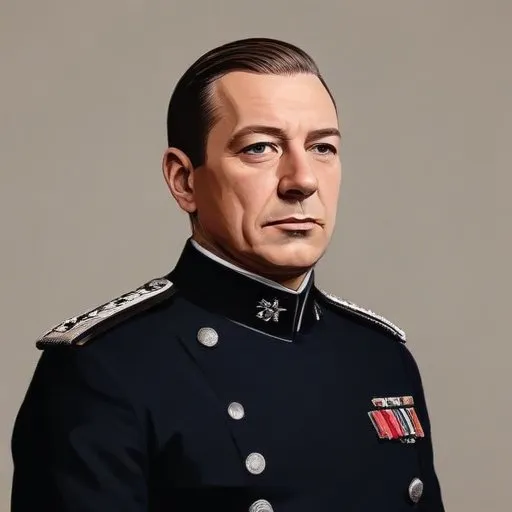
Erich von dem Bach-Zelewski: The Notorious SS Commander
The Enforcer of Nazi Terror
Erich von dem Bach-Zelewski was a high-ranking SS commander of Nazi Germany, notorious for his role in perpetuating atrocities against civilians during World War II. As the leader of the Nazi security warfare, he was responsible for suppressing ideological enemies and perceived threats to the Nazi regime, resulting in numerous war crimes and crimes against humanity.
Early Life and Family
Born on March 1, 1899, in Lauenburg, Bach-Zelewski was of Kashubian-Polish origin. His father, Otto Johannes von Zelewski, was an officer and farmer from an impoverished family of landed gentry. Bach-Zelewski's family had strong ties to the Roman Catholic Church in Linde, but he later joined a Protestant church. After his father's death in 1911, Bach-Zelewski and his six siblings grew up in relative poverty in Bialla, East Prussia.
Rise to Power
Bach-Zelewski's military career began in 1930 when he joined the Nazi Party. He quickly rose through the ranks, becoming an SS-Gruppenführer (equivalent to a lieutenant general) in 1933. By 1940, he was appointed as the Higher SS and Police Leader for the Silesia region.
War Crimes and Atrocities
Bach-Zelewski's darkest legacy is his involvement in numerous war crimes and atrocities. He was responsible for the brutal suppression of the Warsaw Uprising in 1944, which resulted in the deaths of tens of thousands of civilians. Additionally, he played a significant role in the Nazi's security warfare against perceived enemies, including Jews, communists, and other minority groups.
Post-War Trial and Conviction
After the war, Bach-Zelewski was arrested and put on trial for his role in the Nazi regime. Despite being responsible for numerous war crimes, he was not tried at the Nuremberg Trials. Instead, he appeared as a witness for the prosecution. In 1951, he was convicted of politically motivated murders committed before the war and sentenced to life imprisonment. Bach-Zelewski died in prison on March 8, 1972.
Legacy of Evil
Erich von dem Bach-Zelewski's legacy is one of terror, violence, and oppression. His actions and beliefs contributed to the Nazi regime's brutal suppression of innocent lives. As a symbol of the darkest aspects of human nature, Bach-Zelewski's story serves as a reminder of the importance of upholding human rights and condemning ideologies that promote hate and violence.
Quotes and Memorable Sayings
- "The only way to deal with the Polish problem is to exterminate them." - Erich von dem Bach-Zelewski
Historical Context and Legacy
Bach-Zelewski's actions cannot be viewed in isolation from the larger context of the Nazi regime's ideology and atrocities. His brutal suppression of civilians and perceived enemies was a symptom of a larger disease that afflicted Europe during World War II. As we reflect on his legacy, we must remember the importance of condemning hate, promoting tolerance, and upholding human rights.
FAQ
What was Erich von dem Bach-Zelewskis role in World War II?
Erich von dem Bach-Zelewski was a high-ranking SS officer during World War II, responsible for implementing the Nazi regimes brutal policies in Eastern Europe, including the suppression of partisan movements and the Holocaust.
What were Erich von dem Bach-Zelewskis war crimes?
Erich von dem Bach-Zelewski was accused of war crimes, including the massacre of civilians, the destruction of villages, and the murder of Jews and other minorities during World War II.
Did Erich von dem Bach-Zelewski face trial for his war crimes?
Erich von dem Bach-Zelewski was captured by the Allies in 1945 and put on trial for his war crimes, but he died in prison in 1972 before his sentence could be carried out.
What was Erich von dem Bach-Zelewskis relationship with Adolf Hitler?
Erich von dem Bach-Zelewski was a loyal supporter of Adolf Hitler and the Nazi regime, and he was rewarded with promotions and decorations for his service, including the Knights Cross of the Iron Cross.
What is Erich von dem Bach-Zelewskis legacy?
Erich von dem Bach-Zelewskis legacy is that of a ruthless and brutal enforcer of the Nazi regimes policies, responsible for immense human suffering and death during World War II.