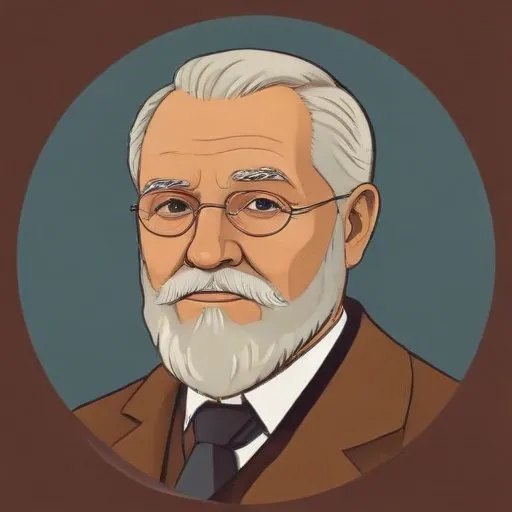
Ernst Curtius: Unveiling the Secrets of Ancient Greece
A Life Devoted to Uncovering the Past
Ernst Curtius, a renowned German archaeologist, historian, and museum director, is best known for his groundbreaking excavations at Olympia, Greece, and his significant contributions to the field of classical archaeology. His tireless efforts to uncover the secrets of ancient Greece have left an indelible mark on the world of archaeology, earning him a reputation as one of the most influential figures in the field.
Early Life and Education
Born on September 2, 1814, in Lübeck, Germany, Curtius was drawn to the world of antiquity from a young age. He pursued his passion for archaeology and history at university, where he was chosen by C.A. Brandis to accompany him on a journey to Greece for archaeological research. This pivotal experience not only shaped his future but also forged a lifelong connection with the land of ancient Greece.
The Quest for Knowledge
Curtius's dedication to his craft led him to become the companion of Karl Otfried Müller, a prominent German philologist and archaeologist, on his exploration of the Peloponnese. Together, they delved into the mysteries of ancient Greece, laying the foundation for Curtius's future excavations at Olympia. When Müller passed away in 1840, Curtius returned to Germany, but his love for Greece only intensified.
A Career Marked by Excellence
Curtius's exceptional skills and knowledge earned him an extraordinary professorship at the University of Berlin in 1844. He later became the tutor to Prince
Frederick William, who would eventually become Emperor
Frederick III. This position not only solidified his reputation but also granted him access to the royal family, a connection that would prove invaluable in his future endeavors.
Olympia: A Dream Realized
On June 10, 1852, Curtius delivered a famous oration on Olympia at the Singakademie in Berlin, igniting a passion for the excavation of Olympia within the royal family and the German government. This pivotal moment marked the beginning of a new chapter in Curtius's life, one that would be defined by his unwavering commitment to uncovering the secrets of ancient Olympia.
Excavations at Olympia
After years of negotiations, Curtius finally reached an agreement with the Greek government in 1874, entrusting Germany with the exclusive right to excavate Olympia. This monumental achievement was a testament to Curtius's perseverance and diplomatic prowess. The excavations that followed not only shed new light on ancient Greece but also earned Curtius international recognition.
Awards and Honors
- Elected International Honorary Member of the American Academy of Arts and Sciences in 1876
- Elected member of the American Antiquarian Society in 1891
- Elected International Member of the American Philosophical Society in 1895
A Lasting Legacy
Ernst Curtius passed away on July 11, 1896, in Berlin, leaving behind a rich legacy that continues to inspire archaeologists and historians worldwide. His groundbreaking excavations at Olympia, his tireless advocacy for the field of classical archaeology, and his unwavering dedication to uncovering the secrets of ancient Greece have cemented his place as one of the most influential archaeologists of his time.
Remembering Curtius
As we reflect on Curtius's remarkable life and achievements, we are reminded of the power of passion, dedication, and perseverance. His legacy serves as a testament to the enduring allure of ancient Greece and the importance of preserving our cultural heritage for generations to come.