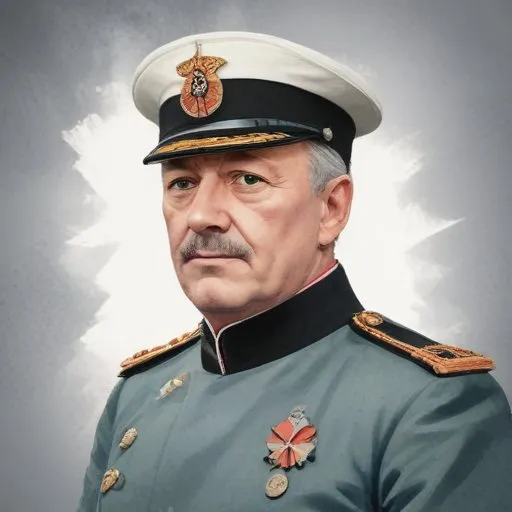
Ernst Günther Schenck: A Complex Figure in Nazi Germany
A Chance Encounter with Adolf Hitler
Ernst Günther Schenck, a German medical doctor, is best known for his historical account of
Adolf Hitler's final days during World War II. Schenck's memoirs, which detail his chance encounter with the Führer, have been instrumental in shaping our understanding of Hitler's life and have been featured prominently in works by Joachim Fest and James P. O'Donnell.
Early Life and Education
Born on October 3, 1904, in Marburg, Hesse-Nassau, Schenck was the son of a professor at Muenster University, who taught classical literature and the humanities. Schenck trained as a doctor and later joined the SS, where he became actively involved in various projects.
The Creation of a Herbal Plantation in Dachau Concentration Camp
One of Schenck's most notable projects was the creation of a large herbal plantation in Dachau concentration camp, which contained over 200,000 medicinal plants. The plantation was intended to produce vitamin supplements for the Waffen-SS, and Schenck was appointed as inspector of nutrition for the SS in 1940.
A Protein Sausage with a Dark Past
In 1943, Schenck developed a protein sausage, which was intended for the SS frontline troops. However, the sausage was tested on 370 prisoners in Mauthausen-Gusen concentration camp, resulting in the deaths of some prisoners due to hunger edema. Schenck maintained that his sole concern was to improve nutrition and fight hunger, but a 1963 report condemned him for treating humans like objects, using them as guinea pigs.
Awards and Controversies
Schenck's service as a battalion physician during the German campaign on the Eastern Front earned him the Iron Cross. However, his association with Erwin Liek's attempts to develop holistic methods to prevent cancer has been met with controversy.
Legacy and Historical Significance
Despite his controversial past, Schenck's memoirs have provided valuable insights into the final days of Adolf Hitler's life. His accounts have been featured in films such as Downfall (2004) and have been instrumental in shaping our understanding of the Führer's life.
Personal Milestones and Key Life Events
- October 3, 1904: Born in Marburg, Hesse-Nassau
- 1940: Appointed as inspector of nutrition for the SS
- 1943: Developed a protein sausage, which was tested on prisoners in Mauthausen-Gusen concentration camp
- 1963: Condemned for treating humans like objects, using them as guinea pigs
- December 21, 1998: Died at the age of 94
Schenck's complex and multifaceted life serves as a testament to the complexities of human nature, highlighting the importance of understanding the nuances of historical figures and their roles in shaping our world.
FAQ
What was Ernst-Günther Schencks role in World War II?
Ernst-Günther Schenck was a German colonel and physician who played a significant role in World War II, particularly during the Battle of Berlin. He was responsible for organizing medical supplies and personnel, and his efforts helped to save countless lives.
What were Ernst-Günther Schencks contributions to medicine?
Ernst-Günther Schenck made significant contributions to the field of medicine, particularly in the area of wound care and treatment. He developed new techniques for treating wounded soldiers, which greatly improved survival rates and reduced infection rates.
What awards did Ernst-Günther Schenck receive for his service?
Ernst-Günther Schenck received several awards for his service during World War II, including the Iron Cross and the War Merit Cross. He was also awarded the title of Honorary Professor of Medicine.
What is Ernst-Günther Schencks legacy in modern medicine?
Ernst-Günther Schencks contributions to medicine have had a lasting impact on modern medical practices. His work on wound care and treatment has influenced the development of new medical technologies and techniques, and he is remembered as a pioneer in the field.
What is Ernst-Günther Schencks most notable publication?
Ernst-Günther Schencks most notable publication is his memoir, Ich sah Pompeji und stirb, which provides a firsthand account of his experiences during World War II and offers valuable insights into the medical and military aspects of the war.