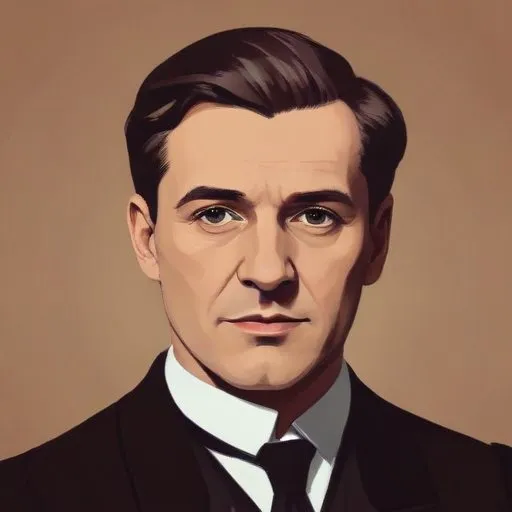
Ernst Heinrich Weber: The Founding Father of Experimental Psychology
A Pioneer in the Realm of Sensation and Touch
Ernst Heinrich Weber, a German physician born on June 24, 1795, is renowned for being one of the founders of experimental psychology. His groundbreaking research on sensation and touch led to new directions and areas of study for future psychologists, physiologists, and anatomists.
Early Life and Education: A Family of Academics
Weber was born into an academic family in Wittenberg, Saxony, Holy Roman Empire. His father, Michael Weber, was a professor of theology at the University of Wittenberg. Ernst's younger brothers, Wilhelm and Eduard, also went on to become influential scientists, specializing in physics and anatomy, respectively. Weber's interest in physics and the sciences was sparked at a young age, thanks to the influence of
Ernst Chladni, a physicist often referred to as the father of acoustics.
University Career: A Lifelong Commitment to Leipzig
Weber spent his entire academic career at the University of Leipzig, where he completed his Habilitation in 1817 and became an assistant in J.C. Clarus's medical clinic. He went on to become a professor of comparative anatomy in 1818 and chair of human anatomy at the university in 1821. Weber's dedication to the university spanned over five decades, until his retirement.
Contributions to Psychology: The Birth of Experimental Methods
Weber's first direct contribution to psychology came in 1834 with the publication of his work, "De Pulsu, Resorptione, Auditu et Tactu. Leipzig 1834," which described the sensation of touch. This marked the beginning of his experimental approach to psychology, which emphasized the importance of good experimental techniques. His work in this area paved the way for future psychologists, physiologists, and anatomists.
Legacy: A Lasting Impact on Modern Psychology
Weber's influence on modern psychology is undeniable. His emphasis on experimental methods and his research on sensation and touch have had a lasting impact on the field. His work continues to inspire new directions and areas of study, solidifying his position as one of the founders of experimental psychology.
Personal Milestones and Key Life Events
- June 24, 1795: Born in Wittenberg, Saxony, Holy Roman Empire
- 1811: Began studying medicine at the University of Wittenberg
- 1815: Received his MD from the University of Halle
- 1817: Completed his Habilitation and became an assistant in J.C. Clarus's medical clinic
- 1818: Became a professor of comparative anatomy
- 1821: Became chair of human anatomy at the University of Leipzig
- 1834: Published "De Pulsu, Resorptione, Auditu et Tactu. Leipzig 1834," marking the beginning of his contributions to psychology
- January 26, 1878: Passed away at the age of 82
Historical Context and Legacy
Weber's work took place during a time of great scientific discovery and development. His contributions to psychology paved the way for future generations of psychologists and scientists, cementing his position as one of the founders of experimental psychology. His legacy continues to inspire new areas of study and research, ensuring his impact will be felt for generations to come.
FAQ
What was Ernst Heinrich Webers contribution to the field of psychology?
Ernst Heinrich Weber was a German physician and psychologist who made significant contributions to the field of psychology. He is best known for his work on the Weber-Fechner law, which describes the relationship between the intensity of a stimulus and its perceived magnitude.
What is the Weber-Fechner law and how does it apply to psychology?
The Weber-Fechner law states that the just-noticeable difference in a stimulus is proportional to the intensity of the stimulus. This law has far-reaching implications for our understanding of human perception and behavior.
What were Ernst Heinrich Webers areas of research focus?
Ernst Heinrich Webers research focused on various areas, including sensory physiology, psychology, and psychiatry. He was particularly interested in the study of human perception, including the perception of touch, pain, and temperature.
How did Ernst Heinrich Webers work influence other scientists?
Ernst Heinrich Webers work had a significant impact on other scientists, including Gustav Fechner, who built upon Webers research to develop the field of psychophysics. His work also influenced the development of modern psychology and neuroscience.
What legacy did Ernst Heinrich Weber leave behind in the field of psychology?
Ernst Heinrich Webers legacy in the field of psychology is profound. He is remembered as one of the founders of modern psychology and his work continues to influence research in perception, cognition, and neuroscience.