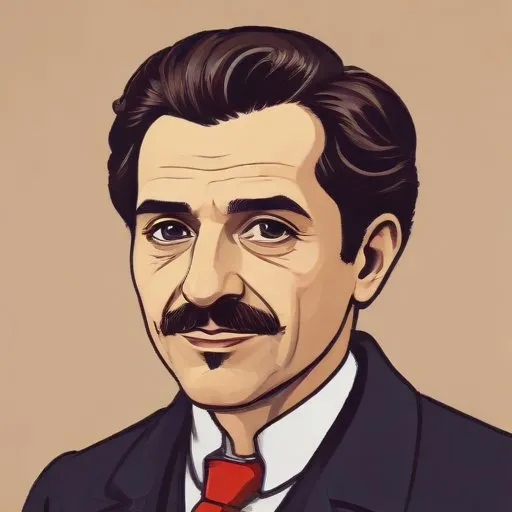
Ernst Moro: The Pioneering Pediatrician Behind the Moro Reflex
A Legacy in Pediatric Medicine
Ernst Moro, an Austrian physician and pediatrician, is renowned for being the first to describe the infant reflex that bears his name – the Moro reflex. This discovery has had a profound impact on the field of pediatric medicine, shaping our understanding of infant development and behavior.
A Life of Academic Pursuits
Born on December 8, 1874, in Laibach, Duchy of Carniola, Austria-Hungary (now Ljubljana, Slovenia), Moro's academic journey began in Graz, Austria, where he earned his M.D. in 1899. He then worked with
Theodor Escherich, the discoverer of the Escherichia coli bacterium, in Vienna from 1901 to 1902. Moro's expertise in pediatrics was further solidified when he earned his habilitation in Munich in 1906 and became a professor of pediatrics at the University of Heidelberg in 1911.
Pioneering Contributions
Moro's groundbreaking work extends beyond the Moro reflex. Some of his notable achievements include:
- Proving the sterility of the normal small intestine
- Discovering that breastfed children have stronger bactericidal activity in their blood than bottle-fed ones
- First describing the irritable colon syndrome or recurrent abdominal pain (Nabelkoliken) in children
- Isolating the bacterium Lactobacillus acidophilus from the stomach of children, which is caused by the souring of milk products
- Developing the Moro test, a percutaneous tuberculin reaction
- Coining the terms "first trimester" and "biological spring"
Innovative Interventions
Moro's dedication to improving infant health led to the creation of innovative solutions, including:
- Moro's milk, an infant-feeding formula composed of full cream milk with added flour, butter, and sugar
- Professor Moro's Carrot soup, which dramatically decreased the death rate of babies from diarrhea in Germany
- His later famous apple diet, which aimed to cure diarrhea symptoms
A Life of Quiet Courage
In 1936, after the Nazis came to power, Moro resigned from his chair at the University of Heidelberg, citing health reasons. However, it is believed that his true motive was to avoid persecution due to his marriage to Grete Moro, who was of Jewish origin. Moro continued to practice medicine, establishing a private clinic in Heidelberg, where a commemorative plaque now honors his legacy.
A Lasting Legacy
Ernst Moro's contributions to pediatric medicine have had a profound and lasting impact on our understanding of infant development and behavior. His commitment to improving infant health and his innovative interventions continue to inspire generations of pediatricians and researchers. As we reflect on his remarkable life and work, we are reminded of the power of dedication, compassion, and quiet courage.
FAQ
What is the significance of Ernst Moros reflux theory?
Ernst Moros reflux theory revolutionized the understanding of infant digestion and led to significant advances in pediatric care. His work improved the treatment of infant reflux and related conditions.
How did Ernst Moro contribute to the field of pediatrics?
Moro made significant contributions to the field of pediatrics, including the development of new diagnostic techniques and treatments for infant health issues. His work improved the health outcomes of countless children.
What is the Moro reflex and how does it relate to infant development?
The Moro reflex is a natural response in infants to a sudden change in their environment. Moros work on this reflex helped to shed light on infant development and behavior.
How did Ernst Moros work impact the understanding of infant nutrition?
Moros research on infant nutrition led to a greater understanding of the importance of proper nutrition for infant health and development. His work informed the development of infant feeding guidelines and nutrition recommendations.
What is the lasting impact of Ernst Moros work on pediatric care?
Moros contributions to pediatric care have had a lasting impact on the field. His work continues to influence pediatric research, treatment, and care to this day.