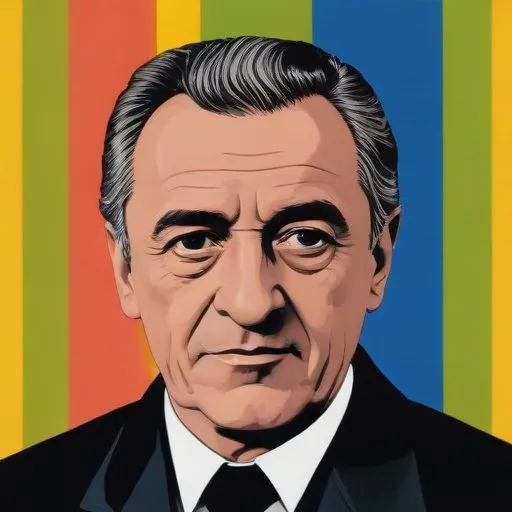
Ferdinand Buisson: A Champion of Secular Education and Human Rights
The Early Years
Ferdinand Buisson, a renowned French educational bureaucrat, pacifist, and Radical-Socialist left liberal politician, is best known for his unwavering commitment to secular education and human rights. Born on December 20, 1841, Buisson was a prominent figure in French politics and education, who dedicated his life to promoting the values of laïcité (secularism) and social justice.
A Life of Activism
Buisson's academic career began at the Lyce Condorcet, where he studied philosophy. He later received his agrégation in philosophy and became a professor at the University of Neuchâtel in Switzerland. During the Second Empire, he voluntarily went into exile in Switzerland from 1866 to 1870, refusing to swear allegiance to the new government. This act of defiance was a testament to his strong convictions and marked the beginning of his lifelong struggle for social justice and human rights.
The Fight for Secular Education
Buisson's most notable achievement was his fight for secular education through the League of Education, which he presided over from 1902 to 1906. He famously coined the term "laïcité" (secularism) and championed the cause of separating church and state. In 1905, he chaired the parliamentary committee to implement the separation of church and state, a landmark victory for secularism in France.
Human Rights and the Nobel Peace Prize
Buisson's commitment to human rights was recognized globally when he was awarded the Nobel Peace Prize in 1927, jointly with
Ludwig Quidde. As the president of the Human Rights League (LDH) from 1914 to 1926, he played a crucial role in promoting human rights and combating social injustice.
Philosophical Contributions and Beliefs
Buisson's philosophical contributions were shaped by his liberal Protestant background. He was deeply influenced by the writings of Sebastian Castellio, a liberal Protestant whom he saw as a kindred spirit. Buisson's own philosophical beliefs were rooted in the values of freedom, equality, and social justice.
Major Works and Legacy
Buisson's major works include his thesis on Sebastian Castellio and his writings on laïcité and secular education. His legacy is a testament to his unwavering commitment to social justice and human rights. Through his activism and writings, he inspired generations of educators, politicians, and social activists to strive for a more just and equitable society.
Personal Milestones and Key Life Events
- 1866-1870: Voluntary exile in Switzerland under the Second Empire
- 1870: Return to France and involvement in political and social initiatives
- 1902-1906: President of the League of Education
- 1905: Chair of the parliamentary committee to implement the separation of church and state
- 1914-1926: President of the Human Rights League (LDH)
- 1927: Awarded the Nobel Peace Prize jointly with Ludwig Quidde
Controversies and Public Perception
Buisson's advocacy for secular education and human rights was not without controversy. He faced opposition from the Catholic Church and conservative groups who saw him as a threat to traditional values. Despite these challenges, he remained steadfast in his convictions and continued to champion the cause of social justice and human rights.
Influence on Modern Society
Buisson's influence on modern society is profound. His fight for secular education and human rights paved the way for future generations of social activists and politicians. His legacy continues to inspire people around the world to strive for a more just and equitable society.
FAQ
What is Ferdinand Buisson known for in French history?
Ferdinand Buisson was a French academic and politician, known for his role in promoting education and pacifism in France. He was a key figure in the development of the French education system and was awarded the Nobel Peace Prize in 1927 for his efforts to promote international cooperation and understanding.
What was Ferdinand Buissons role in French education?
Buisson played a significant role in the development of the French education system, serving as the Director of Primary Education and promoting the importance of secular education. He was also a strong advocate for womens education and equality.
What inspired Ferdinand Buissons commitment to pacifism?
Buissons commitment to pacifism was inspired by his experiences in World War I and his desire to promote international cooperation and understanding. He believed that education was key to promoting peace and reducing conflict.
Did Ferdinand Buisson receive any notable awards or recognition?
In addition to the Nobel Peace Prize, Buisson received several awards and recognition for his contributions to education and peace, including honorary degrees from prominent universities and the title of Grand Officier de la Légion dHonneur.
How did Ferdinand Buissons work impact French society and politics?
Buissons work had a lasting impact on French society and politics, contributing to the development of a more secular and equitable education system. His commitment to pacifism also influenced the French governments approach to international relations and conflict resolution.