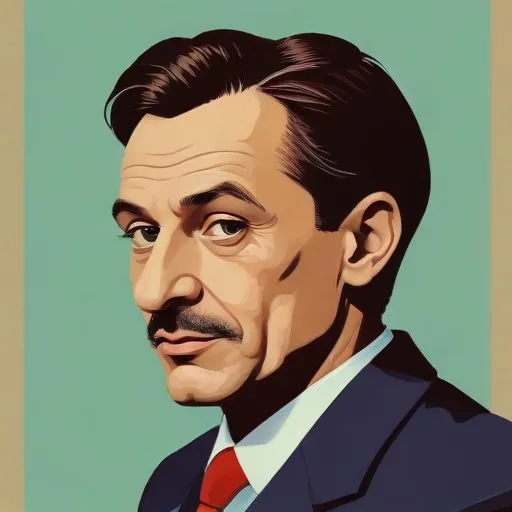
Ferenc Snta: A Renaissance Man of Hungarian Literature and Film
A Prolific Novelist and Screenwriter
Ferenc Snta was a Hungarian novelist and film screenwriter, renowned for his extraordinary literary and cinematic contributions. He is best known for his thought-provoking novels and screenplays that explored the human condition, earning him numerous prestigious awards and accolades.
Early Life and Career
Born on September 4, 1927, in Braov, Hungary, Snta grew up in a cultural hotbed that nurtured his creative inclinations. He began his writing career in the 1950s, a period marked by significant social and political change in Hungary. This tumultuous backdrop influenced his writing style, which often delved into the complexities of human nature and society.
Notable Works and Adaptations
Snta's literary legacy is epitomized by his novels, many of which were adapted into films. Some of his most notable works include:
- Sokan voltunk (1954), a novel that critically examined the role of individuals in society.
- Tli virgzs (1956), a poignant exploration of the human experience during times of war.
- Farkasok a kszbn (1961), a novel that probed the intersections of morality and power.
- Az tdik pecst (1963), a thought-provoking examination of the human condition, which was later adapted into a film.
Awards and Recognition
Snta's contributions to Hungarian literature and film were recognized with numerous awards, including:
- The Jzsef Attila Prize (1956 and 1964)
- The Kossuth Prize (1973), Hungary's highest cultural honor
- The Arany Nimfa Prize (1970) at the Monte Carlo International Television Festival
- The Magyar Kztrsasgi rdemrend Tisztikeresztje (1993)
- The Hazm Prize (2004) and the Magyar Muvszetrt Prize (2004)
Filmography and Cinematic Legacy
Snta's screenplays were often adapted into films that garnered international acclaim. Two of his most notable film adaptations include:
- Hsz ra (1965), based on his novel of the same name, which won the Grand Prix at the Moscow International Film Festival and the UNICRIT Award at the Venice Film Festival.
- Az tdik pecst (1976), which won the Golden Prize at the Moscow International Film Festival and was nominated for the Golden Berlin Bear at the Berlin International Film Festival.
Legacy and Impact
Ferenc Snta's literary and cinematic contributions have left an indelible mark on Hungarian culture. His works continue to inspire new generations of writers, filmmakers, and artists, ensuring his legacy as a master storyteller and chronicler of the human experience.
FAQ
What is Ferenc Sánta known for?
Ferenc Sánta is a renowned Hungarian author and screenwriter, best known for his work in the Hungarian film industry. His screenplays have been adapted into numerous films and have received critical acclaim.
What are some notable works of Ferenc Sánta?
Some of Ferenc Sántas notable works include The Round-Up and The Red and the White, both of which have been adapted into films. His writing often explores themes of Hungarian history and culture.
What awards has Ferenc Sánta won?
Ferenc Sánta has won several awards for his work, including the Kossuth Prize, which is one of Hungarys highest honors. He has also received awards for his screenwriting and literary contributions.
Is Ferenc Sánta still active in the film industry?
While Ferenc Sánta is still alive, he is no longer actively involved in the film industry. However, his legacy continues to be celebrated through his body of work and his contributions to Hungarian cinema.
How does Ferenc Sántas work reflect Hungarian culture?
Ferenc Sántas work is deeply rooted in Hungarian culture and history. His writing often explores themes of national identity, folklore, and the countrys complex past.