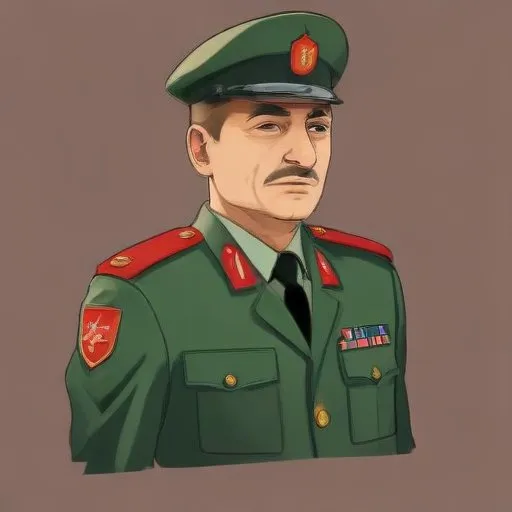
Fidl Plffy: The Controversial Hungarian Nobleman Who Embraced Nazism
A Life of Turmoil and Treachery
Fidl Plffy, a Hungarian nobleman, is infamous for his unwavering support of Nazism in Hungary, which ultimately led to his downfall. Born on May 6, 1895, Plffy's life was marked by controversy, treason, and collaboration with the enemy.
Early Life and Military Service
Plffy served in World War I, an experience that would shape his political ideology in the years to come. After the war, he lived on an estate in Czechoslovakia before returning to Hungary. However, the Great Depression of 1929 left him bankrupt, setting the stage for his eventual descent into extremism.
The Rise of Nazism in Hungary
In 1933, Plffy founded the Hungarian National Socialist Party, which merged with similar groups under
Sándor Festetics and Zoltán Meskó. By 1935, Plffy had taken control of the party, but it failed to gain traction as support shifted to Gyula Gömbös. Undeterred, Plffy turned to Germany and became an agent of the RSHA (Reich Security Main Office), solidifying his allegiance to the Nazi regime.
A Career of Collaboration and Betrayal
Plffy's treachery reached new heights as he worked with László Baky and Ferenc Szálasi to launch a pro-German party. In 1941, he relaunched the Hungarian National Socialist Party with Baky, although it was considered less extreme than the Arrow Cross Party. As Minister of Agriculture during the period of Nazi dominance, Plffy was responsible for implementing policies that facilitated the atrocities committed during World War II.
Trial and Execution
In the aftermath of the war, Plffy was held accountable for his crimes. He was put on trial, found guilty of collaboration, and sentenced to death. On March 2, 1946, Plffy was hanged for treason, becoming one of the first members of the government to face justice.
A Legacy of Controversy
Plffy's execution sparked controversy due to the lack of concrete evidence linking him to specific crimes. Despite this, his pro-Nazi writings and membership in Szálasi's government sealed his fate. As a member of one of Hungary's leading noble families, Plffy's downfall served as a cautionary tale about the dangers of extremism and collaboration with oppressive regimes.
Philosophical Contributions and Beliefs
Plffy's unwavering support of Nazism raises important questions about the allure of authoritarianism and the dangers of unchecked nationalism. His actions serve as a reminder of the devastating consequences of ideologically driven extremes and the importance of holding individuals accountable for their actions.
Influence on Modern Society
Plffy's legacy serves as a warning about the dangers of extremism and the importance of promoting tolerance, understanding, and human rights. His story highlights the need for vigilance in the face of authoritarianism and the importance of upholding democratic values.
Historical Context and Legacy
Fidl Plffy's life and death serve as a stark reminder of the devastating consequences of World War II and the importance of learning from the past. His story is a testament to the enduring power of justice and the need for societies to hold individuals accountable for their actions.
FAQ
What was Fidél Pálffys role in Hungarian politics?
Fidél Pálffy was a Hungarian soldier and politician who served as the Hungarian Minister of Agriculture, playing a key role in shaping the countrys agricultural policies.
What were Fidél Pálffys military achievements?
Fidél Pálffy was a decorated soldier who fought in several battles, including World War I, and rose to the rank of colonel.
What was Fidél Pálffys stance on agricultural reform?
Fidél Pálffy was a strong advocate for agricultural reform, pushing for modernization and innovation in Hungarys agricultural sector.
What was Fidél Pálffys contribution to Hungarian society?
Fidél Pálffy was a respected figure in Hungarian society, known for his commitment to public service and his efforts to improve the lives of Hungarian citizens.
What was Fidél Pálffys legacy in Hungarian history?
Fidél Pálffy left a lasting legacy in Hungarian history, remembered for his dedicated service to his country and his contributions to the development of Hungarys agricultural sector.