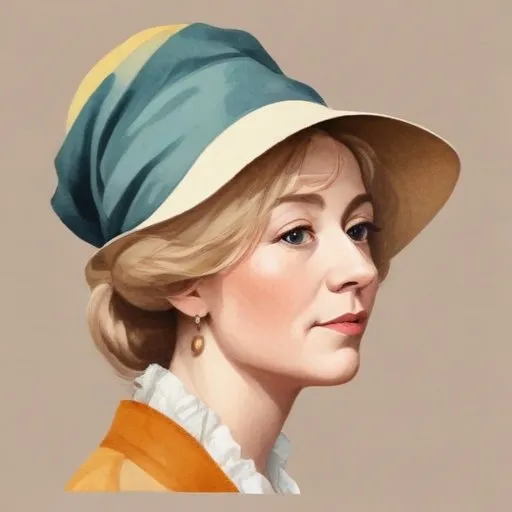
Frances Burney: The Satirical Novelist and Diarist of 18th Century England
A Trailblazing Writer of Manners and Satire
Frances Burney, also known as Fanny Burney and later Madame d'Arblay, is renowned for her witty and insightful novels, diaries, and plays that offer a satirical commentary on the English aristocracy of the 18th century. Her works, marked by their unique narrative style and comic strengths, have earned her a reputation as a pioneering female writer of her time.
Early Life and Literary Beginnings
Born on June 13, 1752, Frances was the daughter of Charles Burney, a musician and historian, and Esther Burney. Growing up in a family that valued education and literature, Frances developed a passion for writing from an early age. She began writing journals and plays as a young girl, but it was not until the publication of her first novel,
Evelina, in 1778 that she gained widespread recognition.
Literary Career and Major Works
Evelina, written anonymously, was a groundbreaking novel that explores the life of a young aristocrat in 18th-century England. The novel's success was immediate, and it established Frances as a leading satirical novelist of her time. She went on to write three more novels:
Cecilia (1782),
Camilla (1796), and
The Wanderer (1814). Her novels are characterized by their witty dialogue, strong female protagonists, and nuanced exploration of social class and identity.
Personal Life and Experiences
In 1786, Frances was appointed as the Keeper of the Robes to Queen Charlotte, a position she held for four years. During this time, she developed close relationships with the royal family and gained valuable insights into the lives of the aristocracy. In 1793, she married General Alexandre d'Arblay, a French émigré, and the couple moved to France, where they lived for over a decade.
Legacy and Influence
Frances Burney's contributions to English literature are significant, and her influence can be seen in the works of later novelists such as
Jane Austen and
William Makepeace Thackeray. Her novels, with their biting satire and nuanced exploration of social class, paved the way for future generations of writers. Her diaries and journals, published posthumously, offer a unique insight into the lives of 18th-century women and the tumultuous times in which she lived.
Quotes and Memorable Sayings
- "The world is too much for us, till we know how to make it right." - From Cecilia
- "It is not every body who can write, or who can be a lady; but every body may be a Christian." - From her diary (1778)
Historical Context and Legacy
Frances Burney's life and works are a testament to the changing social and cultural landscape of 18th-century England. Her writings offer a unique perspective on the lives of women, the aristocracy, and the French Revolution. Today, she is recognized as a pioneering female writer, and her works continue to be celebrated for their wit, insight, and literary merit.
Awards and Honors
Frances Burney's contributions to English literature have been recognized with several awards and honors, including:
- Inducted into the English Heritage blue plaque scheme (1976)
- Featured on a UK postage stamp (1982)
Conclusion
Frances Burney's life and works are a testament to her wit, intelligence, and literary talent. Her novels, diaries, and plays offer a unique insight into the lives of 18th-century women and the social and cultural landscape of her time. As a pioneering female writer, her legacy continues to inspire and influence writers to this day.
FAQ
What was Frances Burneys contribution to English literature?
Frances Burney was an English novelist and playwright who made significant contributions to the development of English literature. Her novels, such as Evelina and Cecilia, are considered classics of the 18th century.
What was Frances Burneys role in the development of the novel?
Frances Burney was a pioneering novelist who helped to develop the genre of the novel. Her works were influenced by the literary traditions of the 18th century, but she also innovated and experimented with new forms and styles.
What were Frances Burneys views on womens roles in society?
Frances Burney was a strong advocate for womens rights and education. She believed that women should have equal opportunities and that they should be treated as equals in society.
What was Frances Burneys relationship like with her family?
Frances Burney was close to her family, particularly her father, Charles Burney. He was a musician and a musicologist, and Frances was influenced by his love of music and his intellectual curiosity.
What is Frances Burneys legacy today?
Frances Burneys legacy today is as a pioneering novelist and playwright who contributed significantly to the development of English literature. She is remembered as a talented writer and a strong advocate for womens rights.