


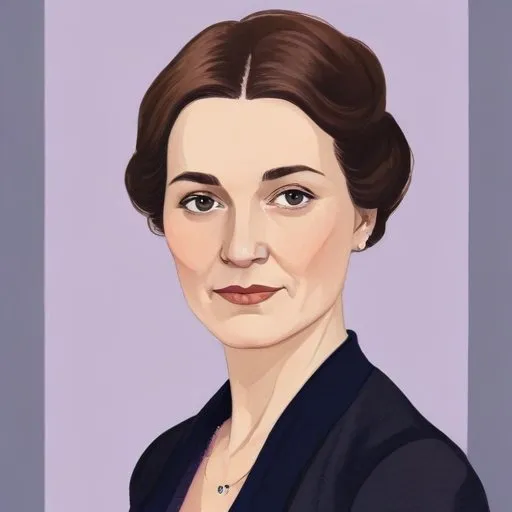
A pioneering social reformer and women's rights advocate, known for her radical ideas on education, religion, and gender equality, and her influential writings on these topics.
Frances Wright, a Scottish-born American, was a pioneering figure in the fight for social reform, human rights, and women's emancipation. As a fierce lecturer, writer, and freethinker, she dared to challenge the status quo, advocating for radical changes in education, slavery, and women's rights, earning her a reputation as a true champion of progress.
Born on September 6, 1795, in Dundee, Scotland, Wright's life was marked by a passion for social justice and a willingness to challenge the establishment. Her activism took her to the United States, where she became a naturalized citizen in 1825 and founded the Nashoba Commune in Tennessee, a utopian community aimed at preparing slaves for emancipation.
Wright's tireless efforts to promote social reform led to her becoming one of the first women in America to speak publicly about politics and social issues before mixed audiences. Her advocacy for universal education, the abolition of slavery, birth control, and equal rights for women and men alike made her a lightning rod for controversy and criticism.
Wright was not only a powerful orator but also a prolific writer. Her travel memoir, Views of Society and Manners in America (1821), offered a scathing critique of American society and its institutions, while her pamphlet, A Plan for the Gradual Abolition of Slavery in the United States Without Danger of Loss to the Citizens of the South (1825), proposed a radical solution to the slavery question.
As a co-editor of The New Harmony and Nashoba Gazette, Wright worked alongside Robert Dale Owen to promote social reform and utopian ideals. Her writing and activism inspired a generation of thinkers and activists, earning her a place among the most influential women of her time.
Wright's unflinching commitment to social reform and human rights often led to controversy and criticism. The clergy and press vilified her as a radical and a threat to traditional values. Despite the backlash, Wright remained steadfast in her convictions, inspiring a movement of women and men who sought to challenge the status quo and create a more just society.
Today, Frances Wright is remembered as a pioneering figure in the fight for human rights, social reform, and women's emancipation. Her legacy serves as a testament to the power of courage and conviction in the pursuit of a more just and equitable world.
Born in 1759
A pioneering advocate for women's rights and education, this 18th-century thinker wrote influential works that shaped feminist philosophy and literature.
Born in 1797
Author of Gothic novels, particularly the iconic "Frankenstein", which has become a cultural phenomenon and influenced countless adaptations and reinterpretations.
Born in 1815
Pioneering women's rights activist who led the women's suffrage movement, fighting for women's right to vote and own property.
Born in 1820
Pioneering figure in the women's suffrage movement, fighting for women's right to vote and own property. Her tireless efforts led to significant advancements in women's rights.
Born in 1793
A pioneering Quaker minister and women's rights activist who fought for abolition and women's suffrage, playing a key role in the Seneca Falls Convention.
Born in 1756
A pioneering anarchist philosopher who wrote influential works on politics, morality, and individualism, shaping modern thought on liberty and social justice.
Born in 1771
A pioneering figure in social reform, he advocated for better working conditions, education, and welfare for the working class, pioneering the concept of social responsibility in business.
