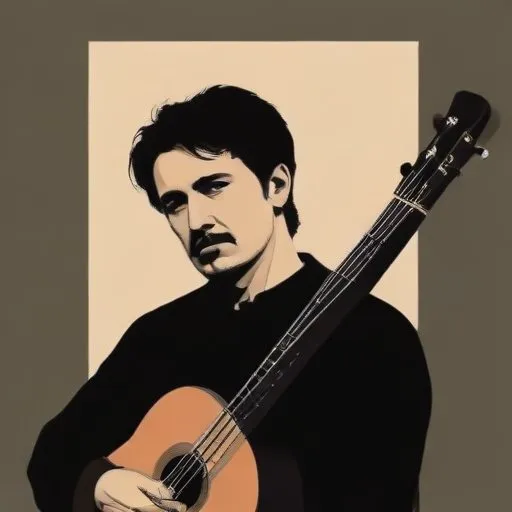
Francesco Rasi: The Renowned Italian Composer, Singer, and Poet
Master of Opera and Music
Francesco Rasi was a 17th-century Italian composer, singer, chitarrone player, and poet, known for his immense contribution to the development of opera. Born on May 14, 1574, in Arezzo, Rasi's talent and dedication to music led him to become one of the most respected figures in the Italian musical scene.
Rise to Fame
Rasi's musical journey began with studies at the University of Pisa, where he honed his skills as a singer and composer. His big break came in 1594 when he joined the retinue of Carlo Gesualdo, traveling to Ferrara for his wedding. This experience exposed Rasi to the works of prominent composers, including
Giulio Caccini, with whom he later studied.
Operatic Milestones
Rasi's involvement in the early days of opera led to some groundbreaking performances. He sang in the first productions of
Jacopo Peri's
Euridice and Caccini's
in 1600. In 1607, he created the title role in Claudio Monteverdi's iconic opera Orfeo, cementing his reputation as a master singer. Rasi also performed in the premieres of Marco da Gagliano's La Dafne in 1608.
A Talented Poet and Composer
Rasi's creative genius extended beyond singing. He composed his own opera, Cibele, ed Ati, although it remains unperformed and its music lost to time. Additionally, he wrote the libretto for Elvidia rapita. Rasi's poetry was featured in the anthology La cetra di sette corde, and he published numerous monodies, showcasing his skill as a composer for the tenor voice.
A Life of Music and Intrigue
Rasi's life was not without controversy. In 1610, he was sentenced to death for his involvement in the murder of his stepmother's servant and the attempted murder of his stepmother. However, thanks to the protection of the Gonzaga family, his sentence was annulled, and he was spared.
Legacy and Impact
Francesco Rasi's contributions to opera and music remain unparalleled. His mastery of ornamentation and diminution, combined with his exquisite voice, made him a sought-after performer. Rasi's involvement in the premieres of many early operas solidified his position as a pioneer in the genre. His legacy continues to inspire musicians and music lovers alike, ensuring his place in the annals of musical history.
- Rasi's music and poetry demonstrate his expertise in the style of Caccini's compositions.
- He was known for his beautiful voice, grace, and ability to convey emotions through his singing.
- Rasi's talents extended beyond music to poetry, showcasing his versatility as an artist.
Remembering Francesco Rasi
Francesco Rasi's remarkable life and achievements have left an indelible mark on the world of music. As a composer, singer, poet, and performer, he embodied the essence of artistic excellence. Rasi's story serves as a testament to the power of creativity, perseverance, and passion, inspiring generations to come.
FAQ
What was Francesco Rasis occupation?
Francesco Rasi was an Italian singer-songwriter, theorbo player, and poet. He was one of the most important figures in the development of the solo song in the early 17th century.
What is Francesco Rasis most famous work?
Francesco Rasis most famous work is his collection of songs, Vaghezze di musico profano, published in 1608. It is considered one of the most important collections of solo songs of the early Baroque period.
What is Francesco Rasis connection to the Medici family?
Francesco Rasi was a member of the Medici court in Florence, and was supported by the Medici family throughout his career. He wrote music for various Medici festivals and events.
How did Francesco Rasi die?
Francesco Rasi died on 1611, in Florence. The exact date of his death is unknown.
What is Francesco Rasis legacy?
Francesco Rasis legacy is that of a pioneering figure in the development of the solo song in the early 17th century. His music and poetry continue to be studied and performed today.