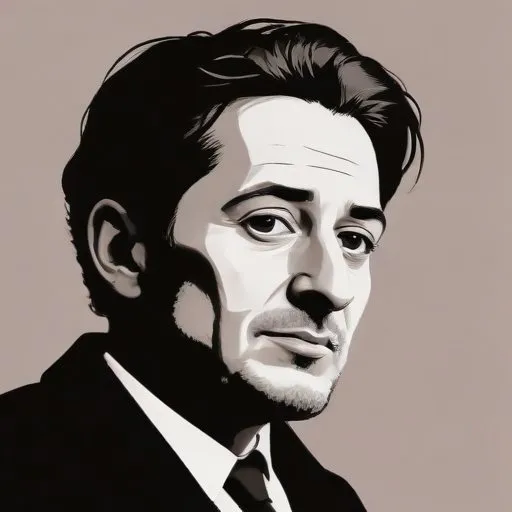
Marco da Gagliano

Marco da Gagliano

Marco da Gagliano was born on May 1st, 1582

Full Name: Marco da Gagliano
Nationality: Italian
Profession: Composer
Place of Birth: Italy
Notable Work: Dafne
Era: Baroque
Influenced: Giovanni Battista Mocchi
Notable Students: Francesco Rasi

A prominent composer of the early Baroque period, known for his innovative and expressive works, particularly in the genres of opera and sacred music.

Written by: David Williams David Williams

Marco da Gagliano, a renowned Italian composer, is celebrated for his significant contributions to the early history of opera and the development of the solo and concerted madrigal. Born on May 1, 1582, in Florence, Gagliano's innovative compositions and exceptional musicianship paved the way for future generations of musicians.

Gagliano's musical journey began in his hometown of Florence, where he studied with a religious confraternity and Luca Bati. In 1602, he was employed by the church of San Lorenzo as a singing instructor, a position he held for six years. This period laid the foundation for his future success as a composer and musician.

In 1607, Gagliano traveled to Mantua, where he wrote music for the Gonzaga family, including his impressive operatic setting of La Dafne. This milestone marked one of the earliest examples of opera, a genre that would go on to revolutionize the music world.

In 1609, Gagliano returned to Florence, where he became the maestro di cappella at the Compagnia dell'Arcangelo Raffaello, the organization where he had received his boyhood musical training. Later that same year, the Medici family appointed him maestro di cappella of their court, a position he held for an impressive 35 years. This period marked the height of Gagliano's success, during which he wrote an enormous quantity of music, both sacred and secular, for the Medici.

Gagliano's compositions showcased his innovative approach to music. His operas, including La Flora (1628) and La Dafne (1608), demonstrated his ability to set text to music in a way that mimicked actual speech, a technique praised by his contemporaries, including Jacopo Peri. His secular monodies and numerous madrigals, both a cappella and accompanied, further solidified his reputation as a master composer.

Gagliano's contributions to the development of opera and the madrigal have had a lasting impact on the music world. His innovations paved the way for future generations of composers, including Claudio Monteverdi and Heinrich Schütz. Today, Gagliano is recognized as one of the most important composers of the early Baroque era, and his music continues to be performed and studied by musicians around the world.

  • La Dafne (1608) - an operatic setting of the ancient Greek myth
  • La Flora (1628) - an opera set to a libretto by Andrea Salvadori
  • Secular monodies and numerous madrigals, both a cappella and accompanied

  • Born on May 1, 1582, in Florence, Italy
  • Employed by the church of San Lorenzo as a singing instructor (1602-1608)
  • Worked for the Gonzaga family in Mantua (1607)
  • Became maestro di cappella at the Compagnia dell'Arcangelo Raffaello (1609)
  • Appointed maestro di cappella of the Medici court (1609-1643)

"My music is not just a collection of notes, but a reflection of the human experience."

Gagliano's life and work are a testament to the cultural and artistic flourishing of Florence during the early Baroque era. His contributions to the development of opera and the madrigal have ensured his place in the annals of music history, and his music continues to inspire and influence musicians to this day.

Timeline
1582
Birth of Marco da Gagliano
Marco da Gagliano, an Italian composer, is born.
1608
Appointment in Mantua
Marco da Gagliano is appointed as the maestro di cappella in Mantua, a prestigious position in the citys court.
1615
Composition of Operas
Marco da Gagliano composes several operas, including Dafne, which premieres in Mantua.
1643
Death of Marco da Gagliano
Marco da Gagliano passes away, leaving behind a legacy of contributions to the development of opera.
1643
Legacy of Marco da Gagliano
Marco da Gaglianos legacy is marked by his role in shaping the early development of opera and his compositions, which remain influential to this day.
Marco da Gagliano

Marco da Gagliano Quiz

What genre of music is Marco da Gagliano particularly known for?

Score: 0/5
FAQ
Who was Marco da Gagliano and what was his contribution to music?
Marco da Gagliano was an Italian composer of the late Renaissance period, and his contributions to music include composing church music, madrigals, and operas. His works are known for their expressive harmony and complex counterpoint.
What is Marco da Gaglianos most famous composition?
Marco da Gaglianos most famous composition is his opera Dafne, which was published in 1608 and is considered one of the earliest surviving operas.
What was Marco da Gaglianos role in the Medici court?
Marco da Gagliano served as a musician and composer at the Medici court in Florence, where he wrote music for various courtly entertainments and ceremonies.
What was Marco da Gaglianos relationship with Galileo Galilei?
Marco da Gagliano and Galileo Galilei were acquaintances and colleagues, and Gagliano even set some of Galileis poetry to music.
How did Marco da Gagliano influence the development of opera?
Marco da Gaglianos operas, such as Dafne, helped establish the genre and paved the way for later opera composers like Claudio Monteverdi.

Related People:

Claudio Monteverdi

Born in 1567

A Baroque music pioneer who revolutionized the opera and sacred music genres with innovative harmonies and orchestration, leaving an indelible mark on classical music.

Heinrich Schütz

Born in 1585

A renowned Baroque composer and organist, known for his contributions to the development of the oratorio and passion genres, creating over 500 works that showcased his mastery of choral music.

Jacopo Peri

Born in 1561

A pioneer of opera, creating the first known opera "Dafne" in 1597, and revolutionizing music with his innovative compositions.

Domenico Scarlatti

Born in 1685

A virtuosic harpsichordist and composer, renowned for crafting over 550 sonatas that showcased his innovative and expressive style, blending Italian and Portuguese influences. 42

Alessandro Scarlatti

Born in 1660

Baroque-era mastermind behind over 600 cantatas, operas, and orchestral works, shaping the course of classical music with his innovative style and harmonic genius.

Francesco Cavalli

Born in 1602

A 17th-century Venetian composer who revolutionized opera with his innovative and expressive style, creating over 40 operas that showcased his mastery of harmony and melody.