


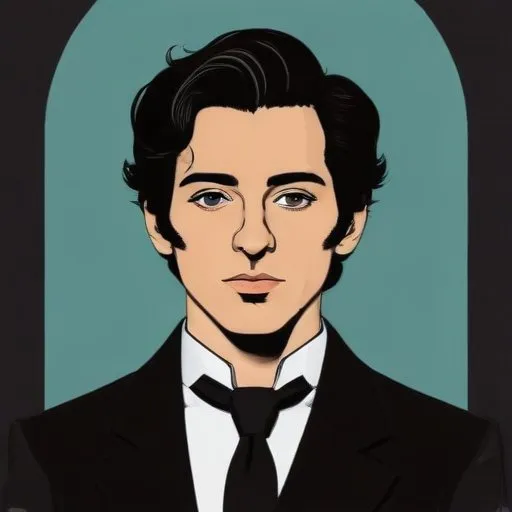
A French pianist and composer, known for his operas, particularly "La Dame Blanche", which was a huge success in its time and influenced the development of French opera. He was also a prominent figure in the Parisian musical scene during the early 19th century.
Renowned for his breathtaking operas, Franois-Adrien Boieldieu is a French composer who earned the esteemed title of "The French Mozart." With a career spanning over three decades, Boieldieu's masterpieces continue to enchant audiences, solidifying his position as one of the most influential composers of his time.
Born on December 16, 1775, in Rouen, France, Boieldieu received his musical education from the choirmaster and organist of the local cathedral. During the Reign of Terror, Rouen maintained a thriving musical scene, and in 1793, Boieldieu composed his earliest works, including La fille coupable and Rosalie et Mirza, which brought him instant success.
In the late 1790s, Boieldieu moved to Paris, where he began working as a piano tuner. He soon became associated with the Opra-Comique, a theatre that offered opportunities for hybrid works, blending classic opera with spoken dialogue. Boieldieu's compositions flourished in this environment, earning him widespread recognition and acclaim.
Boieldieu's operas are renowned for their melodic beauty, dramatic intensity, and masterful orchestration. Some of his most notable works include:
Boieldieu's compositional genius extended beyond opera. His Harp Concerto in C (1800-1801) is a masterpiece of the harp repertoire, showcasing his skill in crafting beautifully nuanced and expressive music.
Boieldieu's impact on French music was profound. He influenced a generation of composers, including Hector Berlioz and Ambroise Thomas, and paved the way for the development of Romantic opera. His legacy continues to inspire musicians and audiences alike, solidifying his position as one of the most important French composers of the early 19th century.
Boieldieu received numerous honors and accolades during his lifetime, including:
Boieldieu married twice and had four children. He continued to compose until his death on October 8, 1834, leaving behind a legacy of irreplaceable masterpieces that continue to captivate audiences today.
Franois-Adrien Boieldieu's remarkable career and contributions to the world of music have cemented his place as one of the most beloved and revered composers of all time.
Born in 1756
A child prodigy and master of classical music, he composed over 600 works, including symphonies, operas, and chamber music, that continue to inspire and influence musicians today.
Born in 1770
A musical genius who expanded the possibilities of classical music, creating iconic symphonies and piano sonatas that continue to inspire and influence generations of artists.
Born in 1797
A renowned composer of symphonies, operas, and chamber music, particularly famous for his emotional and expressive lieder (art songs) that showcased his mastery of melody and harmony.
Born in 1803
A French Romantic-era mastermind who composed iconic symphonies, operas, and orchestral works, revolutionizing classical music with his bold, expressive style.
Born in 1775
A French pianist and composer, known for his operas, particularly "La Dame Blanche", which was a huge success in its time and influenced the development of French opera. He was also a prominent figure in the Parisian musical scene during the early 19th century.
Born in 1782
A virtuosic violinist and composer who revolutionized the instrument's technical possibilities, leaving an indelible mark on classical music.
Born in 1792
Operatic mastermind behind iconic comedies like "The Barber of Seville" and "William Tell," crafting catchy, witty, and playful music that still delights audiences today.
