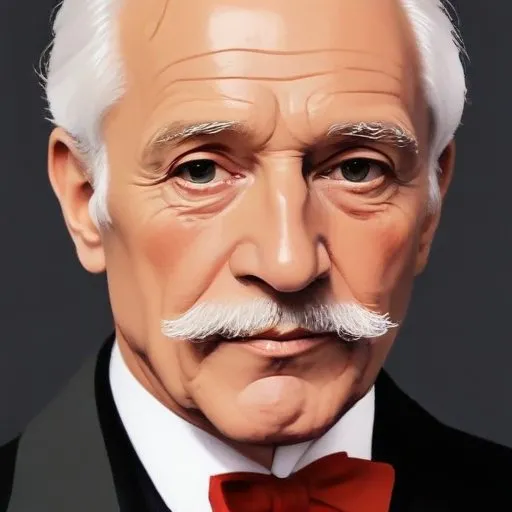
Franz Grillparzer: The Leading Austrian Dramatist of the 19th Century
A Legacy of Timeless Works
Franz Grillparzer is renowned for being the leading Austrian dramatist of the 19th century, with his plays frequently performed at the prestigious Burgtheater in Vienna. His literary mastery extended beyond the stage, as he also penned the oration for
Ludwig van Beethoven's funeral and the epitaph for his friend Franz Schubert.
Early Life and Influences
Born on January 15, 1791, in Vienna, Austria, Grillparzer was raised in a family that valued education and the arts. His father, E. J. Grillparzer, was a lawyer who instilled in him the importance of classical ideals and moral values. Despite his father's wish for him to follow in his footsteps, Grillparzer's passion for writing soon became apparent.
Formative Years
Grillparzer's formative years were marked by the reign of Classicism, which greatly influenced his poetic language and writing style. He began to write poetry and plays during his student days at the University of Vienna, where he studied jurisprudence. After graduating in 1811, he worked as a private tutor and later entered the civil service.
Literary Career Highlights
Grillparzer's literary career was marked by several milestones:
- Sappho (1818), his first major drama, which explored the theme of love and sacrifice
- The Ancestress (1817), a trilogy of plays that showcased his mastery of the dramatic form
- Libussa (1848), a play that highlighted the struggle between materialism and spirituality
Philosophical Contributions and Beliefs
Grillparzer's works were characterized by his commitment to classical ideals of aesthetic beauty and morality. He believed in the importance of addressing spiritual values through his writing, rather than focusing on realism. This philosophical approach earned him the title of Austria's national poet after World War II.
Personal Milestones and Key Life Events
Grillparzer's life was marked by various milestones, including:
- 1821: He unsuccessfully applied to the position of scribe at the Imperial Library
- 1832: He was relocated to the Ministry of Finance, where he worked until his retirement in 1856
Legacy and Impact
Franz Grillparzer's legacy extends far beyond his own lifetime. His works have had a profound impact on Austrian literature and culture, and continue to be performed and celebrated to this day. As a writer, he played a significant role in shaping the country's identity and promoting its rich cultural heritage.
Quote
"A poet should only speak of what he loves, and it is only by speaking of what he loves that he will be able to make others love it." - Franz Grillparzer
A Lasting Legacy
Grillparzer's contributions to literature and culture have left an indelible mark on Austrian society. His commitment to classical ideals, his mastery of the dramatic form, and his ability to address spiritual values through his writing have cemented his place as one of the greatest writers of the 19th century.
FAQ
What is Franz Grillparzers most famous play?
Franz Grillparzers most famous play is Sappho, a tragedy that explores the theme of love and sacrifice.
How did Franz Grillparzers work influence Austrian literature?
Franz Grillparzers work had a significant impact on Austrian literature, shaping the development of drama and poetry in the 19th century.
What is Franz Grillparzers style of writing?
Franz Grillparzers style of writing is characterized by its lyricism, nuance, and psychological depth.
How did Franz Grillparzers work influence the development of drama?
Franz Grillparzers work influenced the development of drama, particularly in the areas of character development and plot structure.
How did Franz Grillparzer die?
Franz Grillparzer died on January 21, 1872, at the age of 81.