


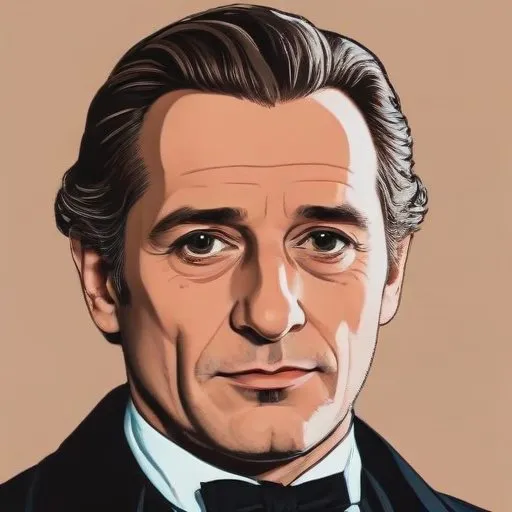
Austrian actor and playwright who wrote and performed in popular folk plays, often incorporating magic and fantasy elements, and was a key figure in Vienna's theatrical scene. He is particularly known for his humorous and satirical works that poked fun at social issues of his time.
Ferdinand Raimund, a renowned Austrian actor and playwright, is celebrated for his ingenious comedies that continue to captivate audiences in Germany and Austria to this day. His masterpieces, such as Bauer als Millionär, Der Alpenkönig und der Menschenfeind, and Der Verschwender, are a testament to his remarkable talent for crafting intricate, humorous, and relatable stories.
Born Ferdinand Jakob Raimann on June 1, 1790, in Vienna, Austria, Raimund was the son of a Bohemian woodturning master craftsman, Jakob Raimann. His early life was marked by a passion for the arts, which led him to begin his acting career at the Theater in der Josefstadt in 1811. He later moved to the Leopoldstädter Theater in 1817, where he honed his craft and eventually made a name for himself as a talented actor and playwright.
Raimund's break came in 1823 with the production of his first play, Der Barometermacher auf der Zauberinsel, which was followed by a string of successful plays, including Der Diamant des Geisterkönigs in 1824 and Bauer als Millionär in 1826. His unique brand of humor, characterized by rich, realistic portrayals of his fellow citizens, resonated with audiences and solidified his position as a master of the Viennese Posse.
Raimund's most notable works include:
These plays, along with his others, continue to be performed and admired in Germany and Austria, cementing Raimund's legacy as a literary giant of his time.
Tragically, Raimund's life was cut short when, believing he had been bitten by a rabid dog, he took his own life on August 29, 1836, at the age of 46. He passed away on September 5, 1836, in Pottenstein, Lower Austria, and was later buried in Gutenstein, where a memorial was erected in his honor.
Today, the Raimund Theater in Vienna stands as a testament to his enduring impact on the world of theater and literature. Raimund's works continue to inspire new generations of writers, actors, and artists, ensuring that his legacy will forever be remembered and cherished.
Born in 1878
A Hungarian-American author and playwright renowned for his witty, satirical plays and novels that often explored the human condition, love, and social class. His works are still widely performed and adapted today.
Born in 1901
A Hungarian-German author and playwright, known for his socially critical and psychologically insightful works that often explored the human condition, morality, and the search for identity. His plays and novels are still widely performed and read today.
Born in 1801
Austrian actor and playwright who wrote satirical plays that critiqued social issues, known for his witty dialogue and clever characterizations.
Born in 1791
Austrian literary giant who wrote influential plays and poems that explored themes of identity, morality, and the human condition, leaving a lasting impact on European literature.
Born in 1830
Austrian novelist and playwright who wrote influential works of realistic fiction, exploring social issues and the human condition. Her writing is known for its psychological insight and strong female characters.
