


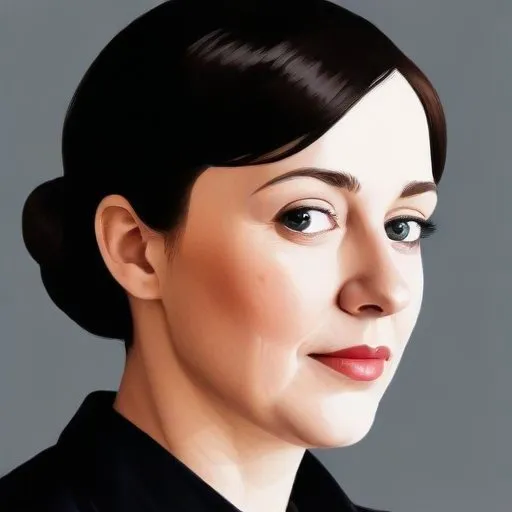
Austrian novelist and playwright who wrote influential works of realistic fiction, exploring social issues and the human condition. Her writing is known for its psychological insight and strong female characters.
Marie von Ebner-Eschenbach was a renowned Austrian writer, celebrated for her thought-provoking psychological novels that delved into the complexities of the human psyche. With a writing career spanning over four decades, she is regarded as one of the most significant German-language writers of the latter half of the 19th century.
Born on September 13, 1830, in the castle of the Dubský of Třebomyslice family in Zdislavice, Moravia (now part of the Czech Republic), Marie was the daughter of Baron Franz Joseph Dubský and his wife, Maria Rosalia Therese, née Baroness von Vockel. Her early life was marked by tragedy, losing her mother in infancy. However, she received a rich intellectual upbringing from her two stepmothers, Baroness Eugenie von Bartenstein and Countess Xaverine von Kolowrat-Krakowsky, who fostered her love for literature and the arts.
In 1848, Marie married her cousin, Moritz von Ebner-Eschenbach, a professor of physics and chemistry at a Viennese engineering academy. The couple's marriage was childless, which was a source of disappointment for both. However, this allowed Marie to focus on her writing, which became her solace and passion.
Marie's writing career began with the publication of her first novella, Einen Conte aus dem Gebirge, in 1863. She went on to write several novels, short stories, and essays, which explored themes of love, morality, and social inequality. Her works were marked by their psychological depth, nuanced character portrayal, and vivid descriptions of rural Austrian life.
Some of her notable works include Das Gemeindekind (1880), Božena (1876), and Unsühnbar (1890). These novels not only showcased her mastery of the German language but also demonstrated her commitment to social reform and feminist ideals.
Marie von Ebner-Eschenbach's literary contributions had a profound impact on modern Austrian literature. Her novels paved the way for future generations of writers, including Nobel laureates like Elfriede Jelinek and Elfriede Gerstl. Her exploration of the human psyche and her commitment to social justice continue to inspire writers and scholars alike.
Throughout her life, Marie von Ebner-Eschenbach remained dedicated to her craft, producing works that continue to captivate readers with their timeless themes and masterful storytelling. Her legacy serves as a testament to the power of literature to inspire and transform society.
"The highest wisdom is to understand that all is nothing."
"Art is the only way to run away without leaving home."
These quotes, among others, offer a glimpse into Marie's profound insight into the human condition and her passion for the arts.
Marie von Ebner-Eschenbach's remarkable life and literary achievements continue to inspire generations of readers and writers. Her trailblazing spirit and commitment to social justice make her a true pioneer in the world of Austrian literature.
Born in 1791
Austrian literary giant who wrote influential plays and poems that explored themes of identity, morality, and the human condition, leaving a lasting impact on European literature.
Born in 1790
Austrian actor and playwright who wrote and performed in popular folk plays, often incorporating magic and fantasy elements, and was a key figure in Vienna's theatrical scene. He is particularly known for his humorous and satirical works that poked fun at social issues of his time.
Born in 1801
Austrian actor and playwright who wrote satirical plays that critiqued social issues, known for his witty dialogue and clever characterizations.
Born in 1843
A pioneering pacifist and writer, she championed international disarmament and peace, earning the first Nobel Peace Prize awarded to a woman. Her groundbreaking work inspired a generation of peace activists.
