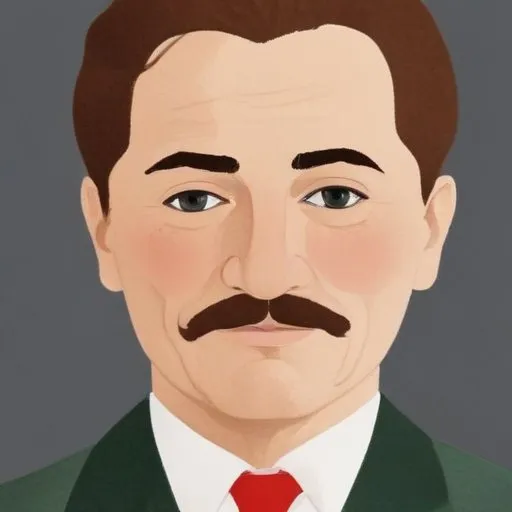
dn von Horvth: The Austrian Playwright and Novelist
A Literary Genius of His Time
dn von Horvth, born Edmund Josef von Horvth, was a renowned Austrian playwright and novelist who wrote in German. He is best known for his socially poignant and romantic plays that captivated audiences during the early 20th century.
Early Life and Education
von Horvth was born on December 9, 1901, in Sušak, Rijeka, Austria-Hungary, to an Austro-Hungarian diplomat of Hungarian origins and a mother from an Austro-Hungarian military family. He attended elementary school in Budapest and later the Rkczianum, where he received his education in the Hungarian language. His family later moved to Munich, and von Horvth attended secondary school in Pressburg and Vienna, where he learned German as a second language and earned his Matura secondary school diploma.
Literary Career
von Horvth started writing as a student in 1920. After quitting university without a degree in 1922, he moved to Berlin and began his literary career. He wrote several plays, including
Revolte auf Cte 3018 (1927),
Sladek (1929),
Italienische Nacht (1930),
Hin und Her (1934), and
Der Jngste Tag (1937). His novels include
Der ewige Spieer (1930),
Ein Kind unserer Zeit (1938), and
Jugend ohne Gott (1938).
Awards and Recognition
In 1931, von Horvth was awarded the prestigious Kleist Prize, along with Erik Reger, for his outstanding literary contributions.
Later Life and Death
In 1933, von Horvth relocated to Vienna following the rise of the Nazi regime in Germany. After the annexation of Austria with Nazi Germany in 1938, he emigrated to Paris. Tragically, von Horvth's life was cut short when he was hit by a falling branch from a tree and killed on June 1, 1938, at the age of 36.
Legacy
Despite his untimely death, von Horvth left a lasting impact on the literary world. His works continue to be celebrated for their thought-provoking themes and poignant character portrayals. Today, he is remembered as one of the most critically admired writers of his generation.
Quotes and Memorable Sayings
- "The world is a stage, and we are all just players."
- "Literature is the mirror of society, reflecting its beauty and its ugliness."
Personal Milestones and Key Life Events
- 1901: Born in Sušak, Rijeka, Austria-Hungary
- 1908: Attended elementary school in Budapest
- 1913: Attended secondary school in Pressburg and Vienna
- 1919: Studied at the Ludwig Maximilians University in Munich
- 1920: Started writing as a student
- 1922: Quit university without a degree
- 1927: Wrote Revolte auf Cte 3018
- 1931: Awarded the Kleist Prize
- 1933: Relocated to Vienna
- 1938: Emigrated to Paris and died
Historical Context and Legacy
von Horvth's life and works are set against the backdrop of a tumultuous Europe in the early 20th century. His experiences as a member of the Austro-Hungarian aristocracy and his observations of the rise of fascism in Germany heavily influenced his writing. Today, his works remain a testament to the power of literature to reflect and shape our understanding of the world around us.
FAQ
What was Ödön von Horváths role in the development of Austrian drama?
Ödön von Horváth was a prominent Austrian playwright and novelist who played a significant role in shaping the development of Austrian drama during the interwar period. His works often explored themes of social critique, human relationships, and the search for identity.
How did Ödön von Horváths experiences influence his writing?
Ödön von Horváths experiences as a soldier during World War I, as well as his observations of the rise of fascism in Austria and Germany, deeply influenced his writing. His works often reflected his concerns about the dangers of nationalism, militarism, and totalitarianism.
What was Ödön von Horváths relationship like with other Austrian writers?
Ödön von Horváth was part of a circle of Austrian writers, including figures like Robert Musil and Elias Canetti. His relationships with these individuals were marked by a spirit of intellectual curiosity and mutual respect.
How did Ödön von Horváths work contribute to the critique of fascism and nationalism?
Ödön von Horváths work played a significant role in critiquing fascism and nationalism in Austria and Germany during the 1930s. His plays and novels often targeted the dangers of authoritarianism and the erosion of civil liberties.
What is Ödön von Horváths legacy in Austrian literature?
Ödön von Horváths legacy in Austrian literature is that of a courageous and innovative writer who challenged the dominant ideologies of his time. His works remain an important part of Austrian cultural heritage, offering insights into the complexities of human relationships and the dangers of totalitarianism.