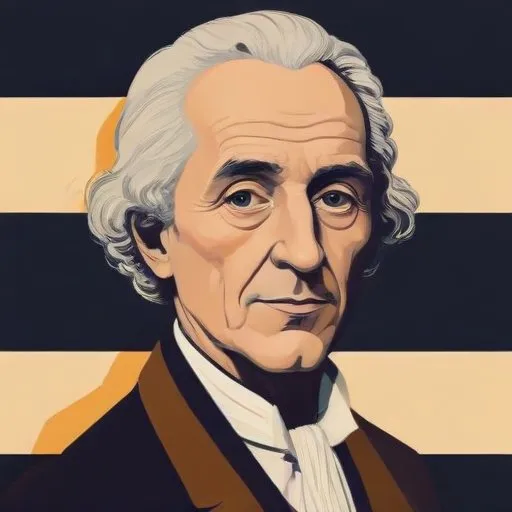
Franz Wright: The Acclaimed American Poet
A Legacy of Pulitzer Prize Excellence
Franz Wright is renowned for being one of the few poets to have won the Pulitzer Prize, alongside his father
James Wright, making them the only parent-child pair to have achieved this feat in the same category. With a career spanning over three decades, Wright has left an indelible mark on the world of poetry, enthralling readers with his unique blend of verse and prose poems.
Early Life and Education
Born in Vienna, Austria on March 18, 1953, Wright graduated from Oberlin College in 1977. This strong educational foundation laid the groundwork for his future success as a poet.
Poetic Contributions and Style
Wright's poetry is characterized by its lyricism, depth, and exploration of themes such as love, mortality, and the human condition. His work often blurs the lines between poetry and prose, creating a distinctive style that has captivated readers and critics alike. Some of his most notable works include
Wheeling Motel,
Kindertotenwald, and
Buson Haiku, a collection of translations of haiku by Japanese poet Yosa Buson.
Career Highlights and Major Works
- Wheeling Motel (2009) - a collection of poetry that features selections set to music for the record Readings from Wheeling Motel.
- Kindertotenwald (2011) - a collection of 65 prose poems that concludes with a love poem to his wife, written while Wright battled terminal lung cancer.
- Buson Haiku (2012) - a limited edition collection of translations of 30 haiku by Yosa Buson.
- F (2013) - a full-length collection of verse and prose poems that received widespread critical acclaim.
Influence on Modern Society
Wright's poetry has had a profound impact on modern society, offering a unique perspective on the human experience. His work has been anthologized in various collections, including
The Best of the Best American Poetry and
A Book of Luminous Things: Bearing the Mystery: Twenty Years of Image.
Awards and Honors
Wright's contributions to poetry have been recognized with numerous awards and honors, including the Pulitzer Prize. His poetry has also been featured in various publications, such as
Poetry magazine, which awarded him its premier annual literary prize for best work published in 2011.
Personal Milestones and Key Life Events
Wright's personal life was marked by struggles with lung cancer, which he bravely battled until his passing on May 14, 2015. Despite his health struggles, Wright continued to write, leaving behind a legacy of poetry that will be cherished for generations to come.
Legacy and Impact
Franz Wright's poetry has left an indelible mark on the literary world, inspiring a new generation of poets and writers. His unique style, which blurred the lines between poetry and prose, has expanded the possibilities of language and form. As Anis Shivani wrote in the
Huffington Post, Wright is "our greatest contemporary poet."
FAQ
What was Franz Wrights poetic style?
Franz Wrights poetry is characterized by its lyricism, introspection, and exploration of themes such as faith, family, and the American experience.
What awards did Franz Wright win for his poetry?
Franz Wright won the Pulitzer Prize for Poetry in 2004 for his collection Walking to Marthas Vineyard, as well as several other awards, including the PEN/Voelcker Award for Poetry.
How did Franz Wrights life experiences influence his poetry?
Franz Wrights poetry was deeply influenced by his experiences with addiction, depression, and family dynamics, which he explored in his work with unflinching honesty and vulnerability.
What was Franz Wrights approach to translation?
Franz Wright was also a translator of poetry, and his approach emphasized the importance of conveying the original poets voice and intent, rather than simply providing a literal translation.
How did Franz Wrights death affect the literary community?
Franz Wrights death in 2016 was met with an outpouring of tributes and condolences from the literary community, which remembered him as a singular talent and a generous spirit.