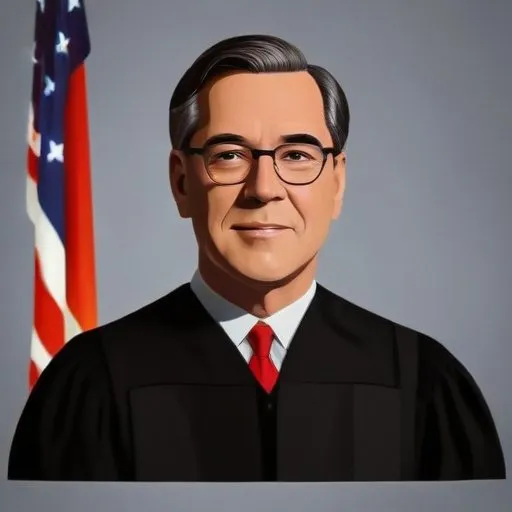
Fred M. Vinson: The Illustrious 13th Chief Justice of the United States
A Man of Unparalleled Distinction
Fred M. Vinson, a luminary in American politics, is renowned for his exceptional service as the 13th Chief Justice of the United States from 1946 until his untimely demise in 1953. This esteemed individual is one of the few Americans to have served in all three branches of the U.S. government, leaving an indelible mark on the nation's history.
Early Life and Career
Born on January 22, 1890, in Louisa, Kentucky, Vinson pursued a legal career, serving in the U.S. Army during World War I. After the war, he served as the Commonwealth's Attorney for the Thirty-Second Judicial District of Kentucky before winning election to the U.S. House of Representatives in 1924.
Rise to Prominence
Vinson's impressive career trajectory continued as he became an adviser and confidante to Missouri Senator
Harry S. Truman. In 1937, President
Franklin D. Roosevelt appointed Vinson to be a judge on the D.C. Circuit. Vinson resigned from the appellate court in 1943, when he became the Director of the Office of Economic Stabilization. After Truman acceded to the presidency following Roosevelt's death in 1945, Truman appointed Vinson to the position of Secretary of the Treasury.
Achievements as Secretary of the Treasury
During his tenure as Secretary of the Treasury, Vinson negotiated the payment of the Anglo-American loan and presided over the establishment of numerous post-war organizations, including the International Bank for Reconstruction and Development (commonly called the World Bank) and the International Monetary Fund. These pivotal accomplishments cemented Vinson's reputation as a skilled diplomat and economic strategist.
Supreme Court Tenure
After the death of Chief Justice
Harlan F. Stone in 1946, Truman appointed Vinson to the Supreme Court. Vinson's notable dissent in the case of
Youngstown Sheet & Tube Co. v. Sawyer, which ruled against the Truman administration's control of the nation's steel mills during a strike, showcased his commitment to upholding the Constitution.
Legacy and Impact
Through his remarkable journey, Vinson left an indelible mark on American politics and jurisprudence. His unwavering dedication to public service, his unshakeable commitment to the Constitution, and his diplomatic prowess have inspired generations of politicians, lawyers, and scholars. As a testament to his enduring legacy, Vinson's name remains synonymous with excellence and integrity in the realm of American politics.
Personal Milestones and Key Life Events
- Born on January 22, 1890, in Louisa, Kentucky
- Served in the U.S. Army during World War I
- Elected to the U.S. House of Representatives in 1924
- Appointed as a judge on the D.C. Circuit in 1937
- Became the Director of the Office of Economic Stabilization in 1943
- Appointed as Secretary of the Treasury in 1945
- Appointed as Chief Justice of the United States in 1946
- Passed away on September 8, 1953
Historical Context and Legacy
Vinson's remarkable career spanned a pivotal period in American history, marked by two world wars, the Great Depression, and the dawn of the Cold War. His leadership and vision helped shape the nation's response to these challenges, earning him a revered place in the pantheon of American statesmen.
FAQ
What was Fred M. Vinsons role in the US Supreme Court?
Fred M. Vinson served as the 13th Chief Justice of the United States from 1946 to 1953, leading the court during a pivotal period in American history. He was known for his moderate judicial philosophy and his efforts to maintain a balance between individual rights and government authority.
What were Fred M. Vinsons notable decisions as Chief Justice?
Fred M. Vinson presided over several landmark cases, including the Steel Seizure Case, which limited presidential power, and the Dennis v. United States case, which upheld the conviction of American Communist Party leaders. He also played a key role in shaping the courts approach to civil rights and labor law.
What was Fred M. Vinsons background before becoming Chief Justice?
Before becoming Chief Justice, Fred M. Vinson served as a judge on the US Court of Appeals for the District of Columbia and as Director of the Office of Economic Stabilization. He was a prominent figure in Kentucky politics and served in the US House of Representatives from 1923 to 1929.
How did Fred M. Vinsons leadership style shape the Supreme Court?
Fred M. Vinson was known for his ability to build consensus and foster a sense of collegiality among the justices. He encouraged open discussion and debate, and his leadership style helped to maintain a sense of stability and continuity during a period of significant social and political change.
What is Fred M. Vinsons legacy in American history?
Fred M. Vinsons legacy is marked by his commitment to moderation and balance in the judiciary. He played a crucial role in shaping the Supreme Courts approach to civil rights, labor law, and executive power, and his leadership helped to establish the court as a key institution of American democracy.