


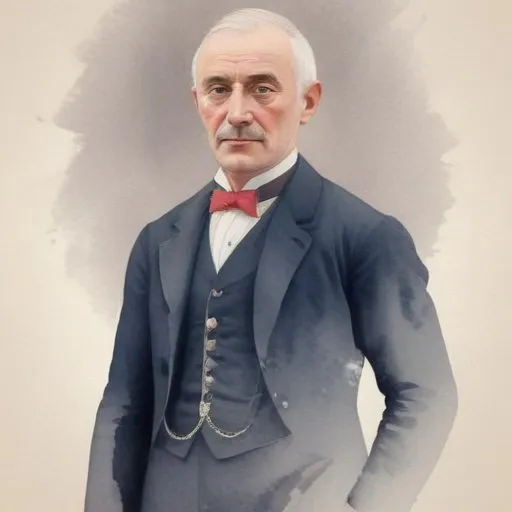
A German nobleman who ruled Hesse-Eschwege from 1632 to 1655, known for his military leadership during the Thirty Years' War. He also founded the city of Eschwege.
Frederick, Landgrave of HesseEschwege, is renowned for his illustrious military career in the Swedish army, where he rose to the rank of Major General, and his subsequent leadership of the apanage of HesseEschwege from 1632 until his death in 1655.
Frederick was born on May 9, 1617, in Kassel, as the eighth child of Landgrave Maurice of Hesse-Kassel. His father, facing impending bankruptcy, was forced to abdicate and divide his country among his sons. Frederick was awarded HesseEschwege, which stood under the suzerainty of Hesse-Kassel.
Frederick's military prowess earned him the respect and admiration of his contemporaries. He served in the Swedish army, where he climbed the ranks to become a Major General. During the Second Northern War, he commanded a Swedish battle group, showcasing his leadership skills and strategic thinking.
His connection to Sweden was further strengthened through his marriage to Eleonora Catherine, the sister of King Charles X Gustav of Sweden, in 1646 in Stockholm.
Despite spending much of his time at the Swedish court, Frederick remained committed to his subjects and played a significant role in the reconstruction of HesseEschwege after the devastating effects of the Thirty Years War. His three brothers ruled his share of the Rotenburg Quarter on his behalf, allowing him to focus on his military career.
Frederick's wife, Eleonora Catherine, primarily resided in Eschwege, where their children were born. Although he rarely visited Eschwege, he cared deeply for his people and contributed substantially to the region's rebuilding efforts.
Frederick's life came to an end on September 24, 1655, in Costian near Pozna, Poland. His legacy as a military leader and regional patriarch continues to shape the history of HesseEschwege, serving as a testament to his dedication and perseverance.
Frederick's remarkable life serves as a fascinating chapter in the history of HesseEschwege, highlighting the complexities of regional leadership and the importance of military prowess during a tumultuous era.
Born in 1602
A 16th-century German nobleman who ruled Hesse-Kassel and played a significant role in the Protestant Reformation, known for his military campaigns and territorial expansions.
Born in 1504
A German nobleman who ruled Hesse from 1509 to 1567, known for being a champion of the Protestant Reformation and a key figure in the Schmalkaldic League.
Born in 1547
Ruler of Hesse-Darmstadt from 1567 to 1596, he played a key role in the Protestant Reformation and was a prominent figure in the German Renaissance.
