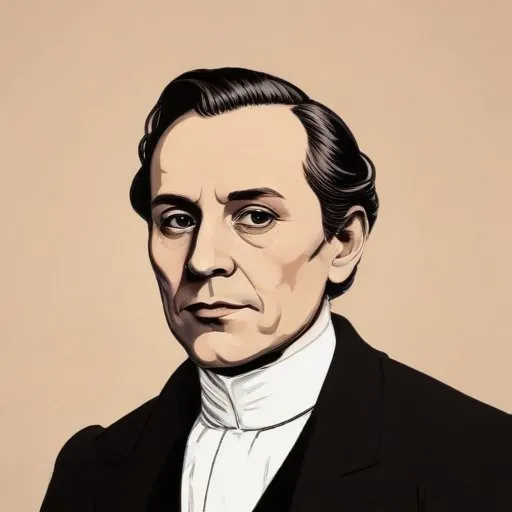
Friedrich Leopold zu Stolberg-Stolberg: The German Literary Icon of the 18th Century
A Life of Poetry, Translation, and Diplomacy
Friedrich Leopold zu Stolberg-Stolberg, a renowned German lawyer, translator, and poet, left an indelible mark on the literary world of the 18th century. As a prominent figure of the Sturm und Drang and early Romantic periods, his works continue to fascinate readers to this day.
Early Life and Education
Born on November 7, 1750, in Bramstedt, Holstein (then part of Denmark), Friedrich Leopold belonged to a cadet branch of the Stolberg family. His father, Count Christian zu Stolberg, a Danish magistrate and owner of a manorial estate, played a significant role in shaping his early life. After his father's death in 1765, Friedrich Leopold formed friendships with distinguished literary men, including
Friedrich Gottlieb Klopstock, who became a mentor to him and his elder brother, Christian.
University Years and Literary Beginnings
In 1770, Friedrich Leopold and his brother enrolled at the University of Halle, where they studied German Law, Classics, and various historical courses. During this period, they became prominent members of the Göttinger Hainbund, a literary society that aimed to unite the country through German poetry.
A Journey of Self-Discovery and Literary Growth
In 1775, Friedrich Leopold embarked on a journey to Switzerland with his brother and the celebrated poet
Johann Wolfgang von Goethe. This experience had a profound impact on his literary development, as he began to cultivate his skills as a poet and translator.
Diplomatic Career and Literary Pursuits
Friedrich Leopold's diplomatic career took off in 1777, when he was appointed envoy of the prince bishop of Lübeck at the Court of Copenhagen. However, he continued to pursue his literary passion, often staying at Eutin to spend time with his college friend and member of the Dichterbund,
Johann Heinrich Voss. In 1781, he became the chief administrator at Eutin, a position that allowed him to balance his diplomatic duties with his literary pursuits.
Personal Life and Tragedy
In 1782, Friedrich Leopold married Agnes von Witzleben, whom he celebrated in his poems. The couple had two sons and two daughters, but their happy married life was cut short when Agnes died prematurely in 1788. Friedrich Leopold contracted a second marriage with Countess Sophie von Redern in 1789, and the couple embarked on a grand tour through Europe.
Literary Contributions and Legacy
Friedrich Leopold zu Stolberg-Stolberg's literary contributions are characterized by his passion for German poetry and his translations of classical works. His poems, though often overshadowed by his contemporaries, showcase his mastery of language and his ability to convey complex emotions. As a testament to his legacy, his works continue to inspire and influence generations of writers and scholars.
Philosophical Contributions and Beliefs
Friedrich Leopold's philosophical contributions are deeply rooted in the ideals of the Sturm und Drang movement, which emphasized the importance of emotion, individualism, and the beauty of nature. His poems and translations reflect his belief in the power of literature to shape the human experience and to inspire social change.
Impact on Modern Society
Friedrich Leopold zu Stolberg-Stolberg's contributions to German literature have had a lasting impact on modern society. His poems and translations have inspired countless writers, poets, and scholars, shaping the course of German literature and beyond. His legacy serves as a testament to the power of literature to transcend time and to inspire future generations.
Controversies and Public Perception
Despite his significant contributions to literature, Friedrich Leopold's life was not without controversy. His diplomatic career was often marred by controversy, and his personal life was marked by tragedy. However, his literary legacy has endured, and his works continue to be celebrated for their beauty, passion, and depth.
Quotes and Memorable Sayings
- "Poetry is the language of the soul, and the soul is the poet's greatest inspiration."
- "The beauty of nature is a reflection of the beauty within ourselves."
Historical Context and Legacy
Friedrich Leopold zu Stolberg-Stolberg's life and works are inextricably linked to the historical context of 18th-century Germany. His contributions to the Sturm und Drang movement and early Romanticism paved the way for future literary movements, shaping the course of German literature and beyond.
Comparative Analysis with Contemporaries
Friedrich Leopold zu Stolberg-Stolberg's works are often compared to those of his contemporaries, such as Johann Wolfgang von Goethe and Johann Heinrich Voss. While his poetry shares similarities with theirs, his unique voice and perspective set him apart as a distinct literary figure of his time.
Personal Relationships and Anecdotes
Friedrich Leopold's personal relationships, particularly his friendships with Klopstock and Voss, played a significant role in shaping his literary development. These relationships not only provided him with intellectual stimulation but also offered emotional support during times of personal tragedy.
Impact on Pop Culture
Friedrich Leopold zu Stolberg-Stolberg's works have had a lasting impact on popular culture, inspiring countless adaptations, interpretations, and references in art, literature, and music. His poems and translations continue to captivate audiences, ensuring his legacy as a literary icon of the 18th century.
Awards and Honors
Although Friedrich Leopold zu Stolberg-Stolberg did not receive any formal awards or honors during his lifetime, his contributions to German literature have been recognized and celebrated by scholars and readers alike.
Charitable Work and Social Contributions
Friedrich Leopold zu Stolberg-Stolberg's charitable work and social contributions are often overshadowed by his literary achievements. However, his involvement in the Göttinger Hainbund and his support for the unity of Germany through literature demonstrate his commitment to social causes and his desire to make a positive impact on society.
Inspirational Stories and Motivations
Friedrich Leopold zu Stolberg-Stolberg's life and works serve as an inspiration to anyone who has ever been touched by the power of literature. His passion, perseverance, and dedication to his craft are a testament to the human spirit and a reminder that even in the face of adversity, art can be a powerful force for change.