


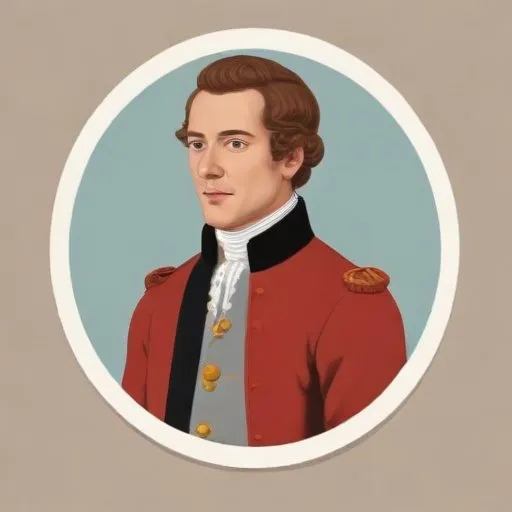
A French nobleman who accidentally killed the third king of France, Henry II, during a jousting tournament, leading to a significant shift in power dynamics in 16th-century France. He's also known for his role in the French Wars of Religion.
Gabriel de Montgomery, a French nobleman, is infamous for his unintentional role in the demise of King Henry II of France. Montgomery's life was marked by both triumph and tragedy, with his actions having far-reaching consequences that continue to fascinate historians to this day.
Born in 1530, Montgomery was a member of the Norman nobility, and his family's influence and wealth paved the way for his future successes. He became a skilled soldier and quickly rose through the ranks, earning the title of Comte (Count) de Montgomery in 1553.
In 1559, Montgomery participated in a jousting tournament, a popular form of entertainment among the nobility. During the tournament, Montgomery's lance shattered, and a splinter struck King Henry II in the eye, causing a fatal wound. The king's death led to a power struggle that would shape the course of French history.
Following the king's death, Montgomery continued to serve the French crown, participating in several military campaigns, including the siege of Le Havre in 1562-1563. He later became the Governor of Paris and played a key role in suppressing the Huguenot uprisings.
Montgomery's life was marked by controversy and conflict. He was accused of being a Protestant, which put him at odds with the Catholic Church. Additionally, his role in the king's death made him a target for those seeking revenge.
Gabriel de Montgomery's life serves as a reminder of the unpredictable nature of history. His actions, though unintentional, had far-reaching consequences that continue to fascinate historians today. His story has been immortalized in art, literature, and film, ensuring that his legacy endures.
In conclusion, Gabriel de Montgomery's life was a complex tapestry of triumph, tragedy, and controversy. His unintentional role in the death of King Henry II of France solidified his place in history, making him a fascinating figure still studied and debated by historians today.
Born in 1519
King of France from 1547 to 1559, known for his cultural and artistic patronage, and his role in the Italian Wars.
Born in 1785
The last king of the French monarchy before the French Revolution, known for his tragic and mysterious life, including his imprisonment and disputed death.
Born in 1585
A powerful and cunning statesman who dominated French politics during the 17th century, known for his ruthless suppression of dissent and centralization of power. He was a master strategist and diplomat who shaped the course of European history.
Born in 1608
Third son of King Henry IV of France, a rebellious prince who plotted against his brother King Louis XIII and was known for his military prowess and romantic escapades.
Born in 1594
A French nobleman and illegitimate son of King Henry IV, known for his military prowess and governorship of several provinces during the Thirty Years' War. He played a significant role in shaping France's history during the 17th century.
Born in 1573
Son of King Charles IX, he was a French nobleman and military leader who played a significant role in the French Wars of Religion. He's known for his bravery and strategic thinking on the battlefield.
