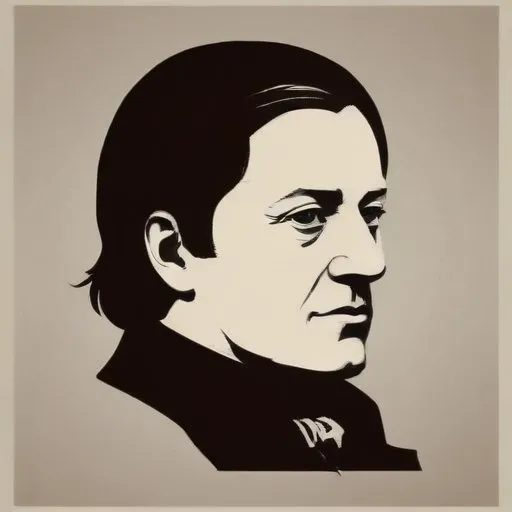
Georg Schumann: A Maestro of Classical Music
A Legacy of Composition and Direction
Georg Schumann is revered as one of the most prolific German composers and directors of the late 19th and early 20th centuries. He is best known for his contributions to the Berlin Singakademie, where he served as professor and director for over three decades, leaving an indelible mark on the world of classical music.
Early Life and Education
Born on October 25, 1866, in Königstein, Germany, Schumann was the son of Clemens Schumann, a musician, and the older brother of Camillo Schumann, also a composer. He began his musical journey under the guidance of his father and grandfather, studying the violin and organ. Later, he was taught by
Friedrich Baumfelder, a renowned German composer, pianist, and conductor. Schumann further honed his skills at the Leipzig Conservatory, where he spent seven years perfecting his craft.
Career Highlights and Major Works
Schumann's career was marked by several notable appointments and compositions. Some of his most celebrated works include:
- Symphony No. 1, "Preis-Symphonie" in B minor (1887)
- Symphony No. 2 in F minor, Op. 42 (1905)
- "Amor und Psyche" Op. 3 (1888), a work for soloists, choir, and orchestra
- "Joy of Life" overture, Op. 54 (1911)
- "Im Ringen um ein Ideal," a symphonic poem, Op. 66 (1916)
- Piano Quartet in F minor, Op. 29 (1901)
- Piano Quintet No. 1 in E minor, Op. 18 (1898)
Leadership and Recognition
Schumann's expertise and dedication earned him several prestigious positions, including:
- Conductor of the Danzig orchestra (1891-1896)
- Conductor of the Bremen orchestra (1896-1899)
- Professor and director of the Berlin Singakademie (1900-1934)
- Member of the Prussian Academy of Arts (1907)
- Vice-president of the Prussian Academy of Arts (1918)
- President of the Prussian Academy of Arts (1934)
Influence and Legacy
Schumann's impact on the world of classical music is undeniable. His compositions, which span multiple genres, continue to be performed and admired today. His leadership and mentorship also inspired a new generation of musicians and composers. As a testament to his legacy, the Georg Schumann Archive was established in Berlin, dedicated to preserving and promoting his life's work.
Personal Milestones and Key Life Events
Schumann's personal life was marked by significant milestones, including his marriage and the birth of his children. He was also known for his warm relationships with his brother Camillo and other prominent musicians of the time.
Philosophical Contributions and Beliefs
Schumann's music and teachings reflect his deep appreciation for the classical tradition and his commitment to innovation. He believed in the power of music to bring people together and transcend cultural boundaries.
Awards and Honors
Throughout his career, Schumann received numerous awards and accolades for his contributions to music, including the prestigious Prussian Academy of Arts award.
Net Worth and Financial Impact
Schumann's success as a composer and director enabled him to maintain a comfortable lifestyle and support his family. His music and teachings also generated significant revenue for the institutions he was affiliated with.
Schumann's remarkable life and legacy continue to inspire and enrich the world of classical music. His contributions as a composer, director, and educator have left an indelible mark on the cultural landscape, ensuring his place among the greatest figures in musical history.
FAQ
What was Georg Schumanns significance in German music?
Georg Schumann was a renowned German composer who made significant contributions to the countrys musical heritage. He wrote numerous symphonies, operas, and chamber music pieces that showcased his mastery of harmony and melody.
What were Georg Schumanns most famous compositions?
Georg Schumanns most famous compositions include his symphonies, operas, and chamber music pieces. His music is known for its lyricism, harmony, and emotional depth.
What was Georg Schumanns role in promoting German music?
Georg Schumann played a crucial role in promoting German music through his compositions, performances, and teaching. He was a devoted advocate for German musical culture.
How did Georg Schumanns music reflect the cultural and historical context of his time?
Georg Schumanns music reflected the cultural and historical context of his time by incorporating traditional German musical elements and responding to contemporary events and trends.
What was Georg Schumanns legacy in German music?
Georg Schumann left a lasting legacy in German music. His compositions continue to be performed and admired, and his influence can be heard in the works of later composers.