


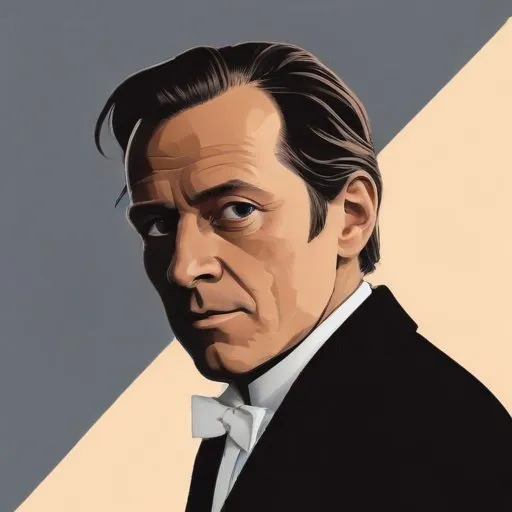
A German pianist, composer, and conductor who made significant contributions to the development of classical music, particularly in the Romantic era. He is remembered for his expressive and nuanced performances.
Friedrich Baumfelder, a German composer of classical music, conductor, and pianist, left an indelible mark on the world of music in the 19th century. With a repertoire of solos, symphonies, piano concertos, operas, and choral works, he was a force to be reckoned with, leaving behind a legacy that still resonates today.
Born on May 28, 1836, in Dresden, Friedrich was the third of seven children to Carl Friedrich Gotthelf Baumfelder, a renowned school reformer and pedagogue, and Friederike Ernestine. His early talent for music led him to the prestigious Leipzig Conservatory, where he studied under the tutelage of Ignaz Moscheles and Moritz Hauptmann, among others. A scholarship enabled him to hone his craft, which later earned him a coveted position as a cantor and music teacher at the Dreiknigskirche in Dresden.
Baumfelder's star continued to rise as he began to make a name for himself as a composer and conductor. In 1875, he became the director of the Robert Schumann Singakademie, a post he held for several decades. His fame soon extended beyond Germany's borders, with performances in England, France, and the United States. His compositions were published by various publishers, cementing his status as a leading figure in classical music.
Maestro Baumfelder's personal life was filled with love and music. He married Emma Skrimshire, with whom he had seven children, including Fritz, who followed in his footsteps as a composer. His family was a constant source of inspiration, and his children went on to excel in various fields, perpetuating the Baumfelder legacy.
Friedrich Baumfelder's influence on classical music is undeniable. He not only taught notable students like Georg Schumann but also inspired future generations of composers and musicians. A century after his birth, the Dresdner Gazette paid tribute to his remarkable life and achievements, solidifying his place in music history.
Although he may not be as widely recognized today, Maestro Baumfelder's accomplishments were celebrated during his lifetime. His performances were met with critical acclaim, and his compositions were published by prominent publishers.
Despite his significant contributions to classical music, Friedrich Baumfelder's works have largely fallen into obscurity. However, his legacy lives on through his family, students, and the music he created, waiting to be rediscovered by future generations.
Friedrich Baumfelder's life was a testament to his passion for music and dedication to his craft. As we delve into the world of classical music, his story serves as a reminder of the power of creativity and perseverance, inspiring us to continue exploring the rich tapestry of sound he left behind.
Born in 1811
A virtuosic pianist and composer who revolutionized classical music with his technically demanding and emotionally expressive works, blending Hungarian folk influences with Romantic-era drama.
Born in 1833
A renowned pianist and composer, he crafted complex, expressive works that blended traditional and innovative techniques, leaving an indelible mark on classical music.
Born in 1810
A renowned Romantic-era composer and influential music critic, known for his expressive and emotionally charged works, including symphonies, piano music, and art songs.
Born in 1819
A renowned 19th-century pianist and composer, she was one of the first females to achieve recognition in a male-dominated field, creating over 60 pieces of music. Her compositions showcased romanticism and lyricism.
Born in 1809
A renowned 19th-century musician who masterfully blended classical and romantic styles, creating iconic works like the "Wedding March" and "Elijah" oratorio. His compositions continue to inspire and influence generations of artists.
Born in 1813
A renowned composer of iconic operas like La Traviata and Aida, known for his masterful blending of drama and music. His works continue to captivate audiences worldwide.
Born in 1813
A revolutionary composer who transformed opera with his epic, mythological works, creating a new era of musical storytelling. His iconic operas, such as "Der Ring des Nibelungen," continue to captivate audiences worldwide.
Born in 1860
A Slovene-Austrian composer who expanded the art of songwriting by setting poetic lyrics to music, creating a new level of emotional intensity and depth. His innovative compositions continue to influence classical music today.
