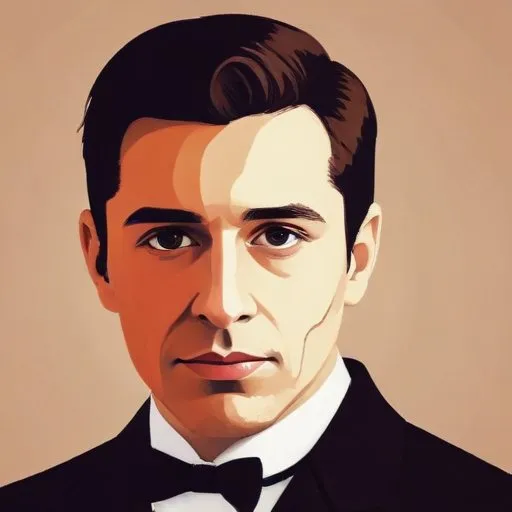
Ignaz Moscheles: The Virtuosic Piano Maestro
A Pioneering Career in Music
Ignaz Moscheles was a renowned Bohemian piano virtuoso and composer, celebrated for his captivating performances and innovative compositions. With a career spanning over five decades, Moscheles left an indelible mark on the world of classical music, earning him a reputation as one of the most prominent pianists of his era.
Early Life and Musical Beginnings
Born on May 23, 1794, in Prague, Bohemia, Moscheles was the son of Klara Popper Lieben and Joachim Moises Moscheles, a German-speaking Jewish merchant family. His father, an amateur guitarist, encouraged Moscheles' early interest in music, initially intending for his sister to become a musician. However, when she showed little enthusiasm, Moscheles took up piano lessons at the Prague Conservatory under the guidance of Bedřich Diviš Weber.
Rise to Prominence in Vienna
Following his father's untimely death, Moscheles settled in Vienna in 1808, where he studied counterpoint and theory with
Johann Georg Albrechtsberger and composition with
Antonio Salieri. It was during this period that he changed his first name from Isaac to Ignaz. Moscheles' exceptional talent and dedication soon established him as a leading virtuoso in Vienna, earning him recognition during the 1814-1815 Congress of Vienna.
Compositions and Virtuosic Works
Moscheles' most famous composition, the "Alexander Variations, Op. 32" for piano and orchestra, showcased his remarkable technical skill and creative flair. This virtuosic piece, written during the Congress of Vienna, became a staple of his performances throughout Europe. His other notable works include the "Piano Sonata in E-flat major, Op. 27" and "Fantaisie-Etude, Op. 33," demonstrating his mastery of both classical and romantic styles.
Friendships and Collaborations
Moscheles forged lasting friendships with prominent composers and musicians of his time, including
Giacomo Meyerbeer,
Johann Nepomuk Hummel, and
Felix Mendelssohn. His collaborations with Meyerbeer, in particular, resulted in highly acclaimed extemporized piano duets. Moscheles also had the privilege of meeting his idol,
Ludwig van Beethoven, who was impressed by the young musician's exceptional abilities.
Teaching and Legacy
In 1846, Moscheles joined Mendelssohn as a professor of piano at the Leipzig Conservatory, where he taught and mentored numerous students, including prominent pianists such as Charles Halle and
Edvard Grieg. Through his teachings and compositions, Moscheles played a significant role in shaping the development of classical music, leaving behind a rich legacy that continues to inspire generations of pianists and music enthusiasts.
Personal Milestones and Later Life
Moscheles married Charlotte Embden, a member of a wealthy German-Jewish family, in 1825, and the couple had two daughters. He passed away on March 10, 1870, in Leipzig, leaving behind a remarkable body of work and an enduring impact on the world of classical music.
FAQ
What was Ignaz Moscheles contribution to the world of music?
Ignaz Moscheles was a Czech pianist and composer who made significant contributions to the world of music. He was known for his virtuosic piano technique and composed many works for piano and orchestra.
What was Ignaz Moscheles relationship with Felix Mendelssohn?
Ignaz Moscheles was a close friend and collaborator of Felix Mendelssohn. The two composers often performed each others works and exchanged musical ideas.
What was Ignaz Moscheles teaching style?
Ignaz Moscheles was a renowned music teacher and taught many famous pianists, including Sigismond Thalberg and Alfred Jaëll. He was known for his emphasis on technique and musicality.
What was Ignaz Moscheles role in the development of Romantic music?
Ignaz Moscheles was a key figure in the development of Romantic music, particularly in the area of piano music. He helped to establish the piano as a major solo instrument.
What is Ignaz Moscheles legacy in music education?
Ignaz Moscheles legacy in music education is that of a dedicated teacher who helped to establish the piano as a major instrument. His teaching methods and compositions continue to influence music education today.