


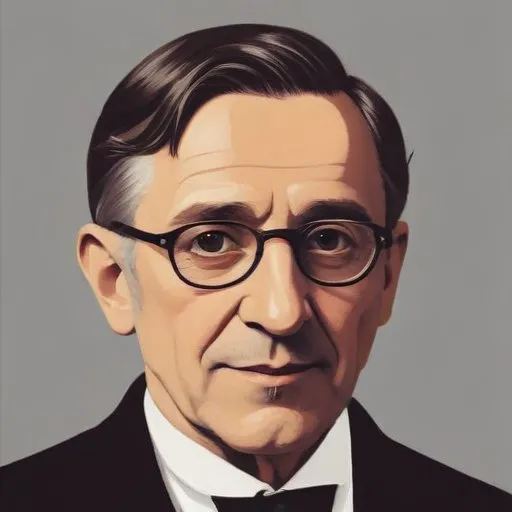
A pioneer of Fluxus, a 1960s avant-garde art movement, he merged music and visual arts, creating interactive, often humorous, and unconventional compositions. His work challenged traditional notions of art and music.
George Brecht, a visionary artist and composer, is renowned for his groundbreaking contributions to conceptual art, pushing the boundaries of creativity and viewer engagement. His innovative Event Scores, such as the iconic Drip Music (1962), revolutionized the art world by inviting active participation from the audience, thereby redefining the role of the viewer.
Born George Ellis MacDiarmid on August 27, 1926, in New York, Brecht's early life was marked by tragedy with the loss of his father, a professional flautist, to alcoholism when he was just 10 years old. This event led to his relocation to Atlantic City, New Jersey, with his mother. Following his military service, Brecht pursued a degree in chemistry from the Philadelphia College of Pharmacy and Science, which he completed in 1951.
Brecht's artistic journey took a significant turn when he became associated with Fluxus, an international group of avant-garde artists founded by George Maciunas. As a key member of the group, Brecht's work not only influenced but also shaped the direction of Fluxus. His Event Scores, which often featured ordinary objects and tasks, encouraged the audience to engage with the artwork on a deeper level, blurring the lines between art and everyday life.
Brecht's art philosophy was rooted in the idea that the mundane aspects of life should not go unnoticed. He believed that art should be a reflection of the human experience, and his Event Scores aimed to stimulate the viewer's awareness of their surroundings. By doing so, Brecht's work questioned the very notion of what constitutes art and its relationship with the viewer.
Brecht's pioneering work has had a profound impact on the development of conceptual art, influencing generations of artists. His emphasis on viewer participation and the use of everyday objects as art has inspired a wide range of artistic movements, from performance art to installation art.
Brecht's contributions to the art world have been recognized with numerous awards, including the prestigious Calandra Prize (1996) for his innovative work in conceptual art.
George Brecht's avant-garde spirit and pioneering work have left an indelible mark on the art world. His conceptual art has inspired a new wave of artists, curators, and thinkers, ensuring that his legacy continues to influence contemporary art practices.
Through his groundbreaking work, George Brecht has redefined the boundaries of art, challenging our perceptions of what it means to be creative and Participatory. As we continue to navigate the complexities of modern life, Brecht's innovative spirit serves as a beacon, inspiring us to engage with the world around us in new and profound ways.
84 Years Old
A visionary musician and producer who co-founded The Velvet Underground, pushing boundaries in rock music and influencing generations of artists. Known for experimental and avant-garde work .
98 Years Old
A pioneer of electronic and avant-garde music, this composer pushed boundaries with unconventional sounds and performances, influencing generations of musicians and artists.
Born in 1925
A renowned French musician who revolutionized classical music with his avant-garde compositions and innovative conducting style, pushing boundaries and redefining the genre.
Born in 1926
A pioneer of indeterminacy in music, creating subtle, atmospheric soundscapes that defy traditional composition, and teaching generations of musicians to think outside the box.
Born in 1679
Developed a philosophical system that combined elements of Leibniz and Descartes, and was a prominent figure in the German Enlightenment. He wrote extensively on metaphysics, ethics, and logic.
Born in 1919
Pioneering dancer and choreographer who revolutionized modern dance with innovative collaborations and chance procedures, creating a new language of movement. Known for pushing boundaries and collaborating with artists like John Cage and Andy Warhol.
Born in 1926
A pioneering pianist and composer who expanded the possibilities of avant-garde music through innovative performances and collaborations with notable artists like John Cage and Merce Cunningham.
99 Years Old
Pioneering composer of avant-garde and experimental music, known for introducing indeterminacy and improvisation into classical music, creating a new language of sound.
