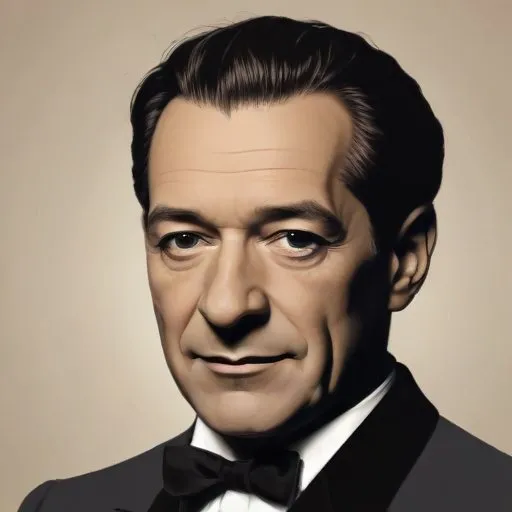
Sir George Henschel: The Trailblazing Baritone and Conductor
A Musical Legend of the Late 19th and Early 20th Centuries
Sir George Henschel was a German-born British baritone, pianist, conductor, composer, and academic teacher, renowned for his exceptional vocal talents and innovative approach to music. As the first conductor of both the Boston Symphony Orchestra and the Royal Scottish National Orchestra, Henschel left an indelible mark on the world of classical music.
Early Life and Training
Born on February 18, 1850, in Breslau, Poland (now Wrocław), Henschel was initially trained as a pianist, making his debut in Berlin in 1862. He later turned to singing, initially as a bass, but eventually developed a rich baritone voice.
A Close Friendship with Johannes Brahms
Henschel's meeting with
Johannes Brahms in 1874 at the Lower Rhenish Music Festival in Cologne marked the beginning of a lifelong friendship. Brahms, who held Henschel in high esteem, often sought his opinion on his compositions. Henschel's memoirs reveal that he arrived in Vienna mere hours too late to see Brahms before his passing in 1897.
Concert Career and Marriage
Henschel began his successful concert career in England in 1877, singing at the principal concerts. In 1881, he married the American soprano Lilian June Bailey, with whom he collaborated on numerous vocal recitals throughout the United States and Europe until 1884.
Musical Contributions and Legacy
Henschel's unique blend of vocal and pianistic talents made him an ideal concert singer and accompanist. He was known for his exceptional sense of interpretation and style, which earned him recognition as a distinguished concert singer and conductor. As the first conductor of the Boston Symphony Orchestra (1881-1884) and the Royal Scottish National Orchestra (1893-1895), Henschel played a pivotal role in shaping the musical landscape of the late 19th and early 20th centuries.
Teaching and Later Life
Henschel taught at the Institute of Musical Art in New York City and continued to perform and conduct until his later years. He passed away on September 10, 1934, leaving behind a legacy that continues to inspire generations of musicians.
Awards and Honors
- Knighted in 1914 for his services to music
- Honorary Doctor of Music from the University of Cambridge (1912)
Inspirational Quotes
- "Music is the divine way to tell beautiful, poetic things to the heart." - George Henschel
Trivia and Fun Facts
- Henschel made records as late as 1905, showcasing his remarkable vocal preservation
- He was known for his unique ability to sing and play the piano simultaneously
Historical Context and Legacy
Henschel's contributions to classical music span multiple genres and roles, solidifying his position as a trailblazer in the world of music. His influence can be seen in the many musicians and conductors who followed in his footsteps, and his legacy continues to inspire and educate generations of music lovers.
FAQ
What was George Henschels career as a singer and conductor?
George Henschel was a renowned singer and conductor, performing as a baritone in major opera houses and concert halls, and serving as the conductor of the Boston Symphony Orchestra, where he championed the music of German composers such as Brahms and Richard Strauss.
How did George Henschels performances influence the development of German opera?
George Henschels performances helped to popularize German opera in the United States, introducing American audiences to the works of Richard Wagner, Richard Strauss, and other prominent German composers, and establishing himself as a leading exponent of the German operatic tradition.
What was George Henschels relationship with prominent composers?
George Henschel was a close friend and collaborator of many prominent composers, including Johannes Brahms, Richard Strauss, and Gustav Mahler, and premiered several of their works, including Brahms Requiem and Strauss Also sprach Zarathustra.
What were George Henschels contributions to music education?
George Henschel made significant contributions to music education, teaching at the Boston Conservatory and the New England Conservatory, and promoting the importance of music education and appreciation through his performances and writings.
What is George Henschels legacy in the world of classical music?
George Henschels legacy in the world of classical music is as a distinguished singer, conductor, and advocate for German opera and classical music, who helped to shape the development of American musical culture and left a lasting impact on the world of classical music.