


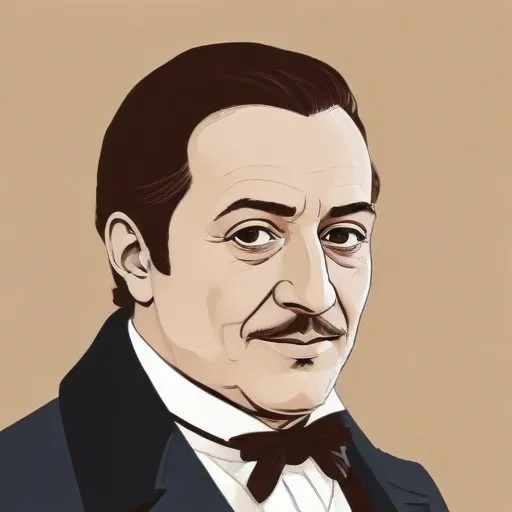
A French composer who wrote sacred music, particularly oratorios and motets, in a style that blended Baroque and Classical elements. Known for his contributions to the development of French sacred music.
Georges Caussade, a French composer, music theorist, and educator, left an indelible mark on the world of music. Known for his pioneering work in harmony and counterpoint, Caussade's teachings inspired a generation of renowned composers, shaping the landscape of classical music in the early 20th century.
Born on November 20, 1873, in Port Louis, Mauritius, Caussade's love for music was nurtured from a young age. He began his musical journey at the Conservatoire de Paris, where he would later become a faculty member in 1905, teaching counterpoint. This marked the beginning of his illustrious career, which would span over three decades.
In 1931, Caussade published his seminal work, Technique de l'harmonie, a comprehensive book on harmony that would become a benchmark for music educators. This treatise demonstrated his deep understanding of musical structure and his ability to convey complex concepts in a clear, accessible manner. Caussade's expertise in harmony earned him a reputation as a master of his craft, attracting students from far and wide.
Caussade's influence extended beyond the realm of music theory, as his students went on to become some of the most celebrated figures in classical music.
As a composer, Caussade's oeuvre includes two notable operas: Selgar et Moina and Légende de Saint George. These works showcased his mastery of harmony and counterpoint, cementing his position as a leading figure in French classical music. Caussade's legacy extends far beyond his compositions, as his teachings and writings continue to inspire generations of musicians and music scholars.
Georges Caussade's life was a testament to his passion for music and education. He devoted himself to nurturing the talents of his students, leaving an indelible mark on the world of classical music. His contributions to harmony and counterpoint continue to shape the course of music education, ensuring his legacy endures for generations to come.
Caussade passed away on August 5, 1936, at the age of 62, in Chanteloup-les-Vignes, but his music and teachings remain an integral part of classical music's rich heritage.
Born in 1862
A renowned French pianist and composer who revolutionized classical music with his unique, dreamy, and unconventional style, creating iconic works like "Clair de Lune" and "Prelude to the Afternoon of a Faun".
Born in 1875
A renowned French musician who blended classical and modern styles, creating iconic works like "Bolero" that continue to mesmerize audiences with their beauty and complexity.
Born in 1835
A French Romantic-era mastermind who composed iconic works like "The Carnival of the Animals" and "Danse Macabre", leaving an indelible mark on classical music.
Born in 1822
A Belgian organist and composer who created iconic works that blended Romanticism and Impressionism, leaving a lasting impact on classical music.
Born in 1845
A renowned French pianist, composer, and educator, he is most known for his romantic and impressionistic compositions, particularly his Requiem and nocturnes.
Born in 1866
A pioneering composer of minimalist and avant-garde music, known for his unconventional and humorous approach to classical music, creating a new kind of simplicity and clarity. His music often featured repetitive patterns and witty titles.
Born in 1899
A renowned French pianist and composer, celebrated for his eclectic and innovative works that blend jazz, classical, and sacred music, leaving a lasting impact on modern classical music.
Born in 1892
A French composer and educator who blended jazz and classical music to create a unique sound, and is best known for his ballet scores and chamber music compositions.
