


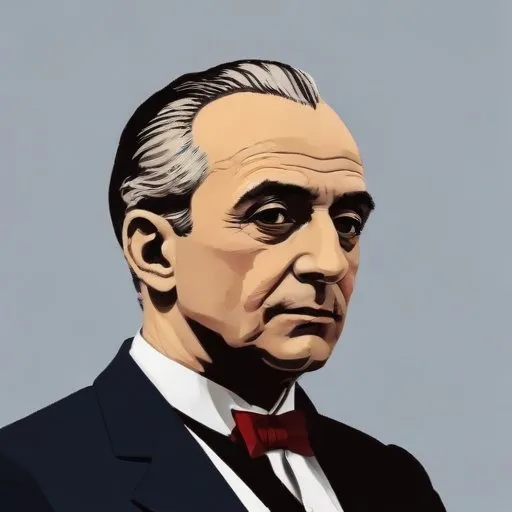
A French playwright and novelist who explored the human condition through his works, often focusing on themes of love, morality, and social class.
Georges Lecomte (1867-1958) was a French novelist, playwright, and scholar, renowned for his significant contributions to literature, history, and art. Throughout his illustrious career, Lecomte penned numerous novels, plays, and essays that showcased his mastery of language, intellectual curiosity, and boundless creativity.
Born on July 9, 1867, in Mâcon, Saône-et-Loire, Lecomte was destined for greatness. His early life and education laid the foundation for his later success, as he developed a deep passion for literature, history, and the arts.
Lecomte's literary career was marked by an astonishing range of works, spanning multiple genres and themes. His plays, such as La Meule (1891) and Mirages (1893), showcased his dramatic flair and psychological insight. His novels, including Les Valets (1898), La Suzeraine (1898), and Le Veau dor (1903), demonstrated his ability to craft compelling narratives and memorable characters.
In addition to his literary endeavors, Lecomte was a respected art critic and historian. His art historical studies, such as L'Art impressioniste d'après la collection privée de M. Durand-Ruel (1892), demonstrated his expertise in the field. He was also a talented playwright and director, serving as the director of the École Estienne.
Lecomte's contributions to French literature and culture were recognized with numerous awards and honors. He was elected to the Académie française in 1924 and became its perpetual secretary in 1946. Throughout his career, he received various accolades for his literary and artistic achievements.
Georges Lecomte's impact on French literature and culture is still felt today. His works continue to be studied, admired, and enjoyed by scholars and readers alike. His legacy serves as a testament to the power of literature, art, and history to enrich our understanding of the human experience.
Lecomte's personal life was marked by a deep commitment to his craft and a passion for learning. He was known for his wit, charm, and generosity, earning him the respect and admiration of his contemporaries. His life was a testament to the idea that art, literature, and history are intertwined, and that each informs and enriches the others.
Lecomte's contributions to French literature and culture have had a lasting impact on modern society. His works continue to inspire new generations of writers, artists, and scholars. His legacy serves as a reminder of the importance of intellectual curiosity, creativity, and innovation in shaping our understanding of the world.
Georges Lecomte's remarkable life and career serve as a testament to the power of art, literature, and history to transform and enrich our understanding of the human experience. His contributions continue to inspire and educate, ensuring his place as one of the most important French writers of the 20th century.
Born in 1889
A renowned French creative force, celebrated for his innovative and surreal works that blurred the lines between literature, art, and cinema, leaving an indelible mark on 20th-century culture.
Born in 1910
A renowned French playwright and screenwriter, known for his poignant and thought-provoking works that often explored the human condition, morality, and the absurdity of life.
Born in 1869
A French literary giant, renowned for his novels and essays that explored the human condition, morality, and the search for authenticity. His works often blurred the lines between fiction and autobiography.
Born in 1885
A French literary giant, celebrated for his novels and plays that probed the human condition, morality, and the complexities of faith. His works are known for their psychological depth and lyrical prose.
Born in 1905
Existentialist philosopher and playwright who argued that humans have complete freedom to choose their actions and create their own meaning in life, influencing modern thought on morality and individual responsibility.
Born in 1913
A French novelist, philosopher, and journalist who wrote influential works like "The Stranger" and "The Plague", exploring absurdism and the human condition.
Born in 1906
A pioneering absurdist writer who crafted avant-garde novels, poems, and plays that probed the human condition, often with dark humor and existential themes. His works are renowned for their complexity and influence on modern literature.
